Learn the big lifts, add weight every session. The fastest start there is.
A beginner strength program keeps it brutally simple: a handful of barbell lifts, low reps, and a little more weight every single session. Because you are new, your body adapts fast enough to add load workout to workout, which is the quickest progress you will ever make.
Ready-made Beginner Strength plans. Tap one for the full plan and every workout, then run it free in the app.
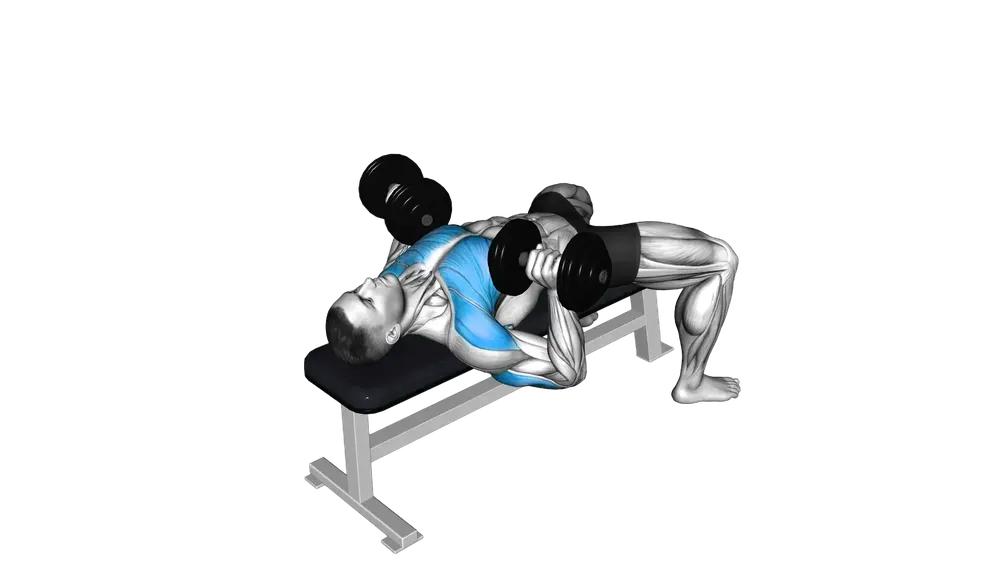
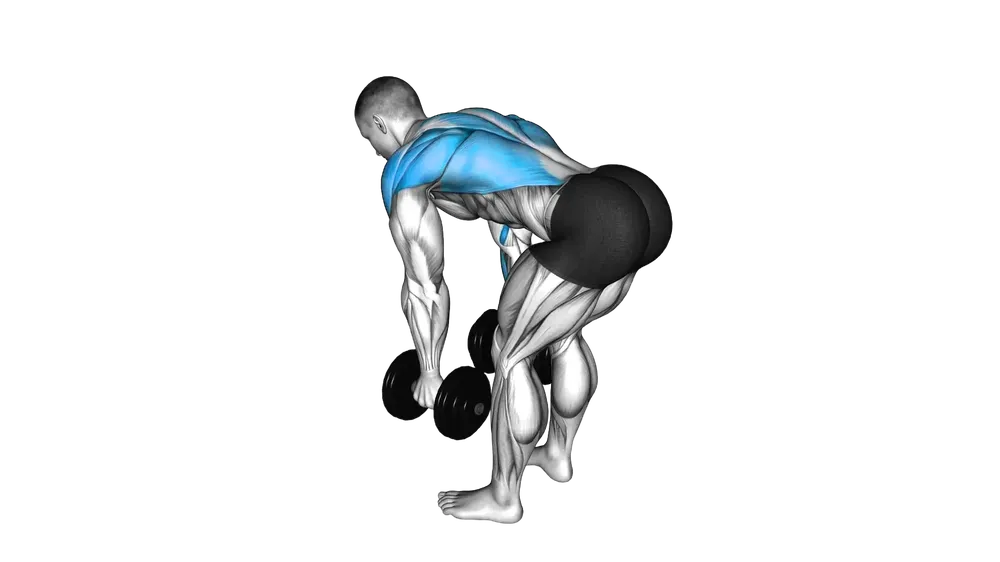

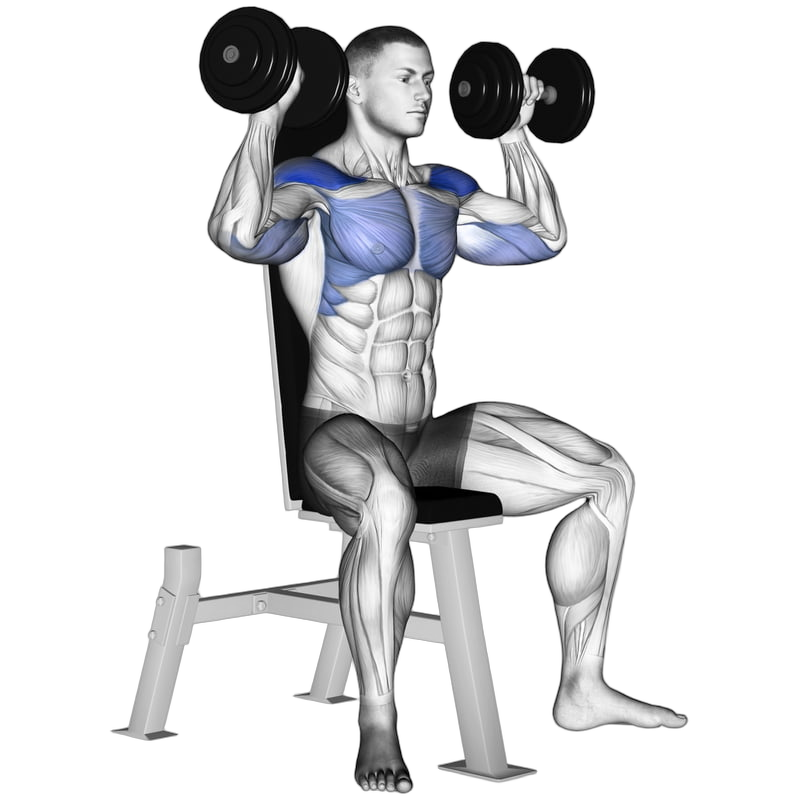
Dumbbells · 3 days · Beginner
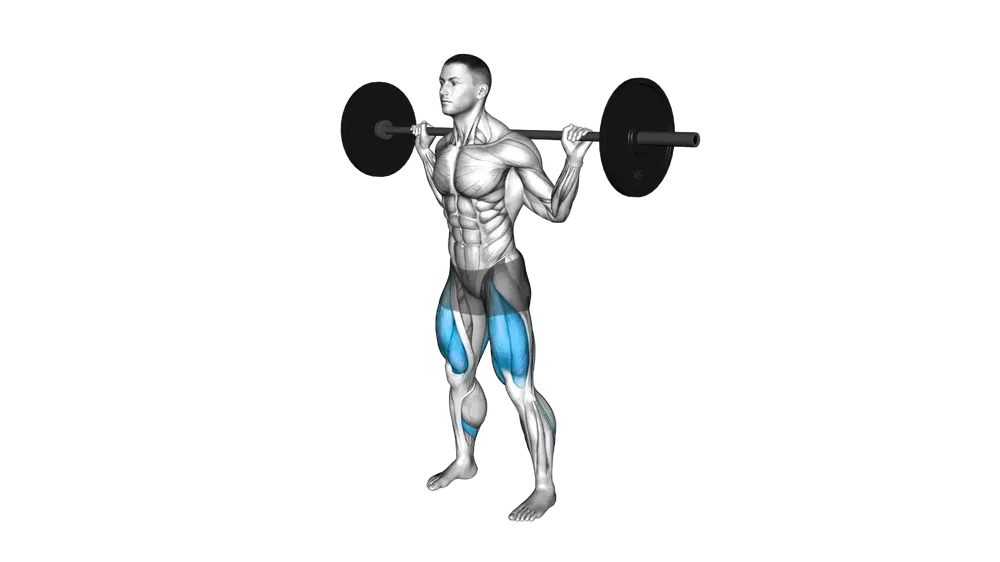
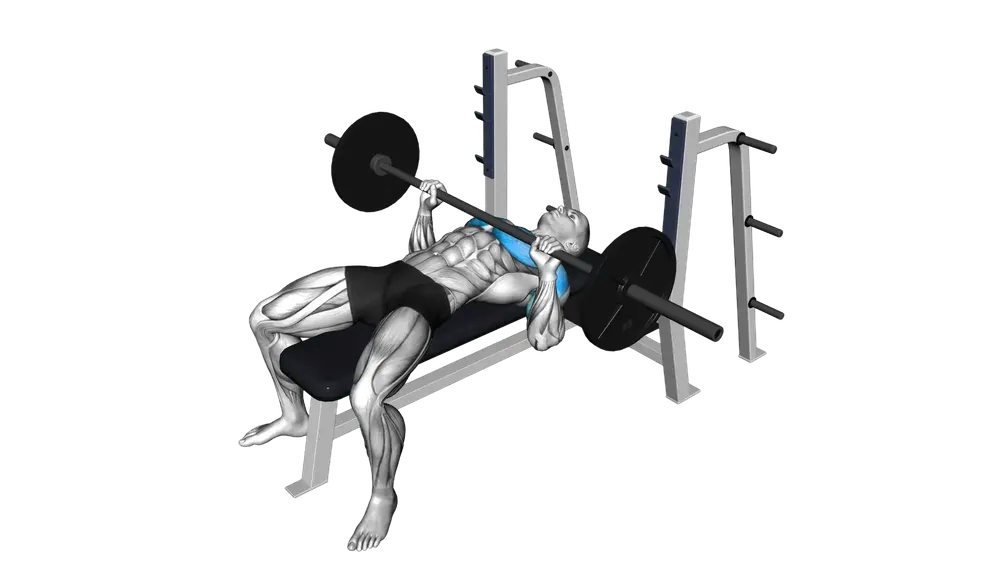
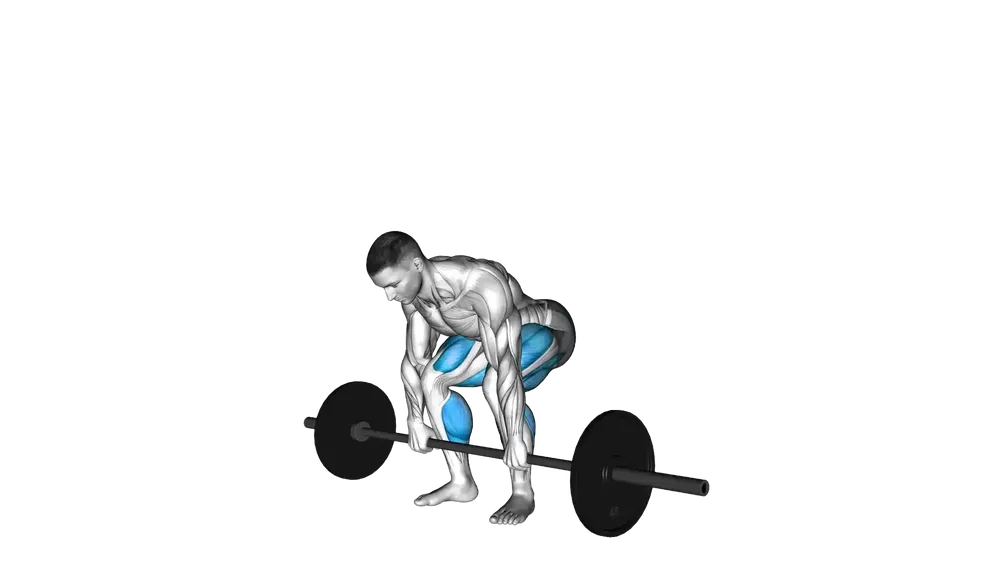
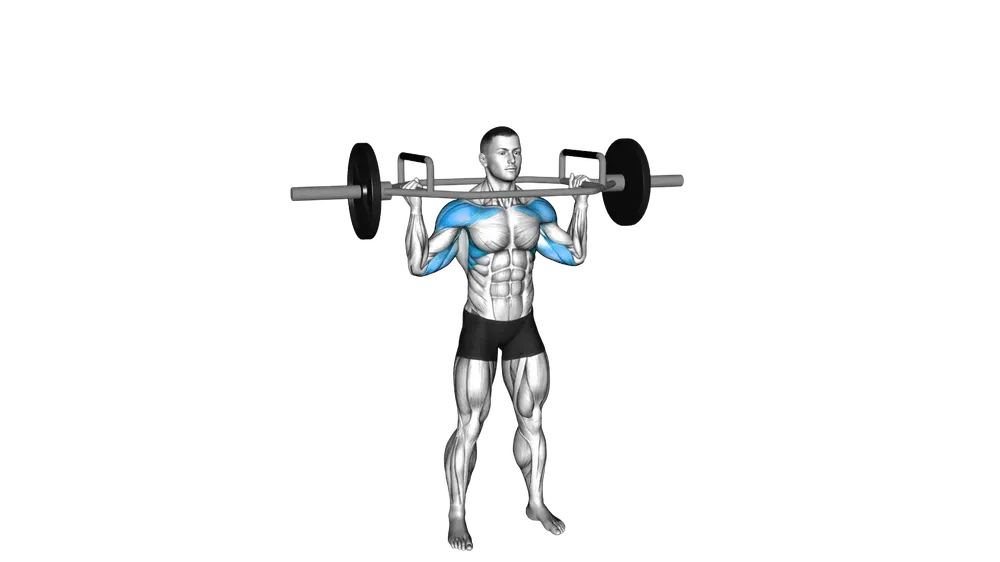
Full gym · 3 days · Beginner
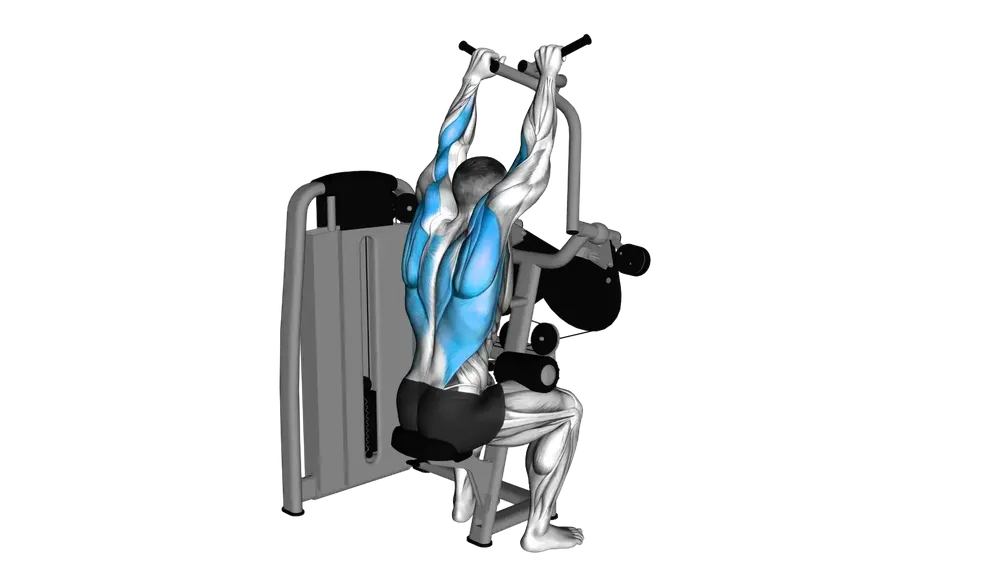
Full gym · 3 days · Beginner
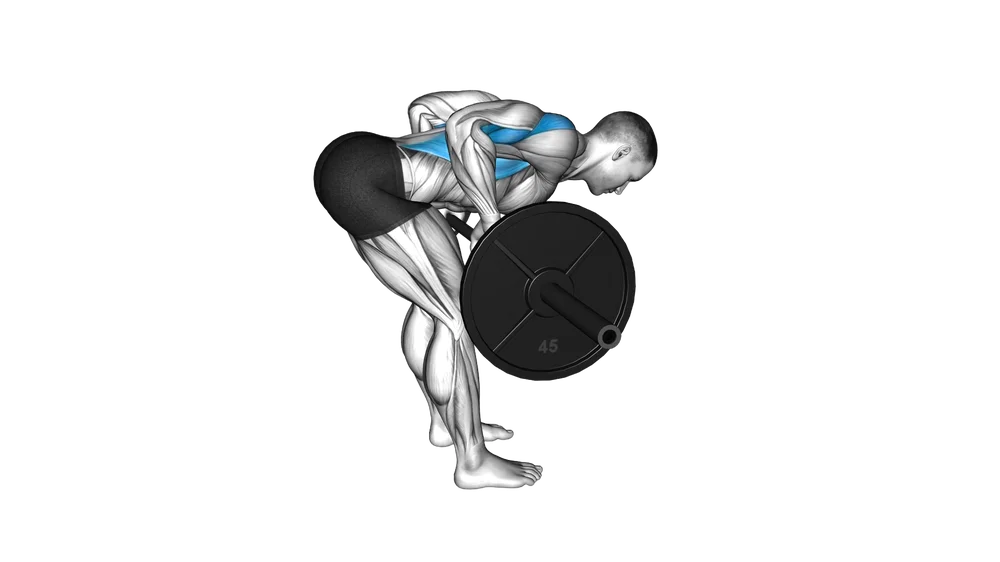
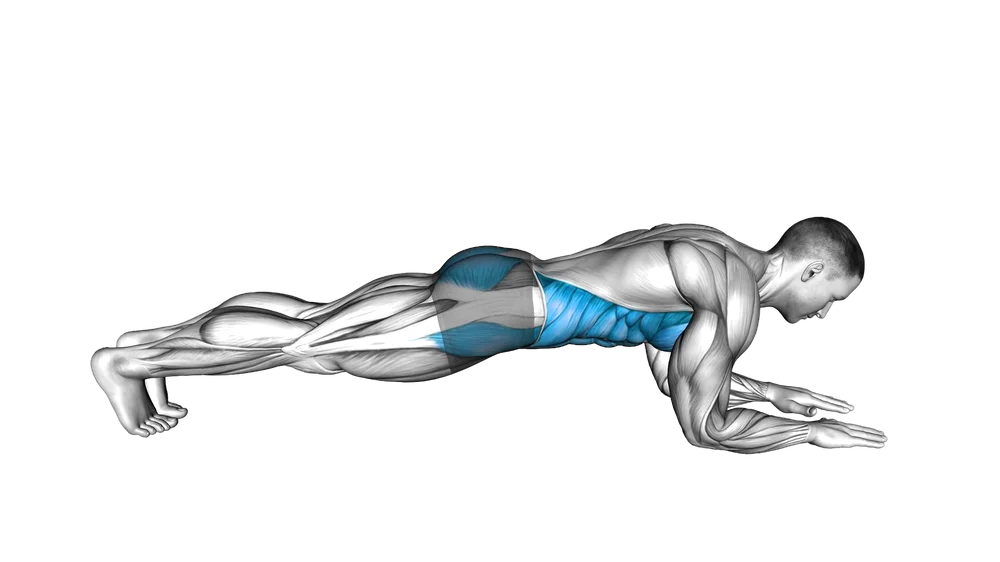
Full gym · 3 days · Beginner
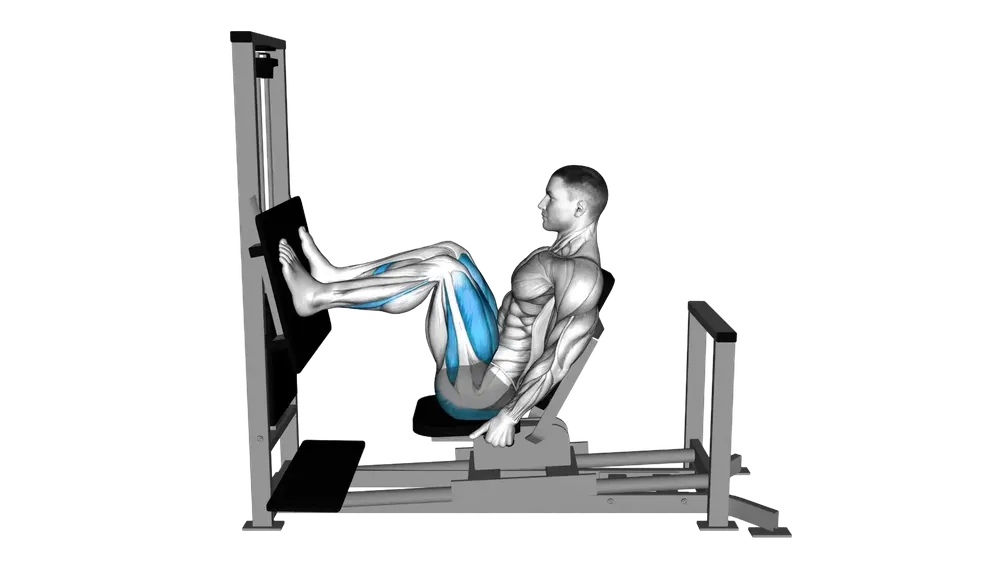
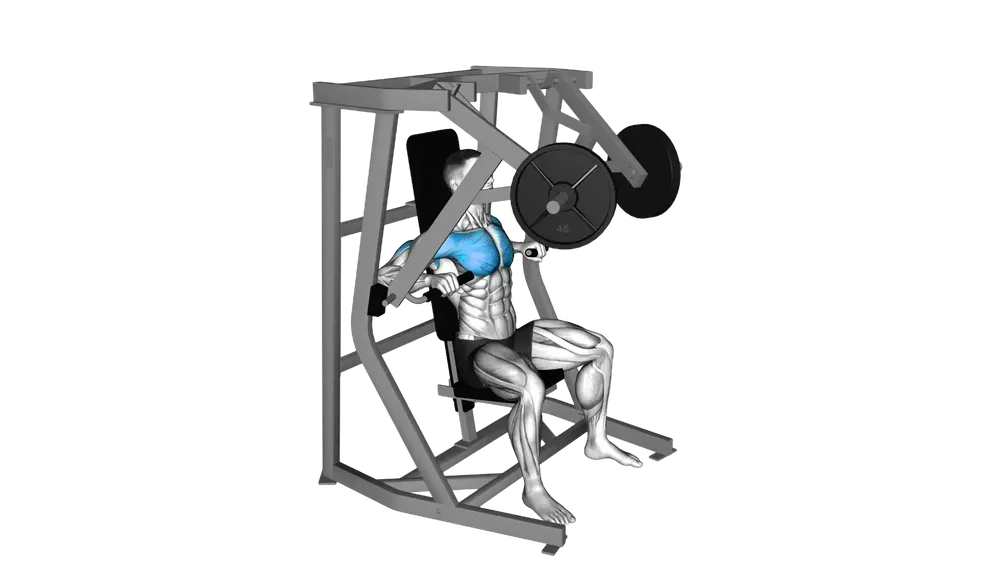
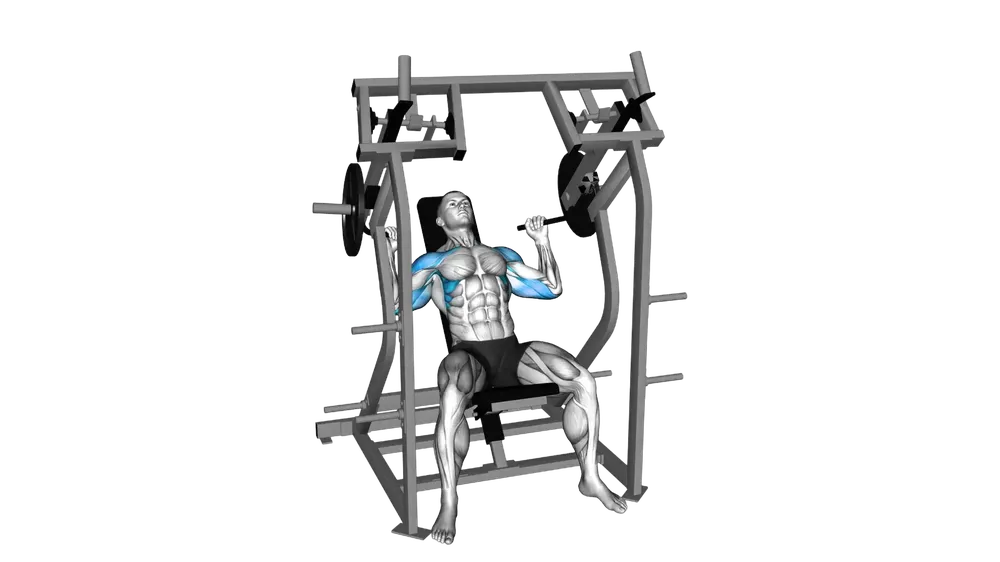
Full gym · 3 days · Beginner
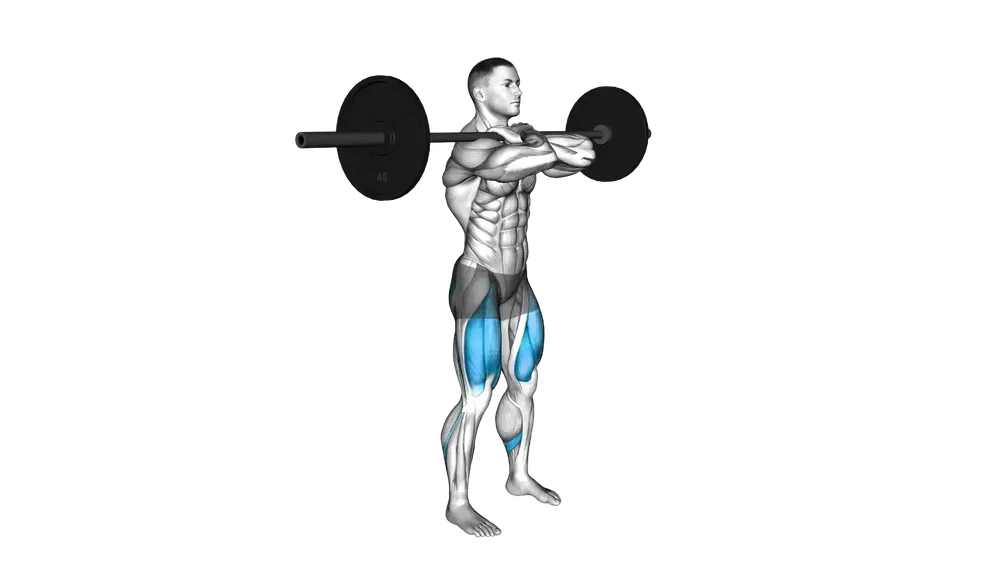
Full gym · 3 days · Intermediate
You rotate two simple full-body sessions built on the squat, press, bench, row and deadlift, done for a few heavy sets of five.
The whole method is linear progression: add a small amount of weight every session while you can. No fancy periodisation, just add, recover, add again.
Add the smallest plate jump every session on each lift for as long as the reps stay clean. When a lift stalls two or three sessions, reset it 10 percent and climb again.
When a lift stalls repeatedly, drop it about 10 percent and build back over a week or two. That reset is the deload beginners actually need.
Novices can add load almost every session because early strength gains are largely neural, your nervous system learns the lift fast. Linear progression simply rides that window with heavy compound work and progressive overload until it runs out, at which point you graduate to a more advanced split.
Yes, a simple barbell linear-progression program is one of the best possible starts for building strength and confidence under the bar.
Often several months of session-to-session progress before you need a more advanced program.
The classic version does. If you only have dumbbells or bodyweight, the builder returns a beginner program suited to that instead.
Three, on non-consecutive days, is the standard.
When linear progression stalls even after resets, step up to PPL or upper lower.