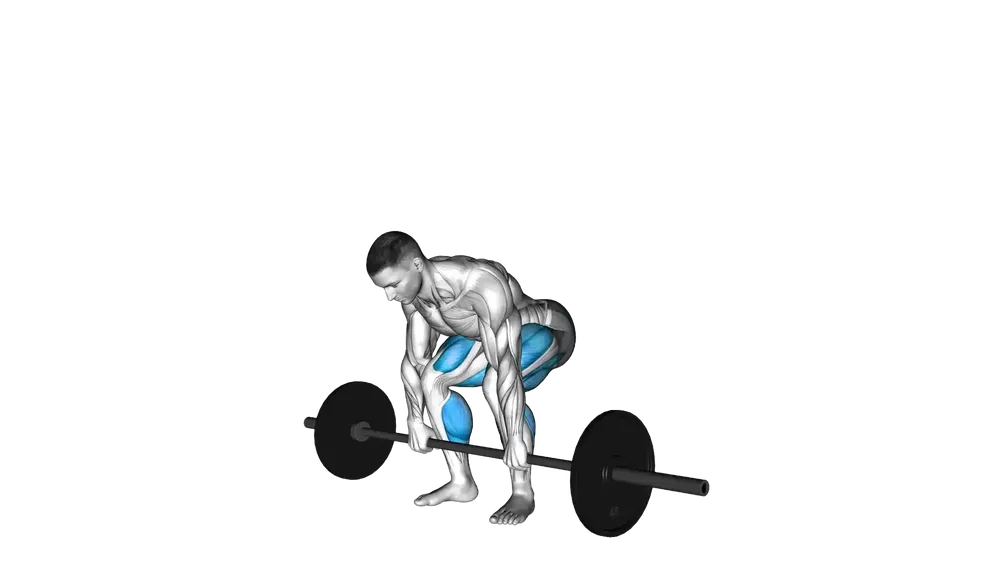
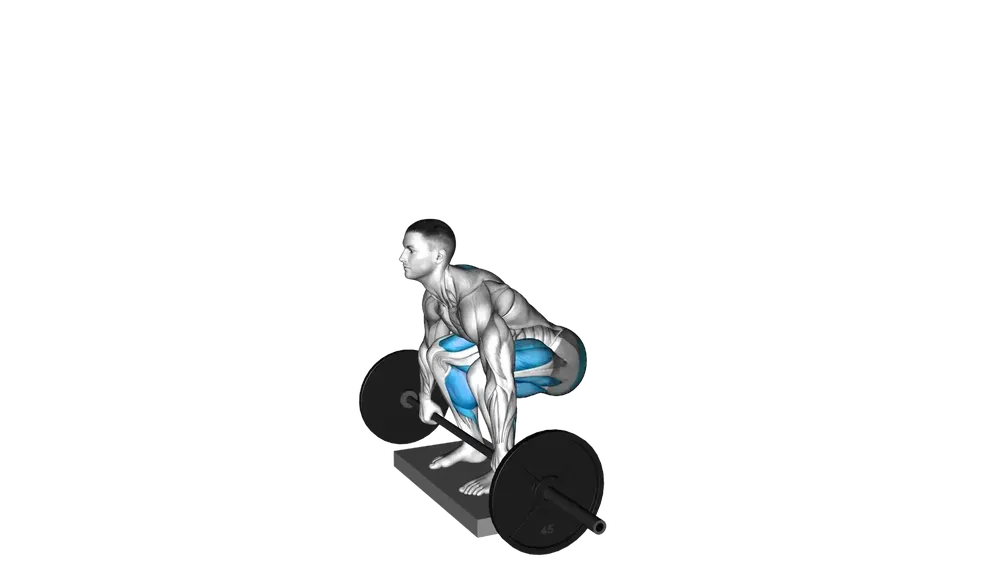
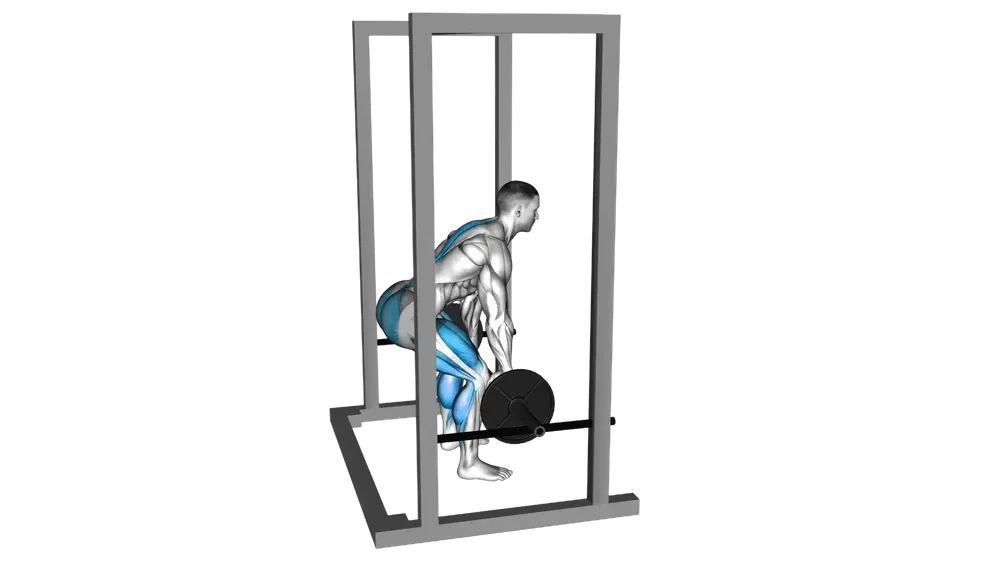
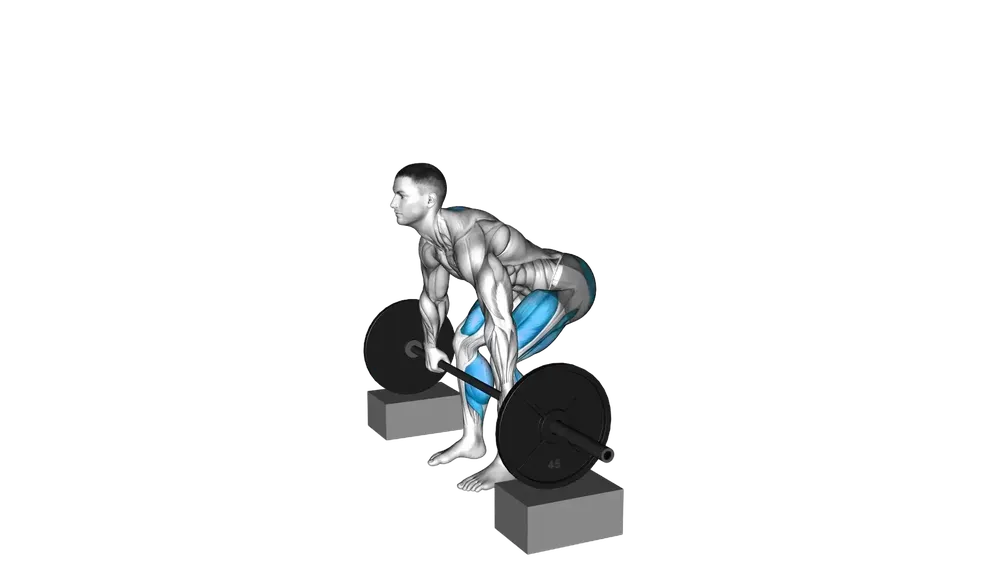
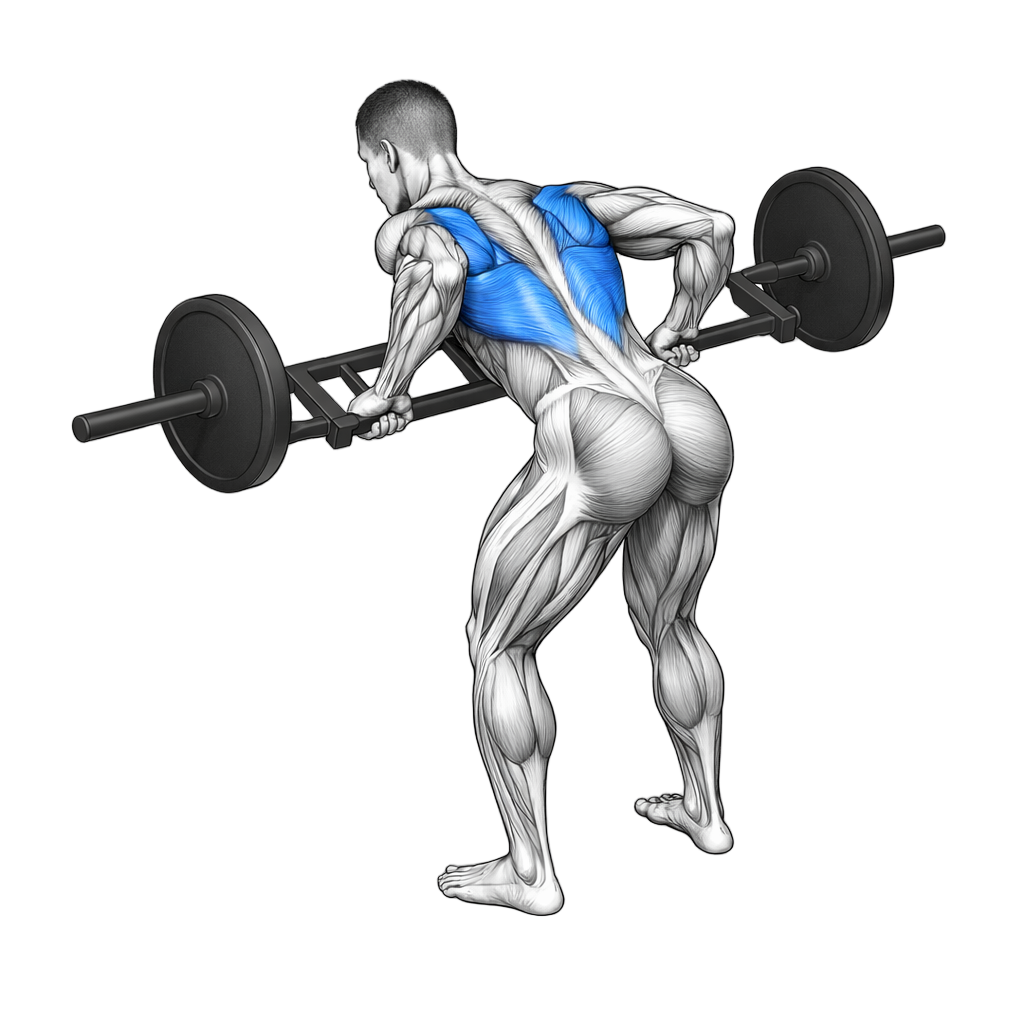
Underhand grip on the barbell hammers your lats and biceps.
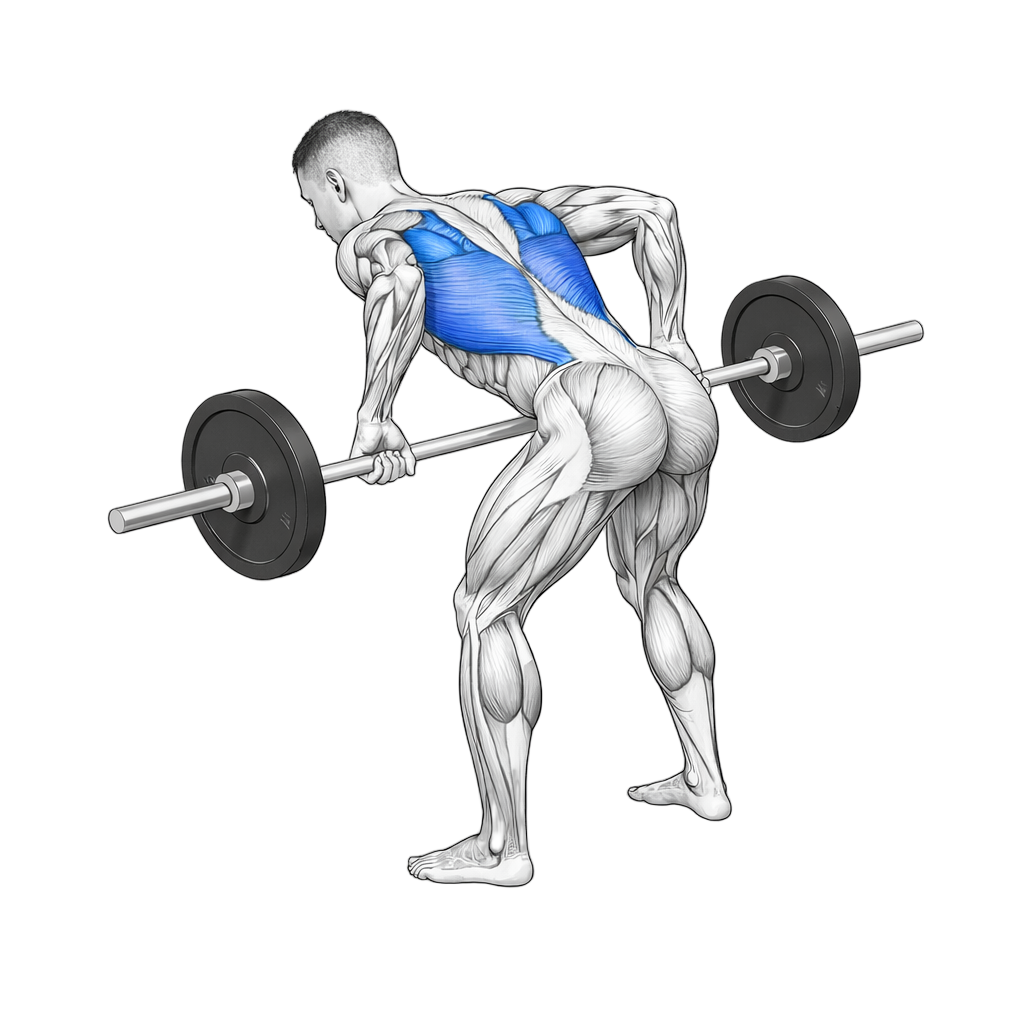
Keep your torso angle fixed, the underhand grip pulls the bar lower so aim for your belly.
The underhand grip tucks your elbows tight to your sides, which steers the pull straight into the lats and lets the biceps assist from their strongest position. Because the bar travels to your lower abs rather than your ribs, the lats work through a longer, cleaner line, and most lifters find they can row more weight this way. It earns its place as the heavy lat-builder of the rowing family.
Grip flips everything. Underhand tucks the elbows and biases the lats with big biceps assistance, overhand flares the elbows more and spreads the work across the upper back. Neither is superior, they build different parts of the same engine.
Lower than you think. The tucked elbows naturally pull the bar toward your belt line, so aim there rather than dragging it up to your chest. If it lands high, your elbows are flaring and you have lost the point of the grip.
Essentially, yes. The Yates row is this movement done with a more upright torso, which shortens the range and lets you go heavier. The more you hinge over, the more stretch and strict lat work you get.