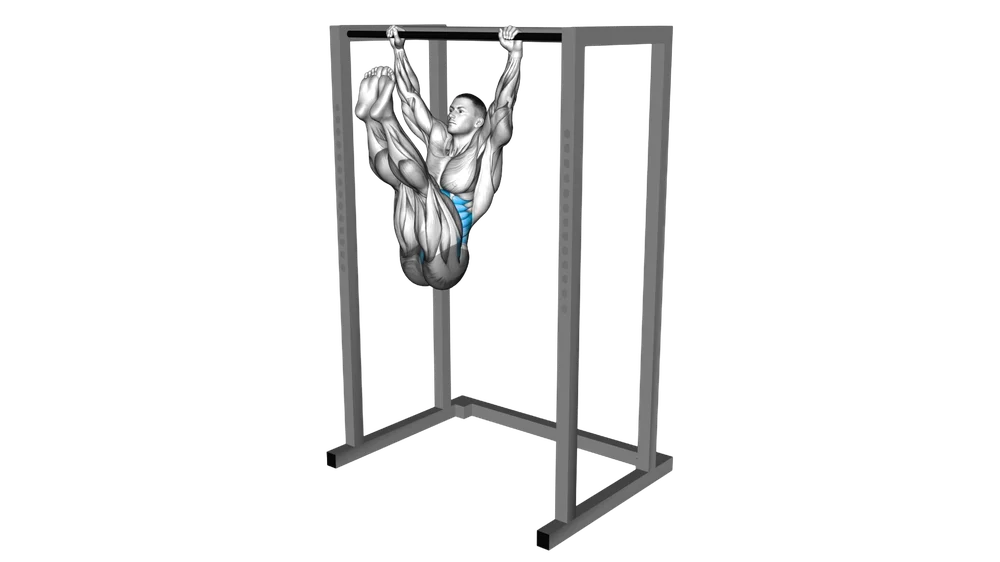
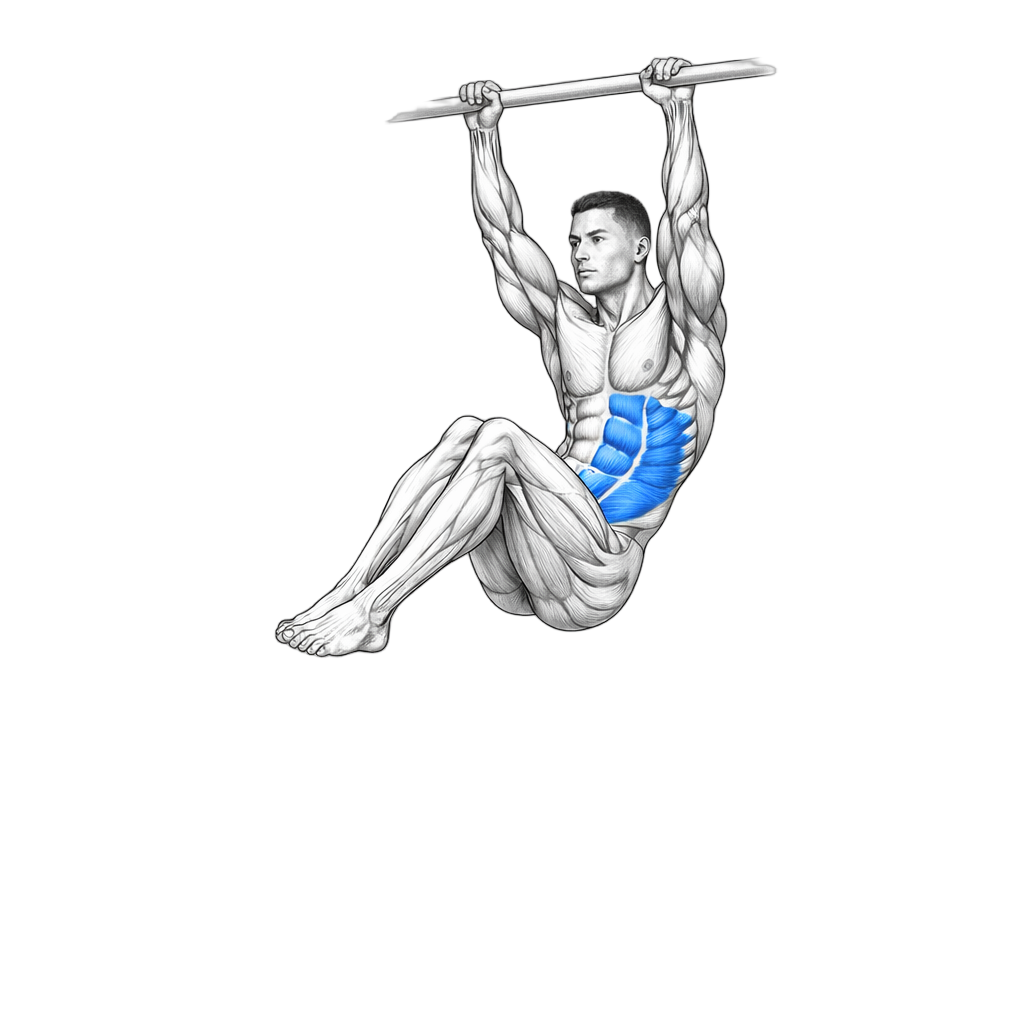
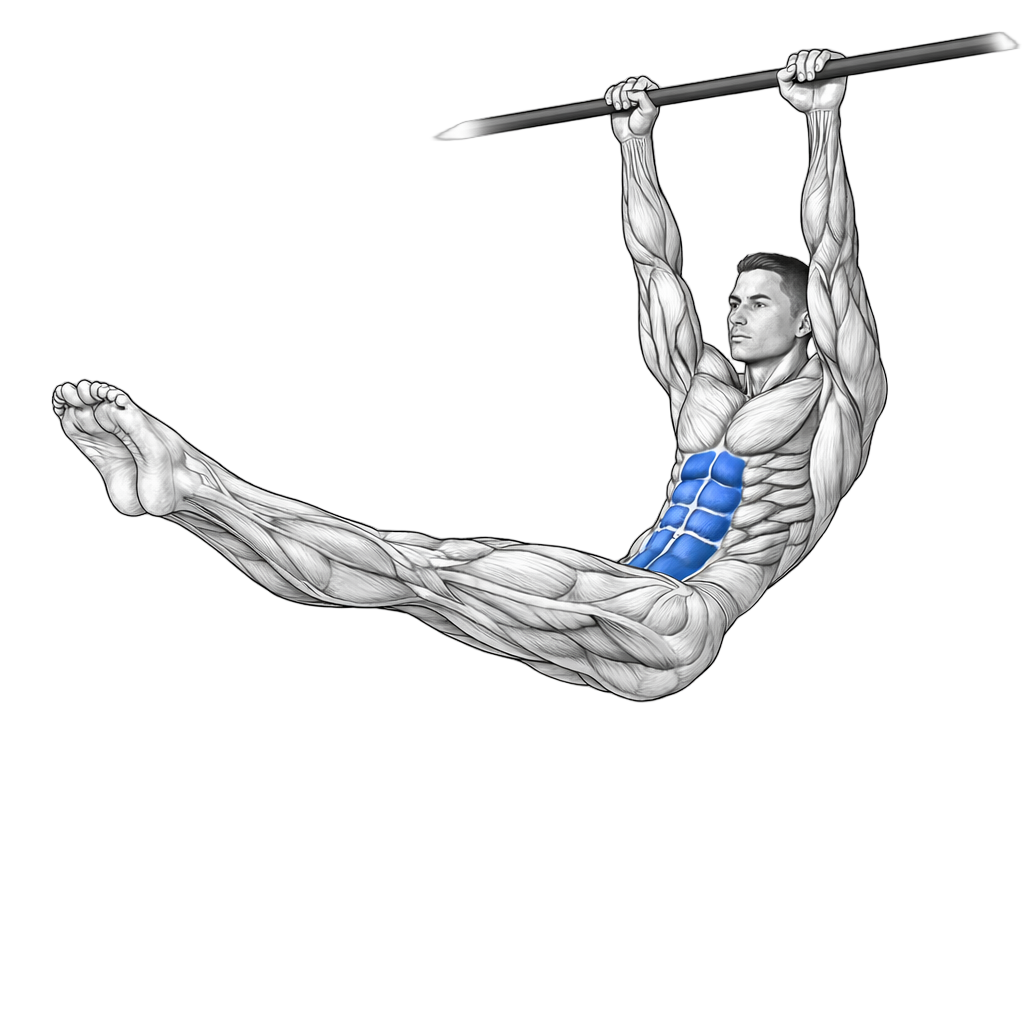
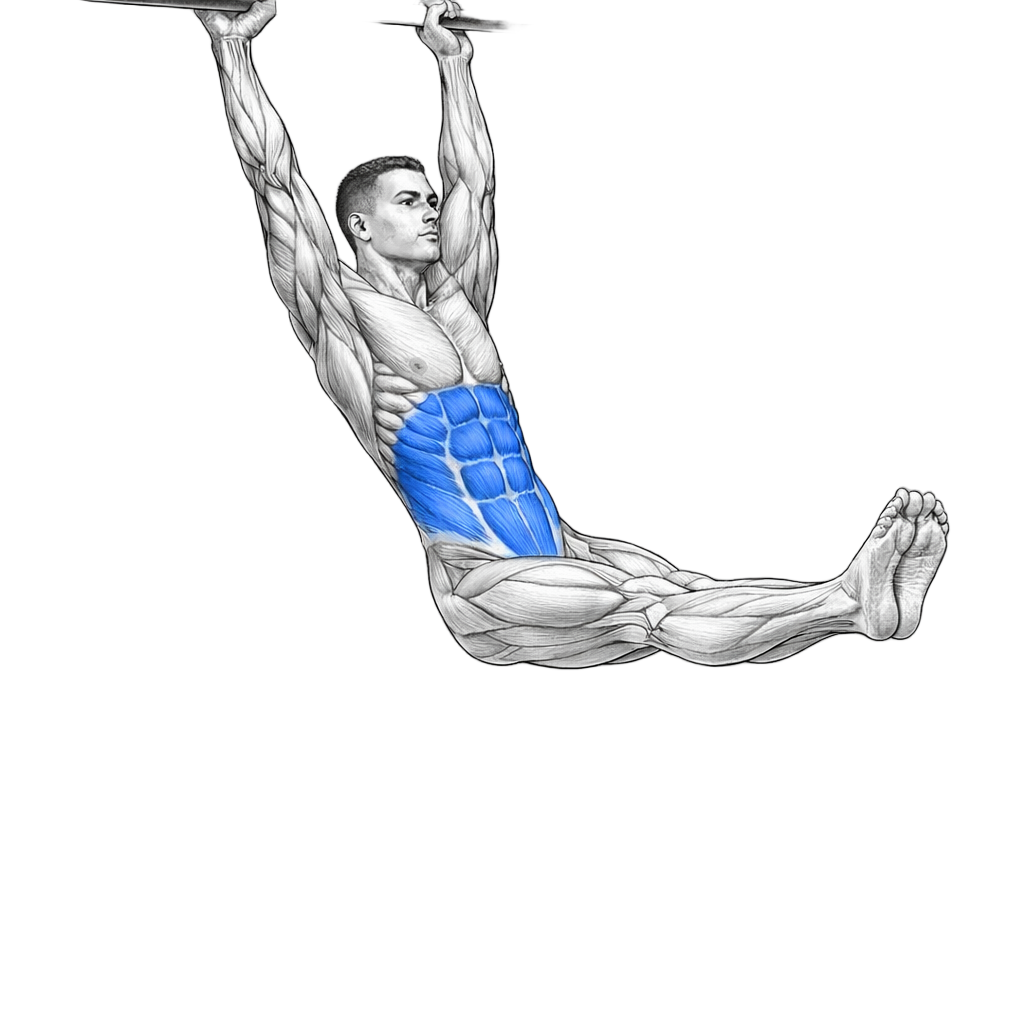
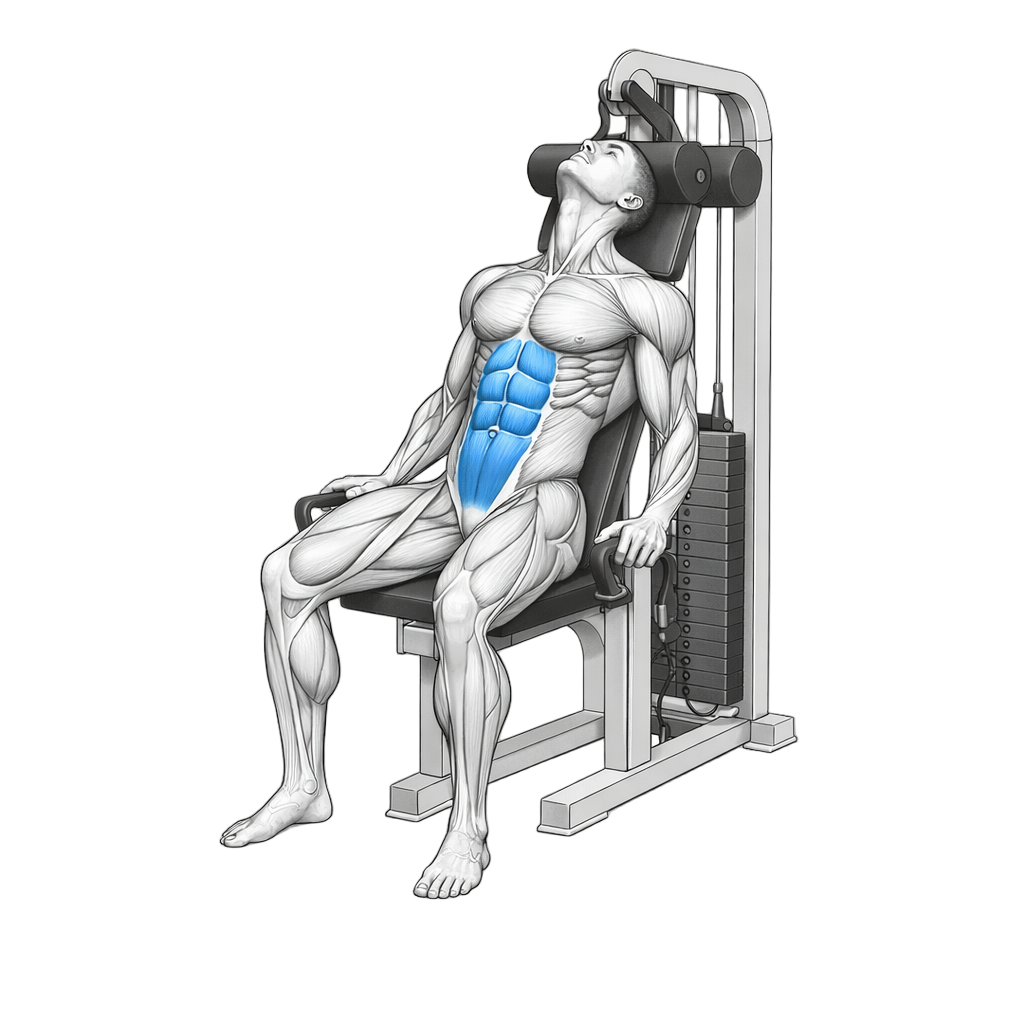
Hang and lift, no swinging allowed.
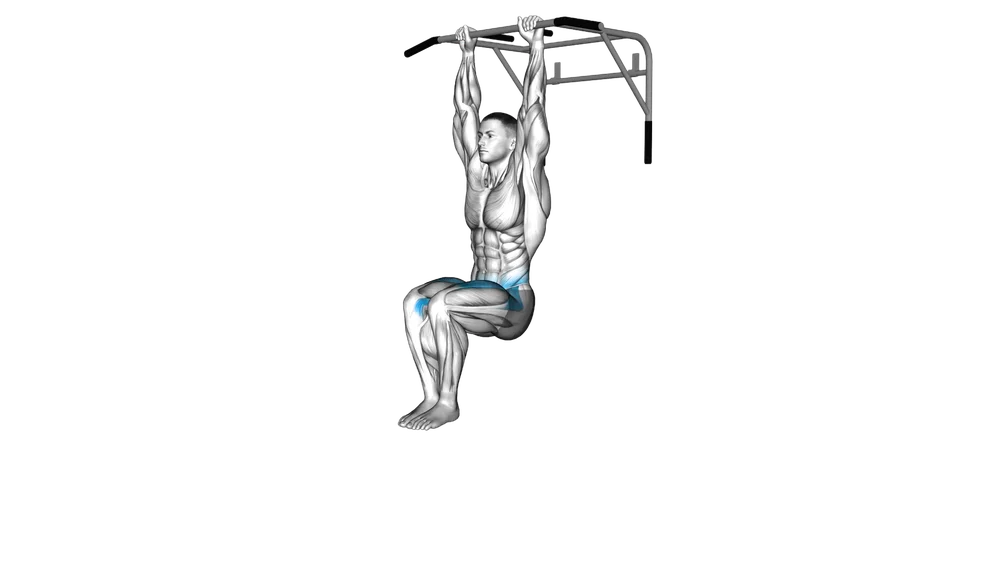
Curl your pelvis up, don't just bend the knees. Control the lower so you don't swing.
Hanging from a bar removes the floor as an anchor, so your core has to flex the spine and curl the pelvis against gravity with zero help. The magic is in the pelvic tuck at the top, where the lower abs do the work that regular crunches never quite reach, and in the slow lower, where the core resists the swing trying to take over. It earns its place as the honest ab builder that scales all the way up to toes-to-bar.
Lower slowly instead of dropping your legs, and squeeze the bar hard with your lats slightly engaged. Momentum comes from fast careless negatives. If you still swing, pause for a beat at the dead hang between reps.
Same movement, longer lever. Straight legs massively increase the demand on your core, so knee raises are the entry point. Own 12 to 15 strict knee raises with a pelvic tuck before you start straightening the legs.
Because you are only lifting the knees, not curling the pelvis. The abs fire when your pelvis rolls up toward your ribs at the top. Think about tucking your tailbone under and rounding, not just bending your hips.