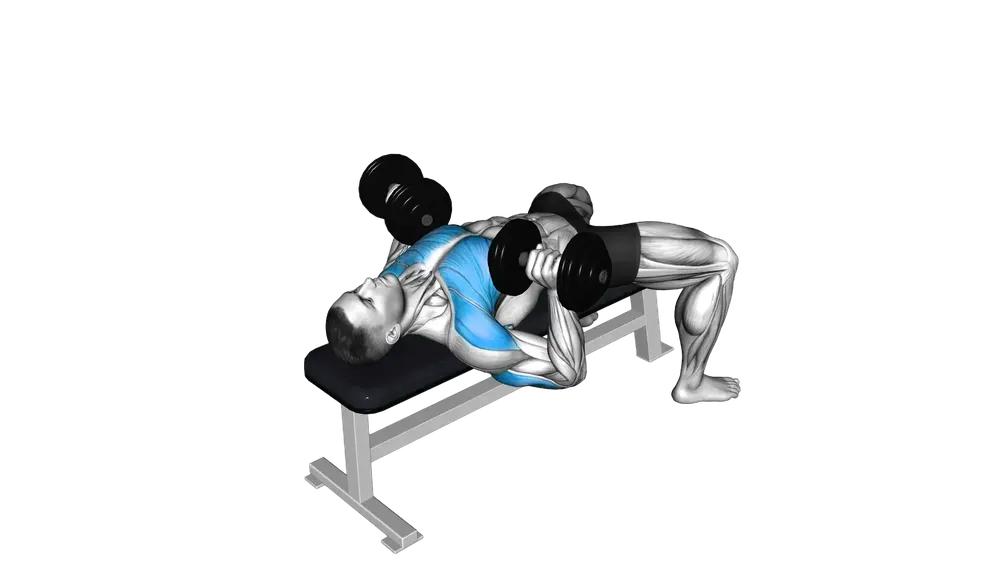
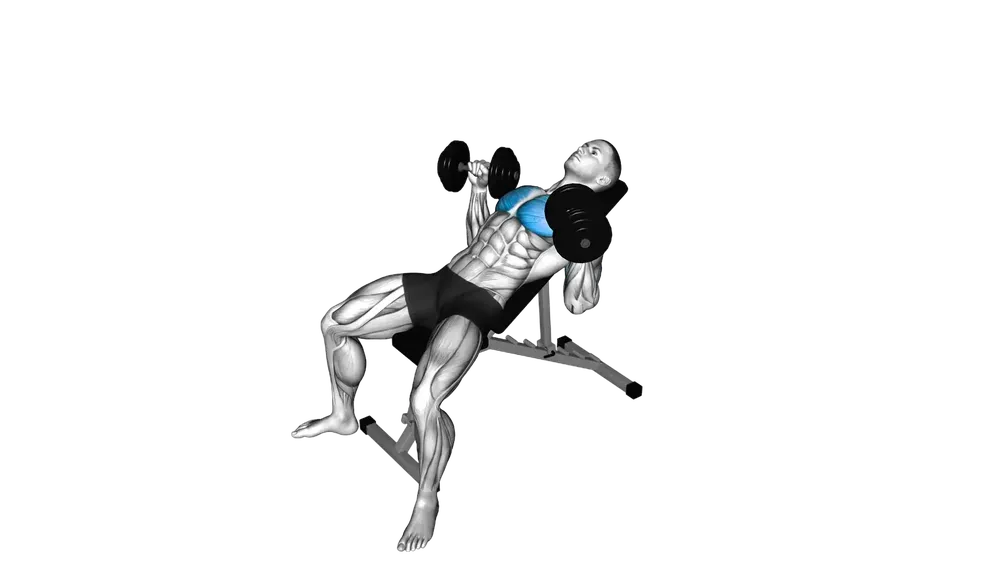
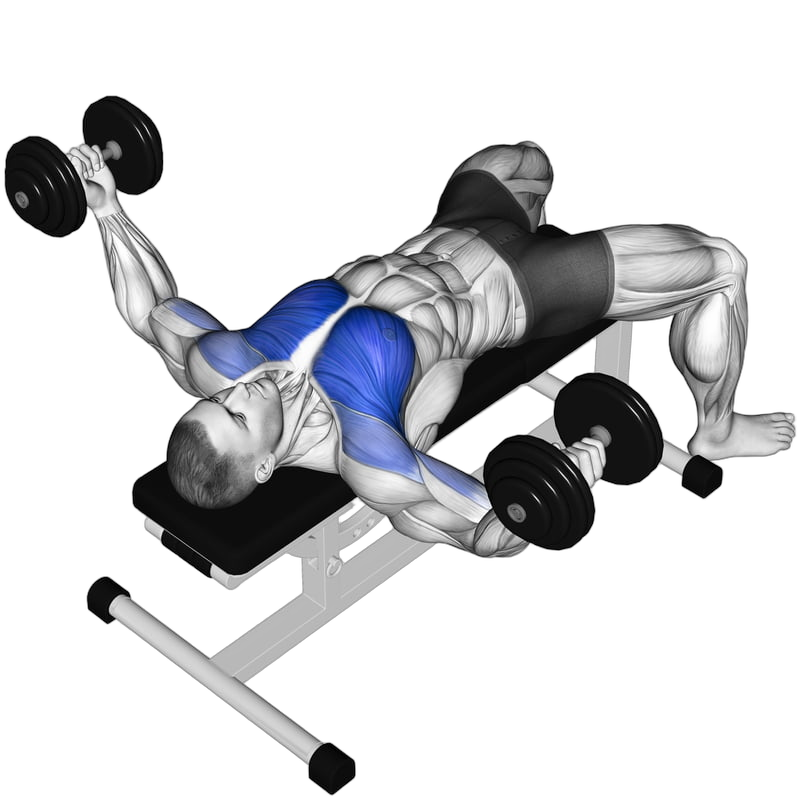
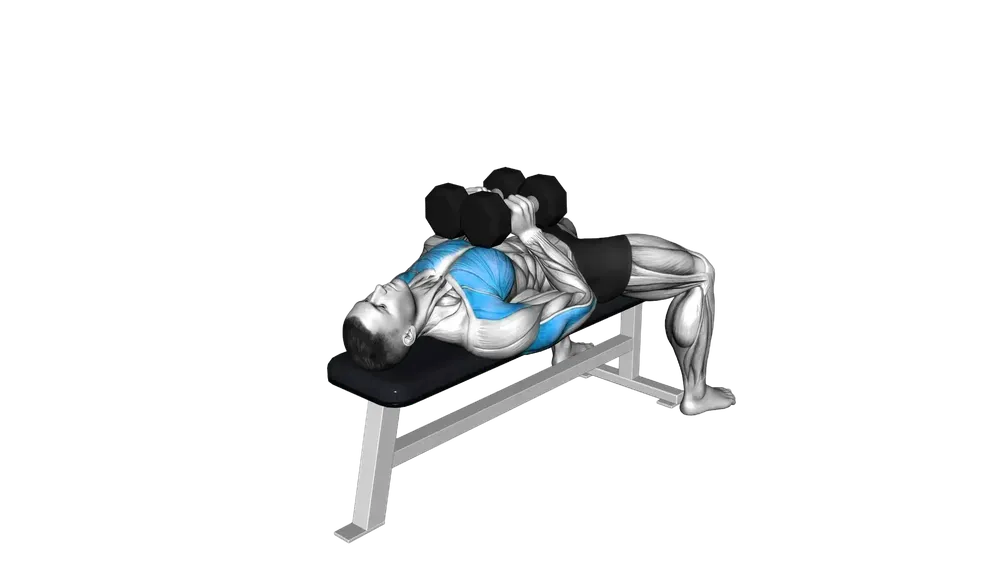
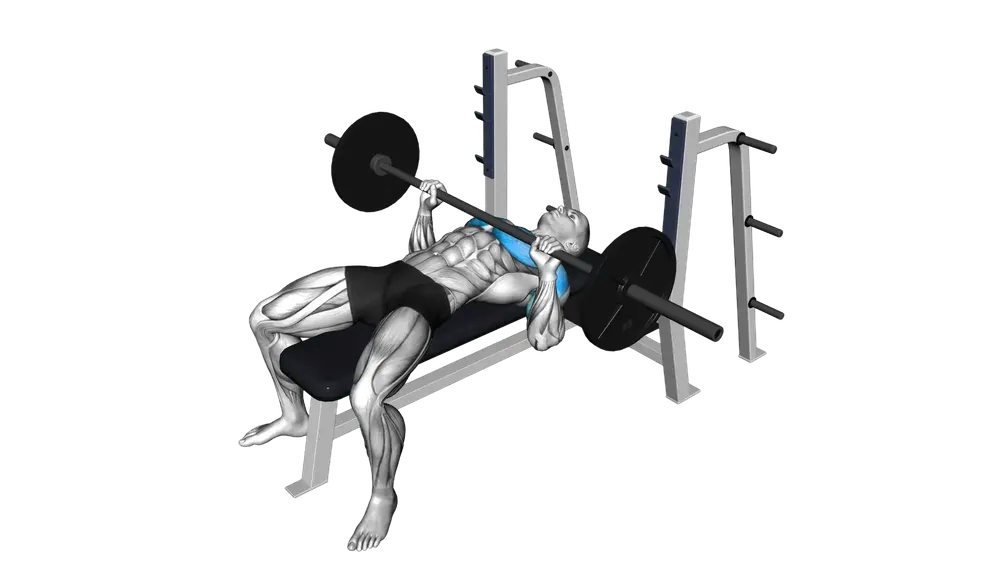
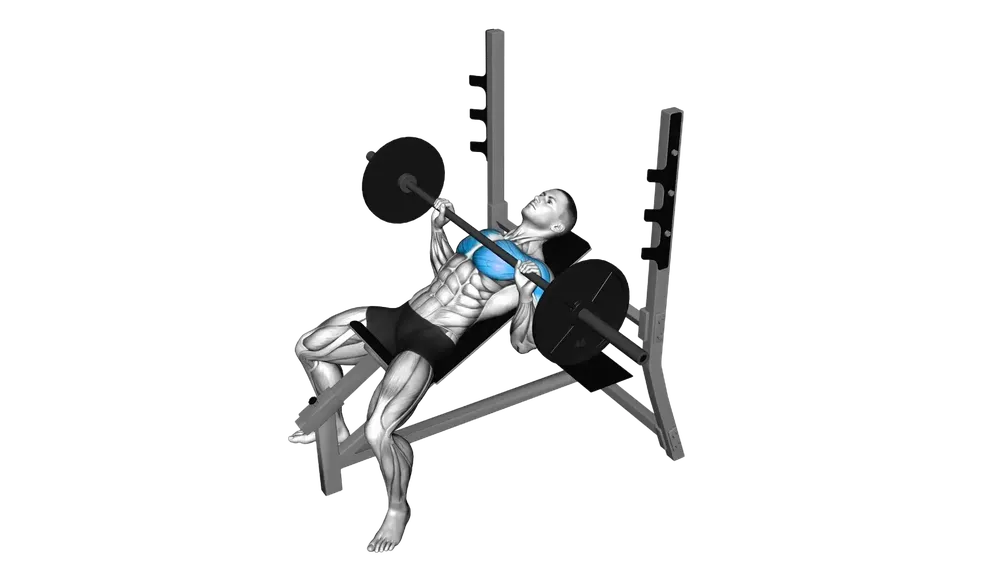
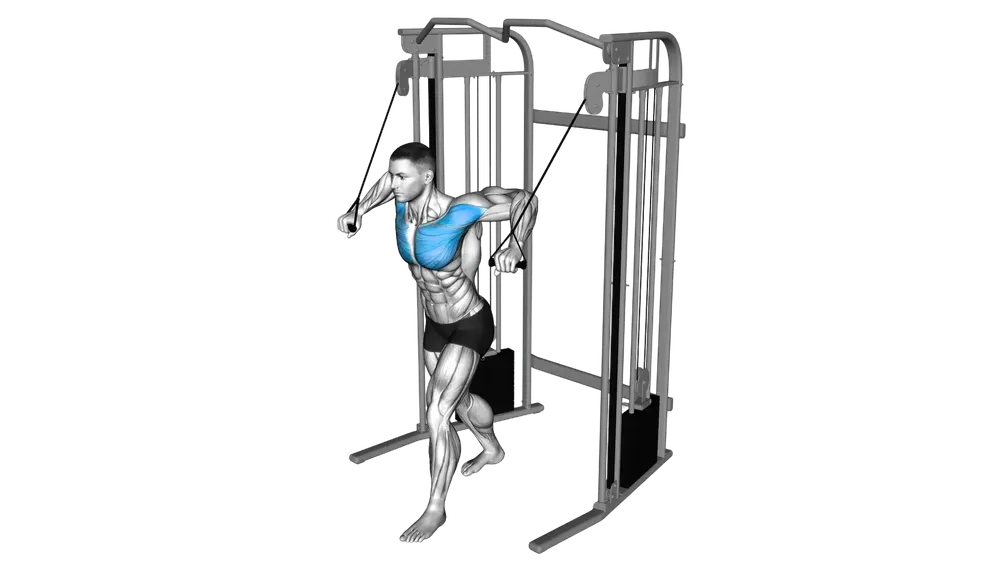
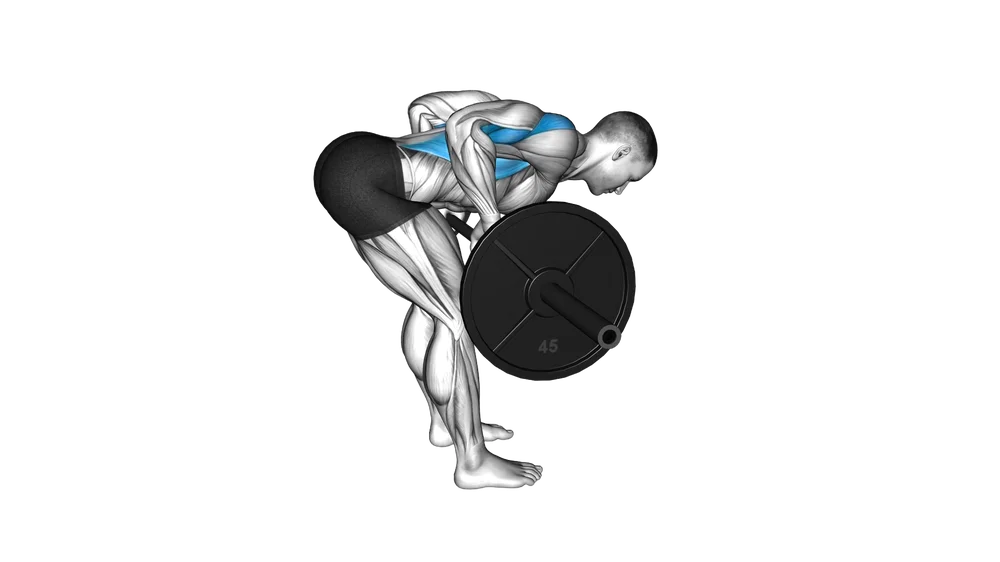
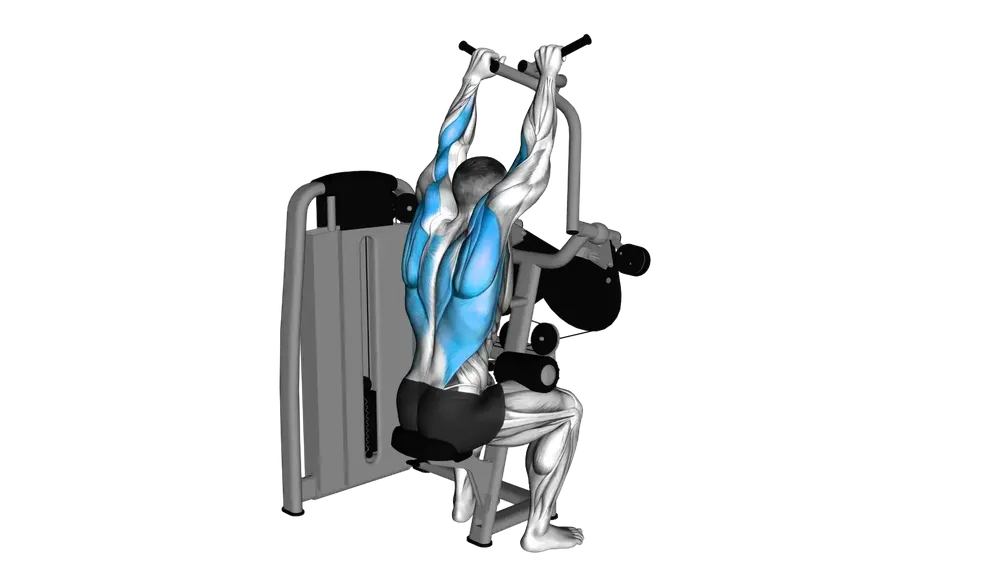
A day per body part. The old-school way to chase a physique.
The bodybuilding split gives each muscle group its own day: chest day, back day, shoulder day, arm day, leg day. You train it with high volume, then leave it a full week to recover and grow. It is the highest-volume, most specialised way to train.
Ready-made Bodybuilding Split plans. Tap one for the full plan and every workout, then run it free in the app.
Instead of grouping by movement, you group by muscle: one session hammers chest, the next back, and so on, so each part gets a big dedicated dose of volume.
That focus is the appeal and the catch: you can bring up a lagging body part fast, but each muscle is only trained once or twice a week, so it suits people who can train five or six days.
Chase reps within the range across your working sets, then add weight once you top it out. With a muscle trained once a week, log everything so you actually beat last week.
Every 6 to 8 weeks pull back to a lighter week. High-volume body-part work builds a lot of local fatigue, so cut the sets hard and keep the weights easy.
Body-part splits deliver high per-session volume, which drives growth, but the trade is frequency. If you can only train a few days, a higher-frequency split usually wins. On five or six days, though, the classic split lets you pile the 10 to 20 weekly sets per muscle into a focused hit and recover fully.
On 5 to 6 days, yes. The old-school body-part split builds plenty of muscle when volume and effort are high.
Five or six. With fewer days, a higher-frequency split like PPL or upper lower fits better.
A six-day chest-and-back, shoulders-and-arms, legs rotation run twice a week, one of the highest-volume classic splits.
Yes, pick Dumbbells in the builder for a full body-part program.
Often 60 to 90 minutes given the volume per muscle.