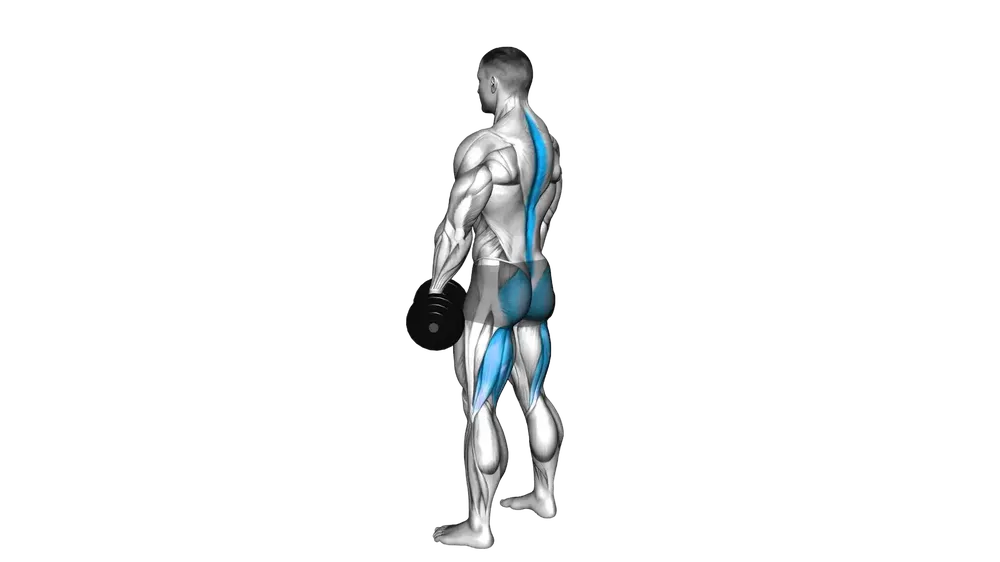
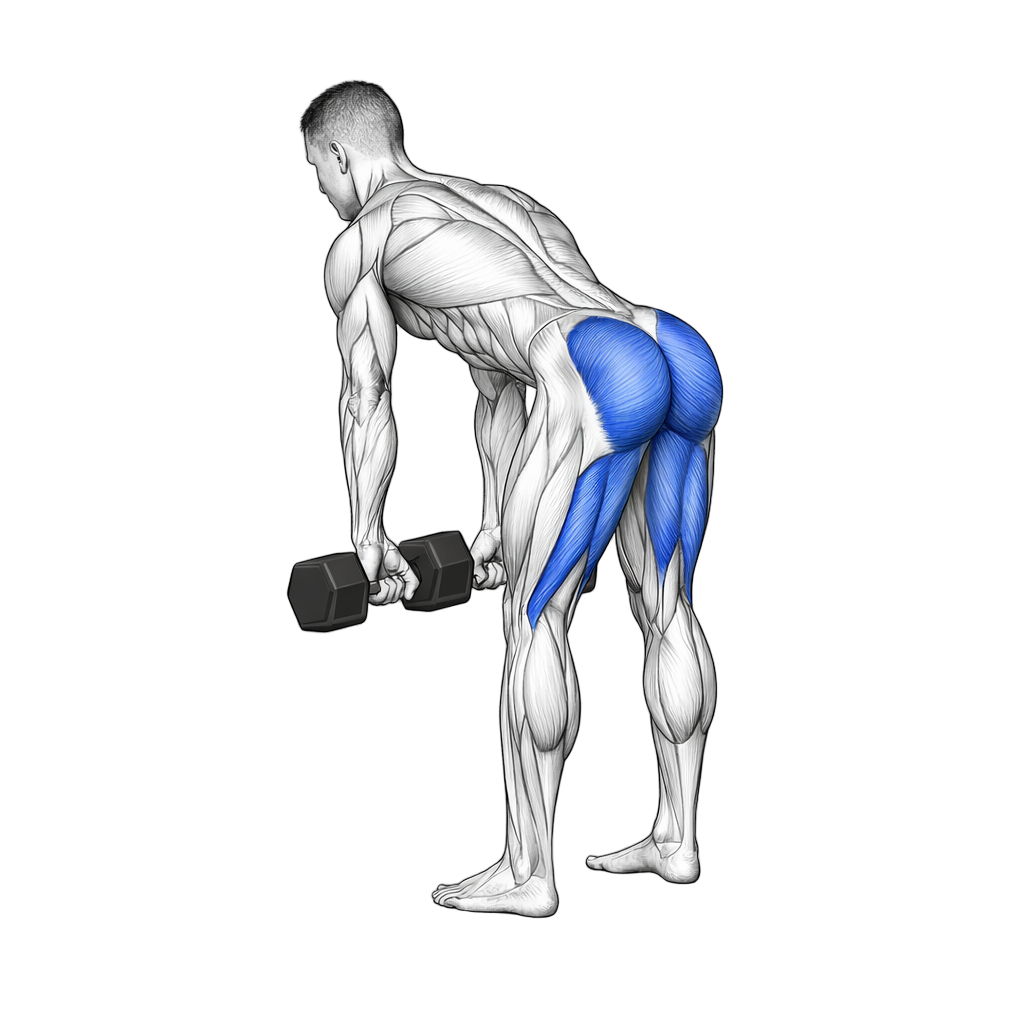
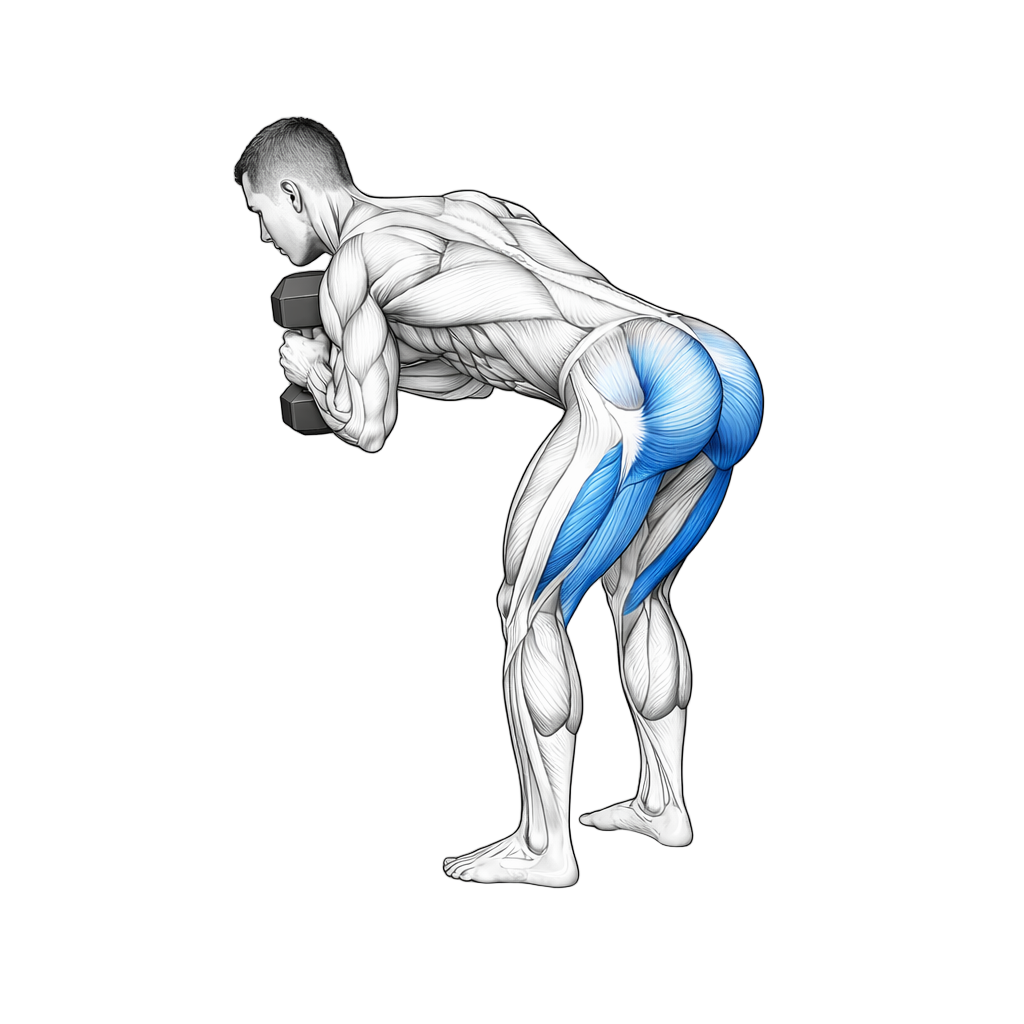
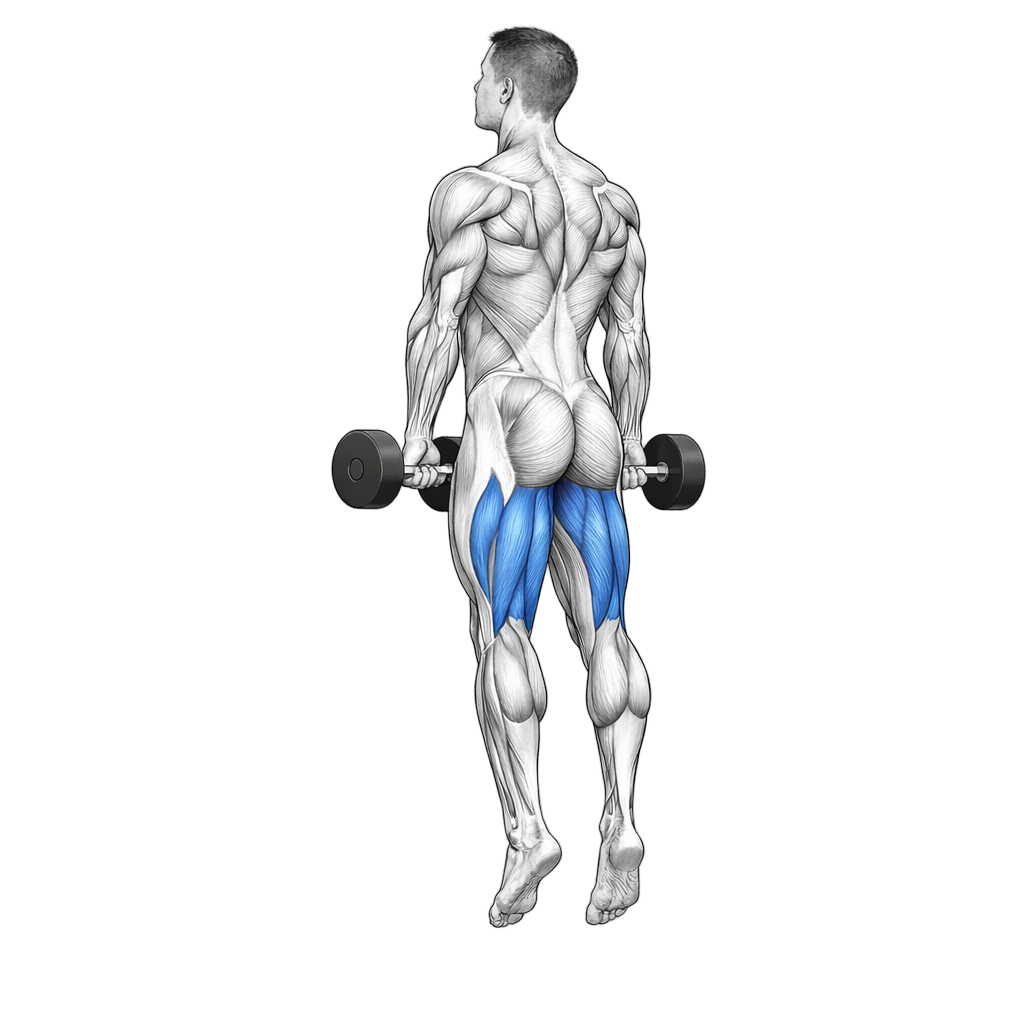
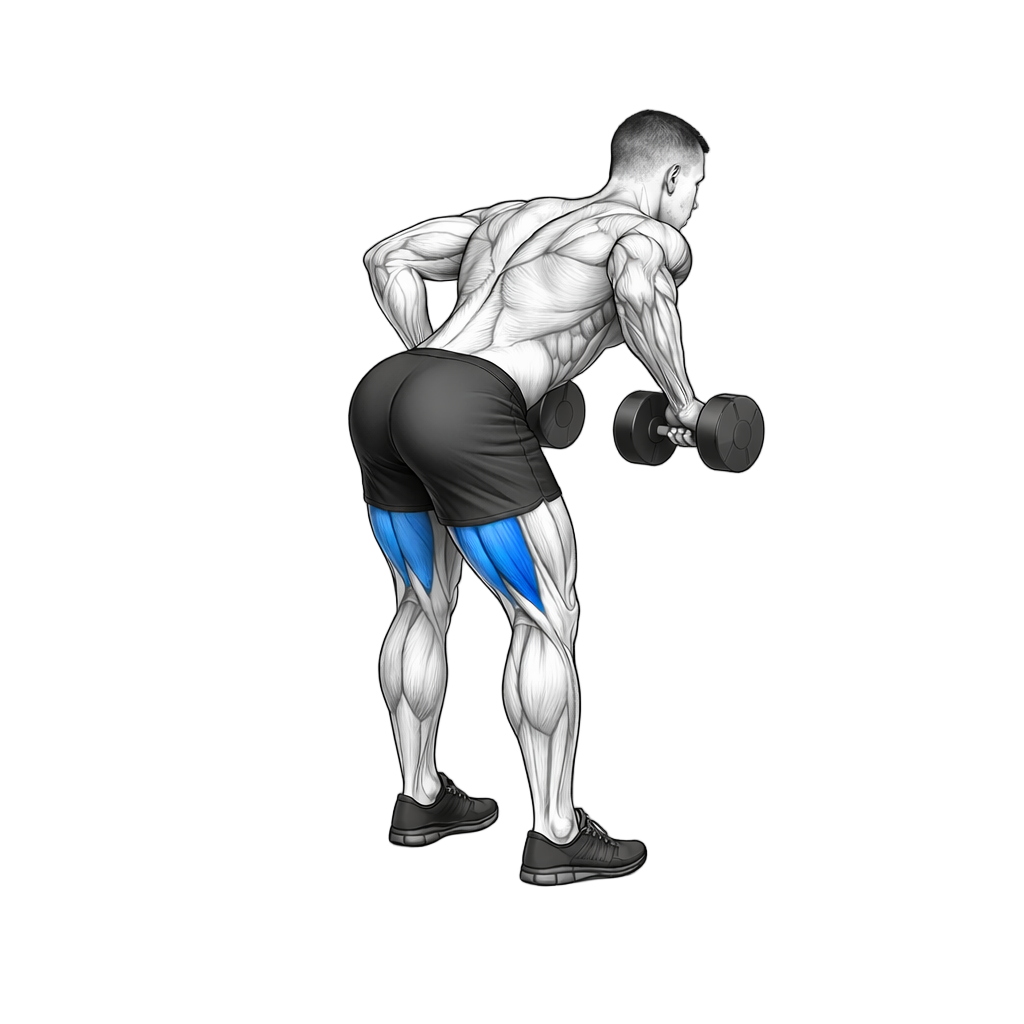
One leg, one dumbbell, total hamstring control.
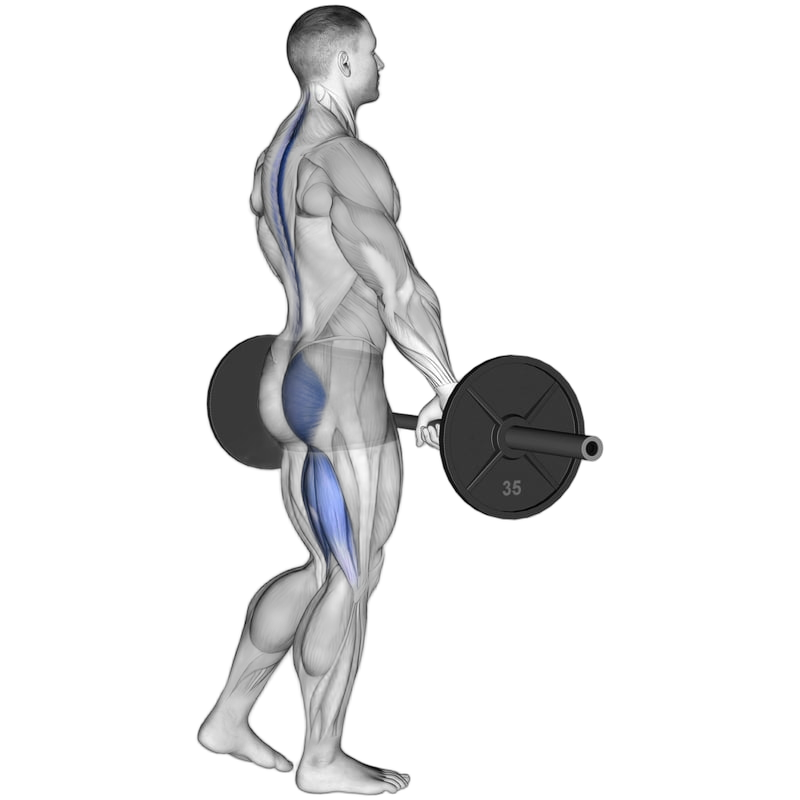
Keep your hips level and square to the floor, don't let the rising leg's hip rotate open.
Balancing on one leg turns the RDL into a full-chain test. The standing hamstring loads through a long stretch as you hinge, the glute powers the drive back up, and the whole hip has to fight rotation the entire time. One dumbbell is all it takes, and because each leg works alone, the exercise finds the weaker side and forces it to catch up.
It adds balance, hip stability and anti-rotation on top of the hamstring stretch, and it stops your stronger side quietly doing more than its share. You will use less weight, but each leg earns everything it lifts.
Much lighter than your two-legged RDL, at least at first. Balance is the limiting factor, so pick a dumbbell you can lower slowly with square hips. The load can climb once the wobble goes.
The free leg is lifting too enthusiastically and dragging the pelvis with it. Think of the back leg as a counterweight, not a feature, keep the toes of that foot pointing down, and shorten the range until the hips stay level.