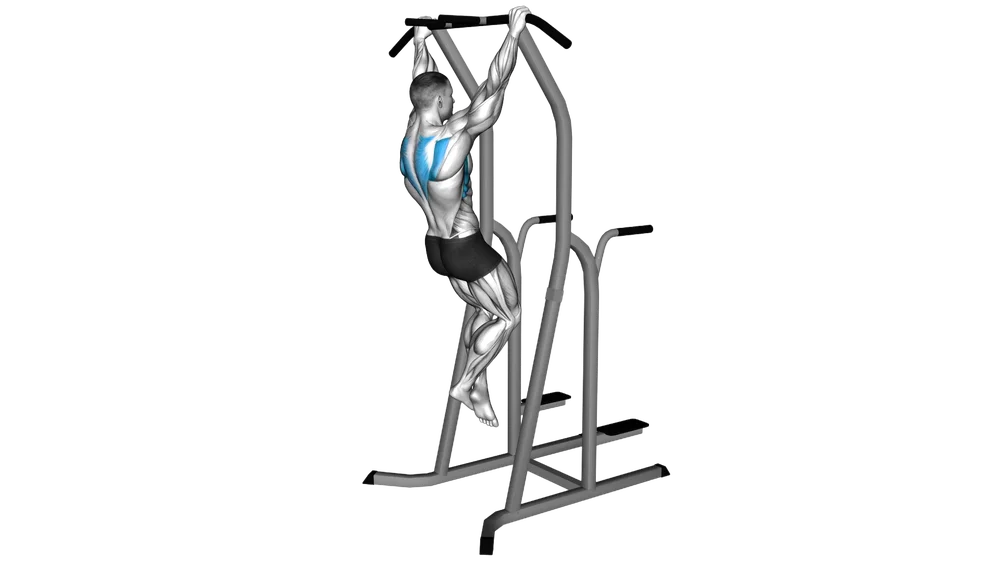
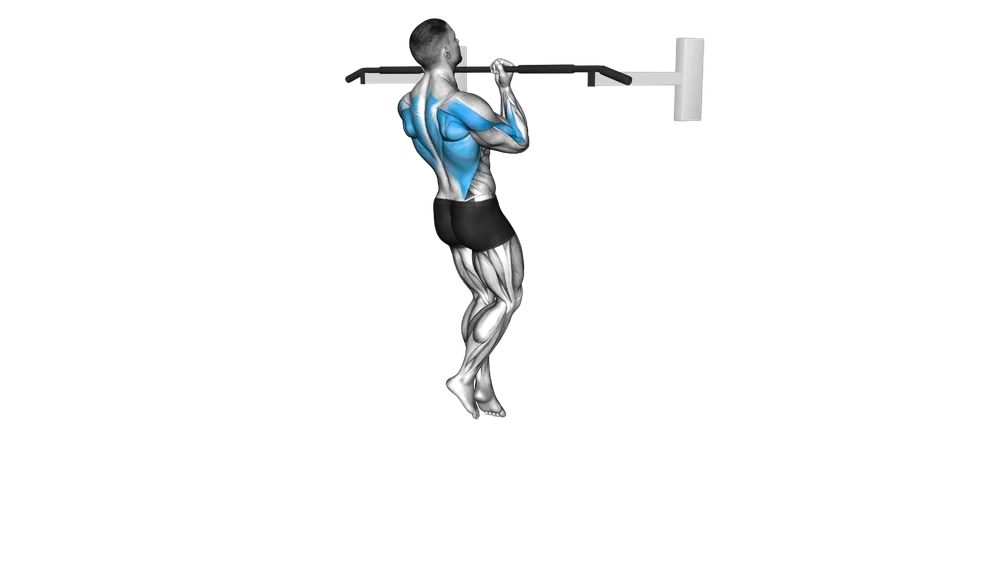
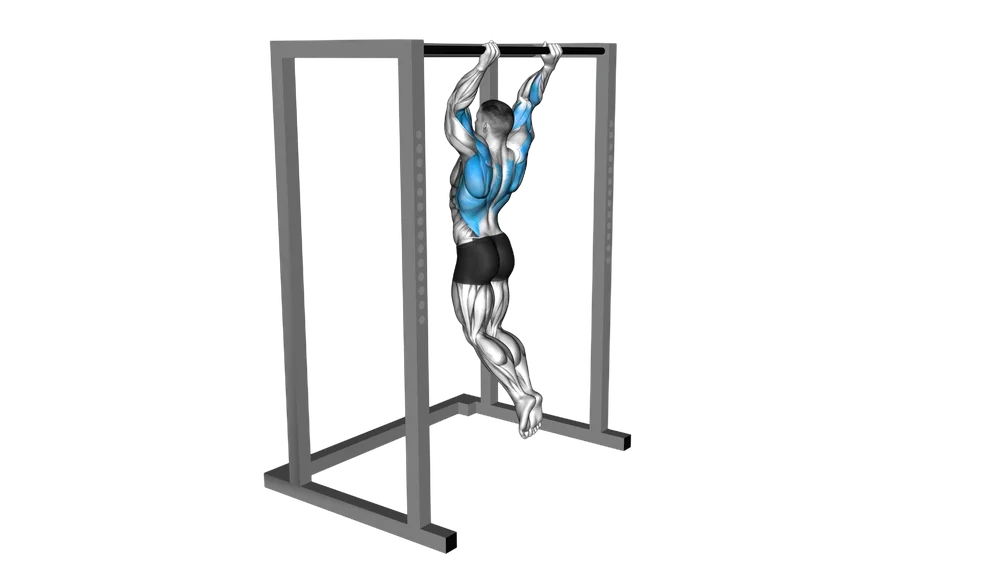
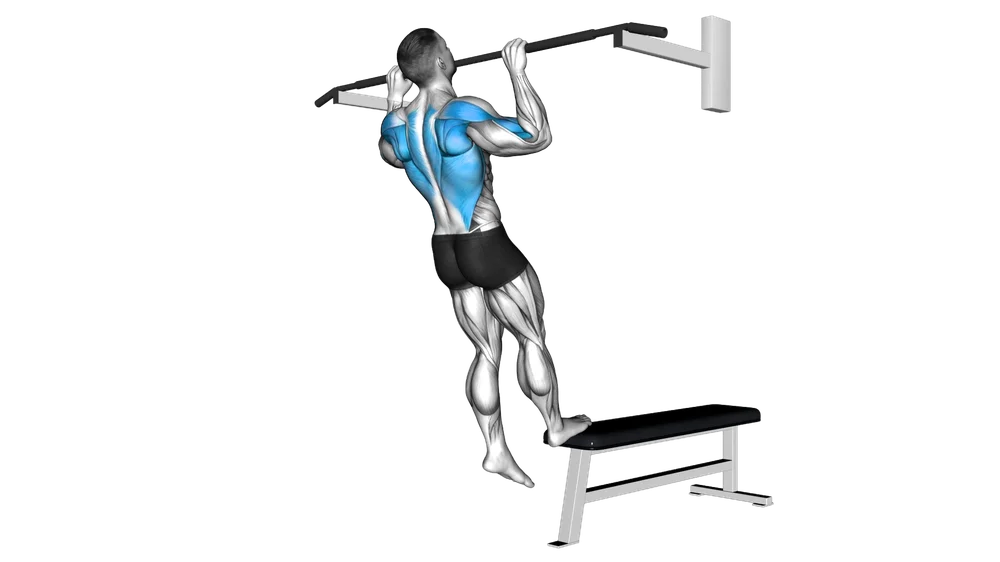
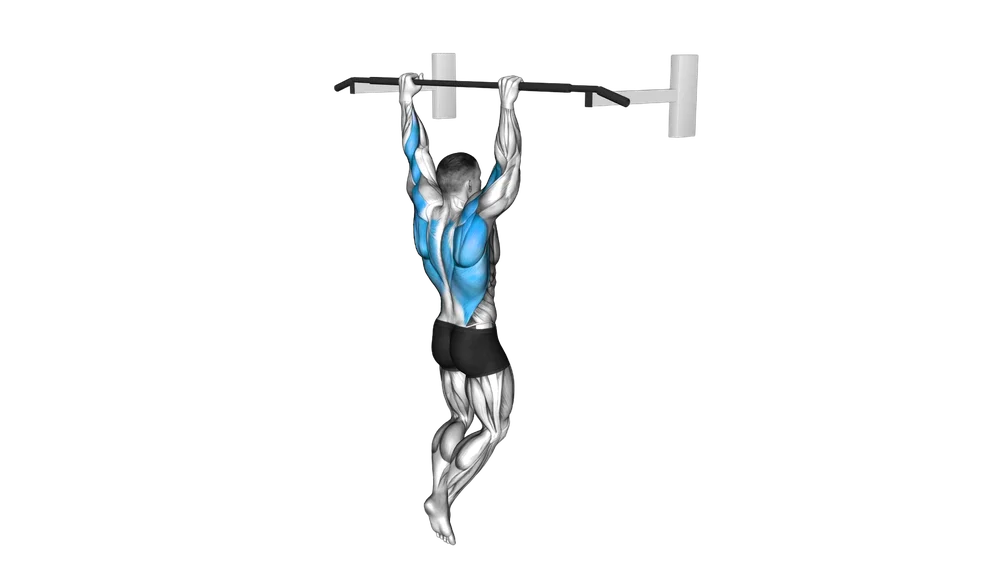
A horizontal pull that hammers your back and biceps.
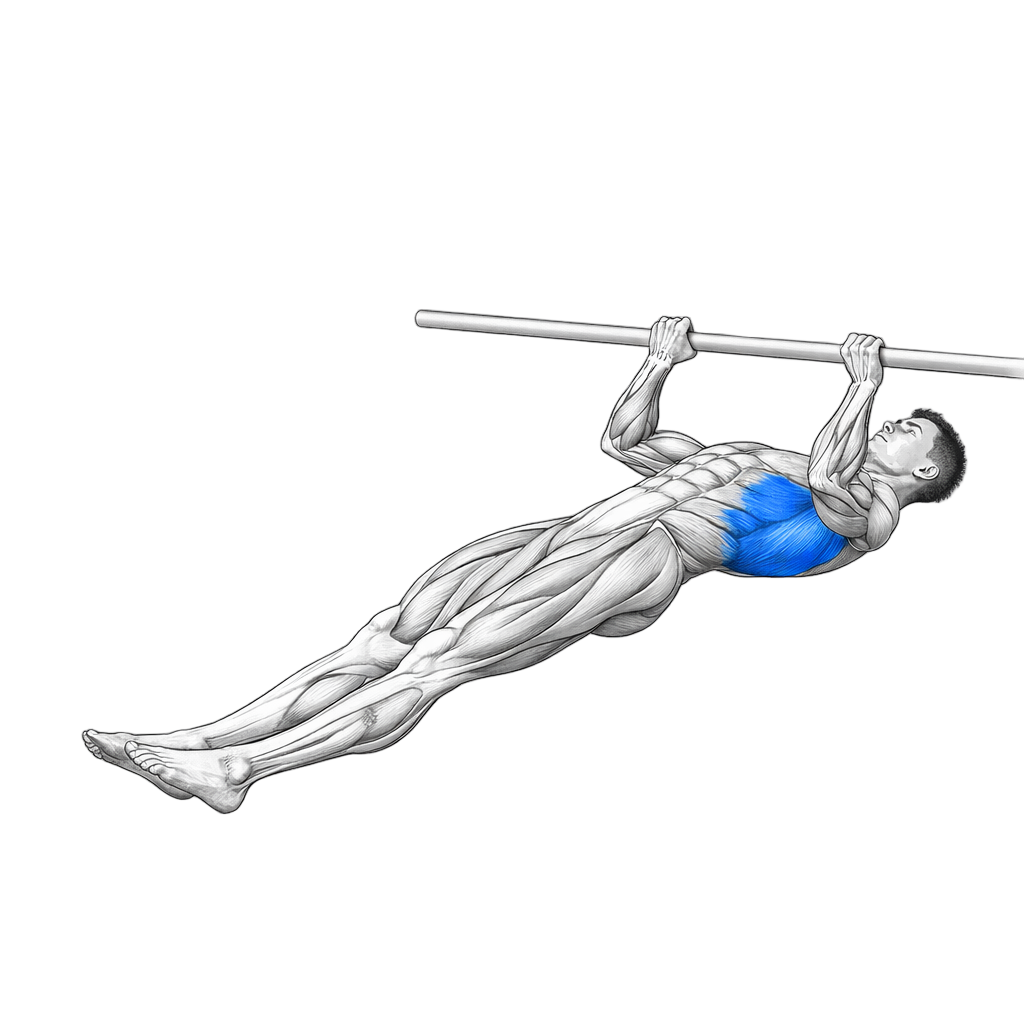
Keep your hips up and body rigid, no sagging through the middle.
Rowing your own bodyweight with an underhand grip drives the elbows tight past the ribs, a path that lets the lats and mid-back pull through a long, strong range while the biceps get loaded harder than in any overhand pull. Because your body is a rigid lever from heels to shoulders, the trunk works the whole set just to hold the line. It earns its place as the horizontal pull that needs no weights, scales with body angle, and balances out all the pressing in a bodyweight programme.
Underhand shifts the pull lower, elbows skimming the ribs, biceps and lats doing more. Overhand puts the elbows wider and hits the upper back harder. Neither is wrong; alternate them or pick the one matching what you want to grow.
Lower the bar, elevate your feet on a box, or slow the negative right down. Each change increases the share of bodyweight you are rowing. When feet-elevated strict reps get easy, you have built a serious pulling base.
Core fatigue, not back fatigue. Your body is a plank on the move, so squeeze the glutes and brace before each rep. If the line still breaks, end the set; rowing with a sagging body just teaches a bad pattern.