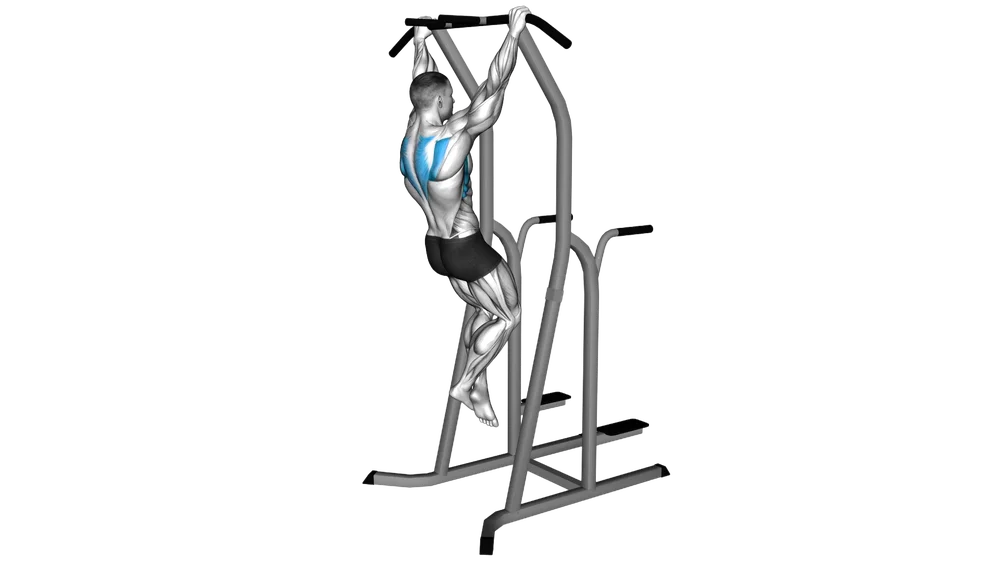
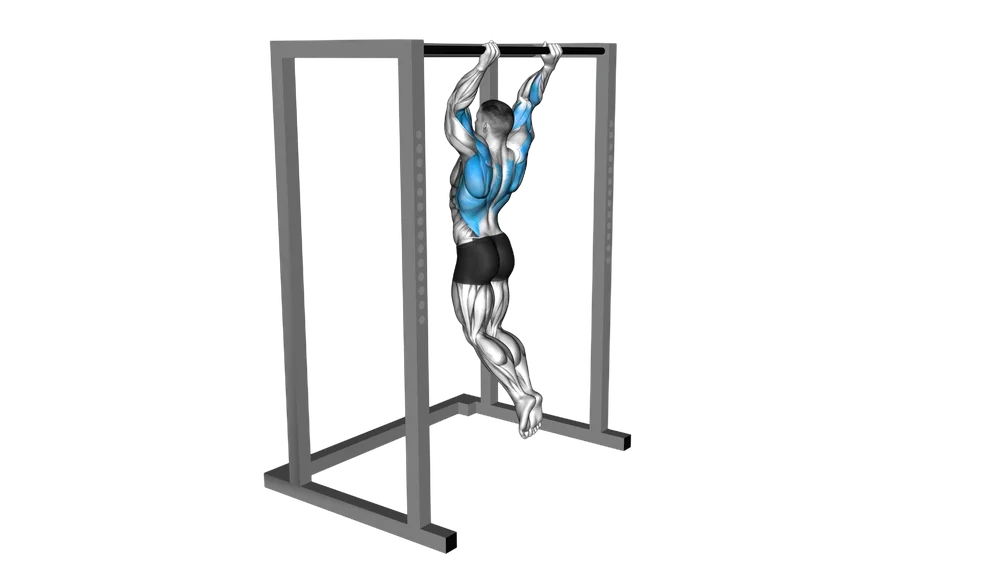
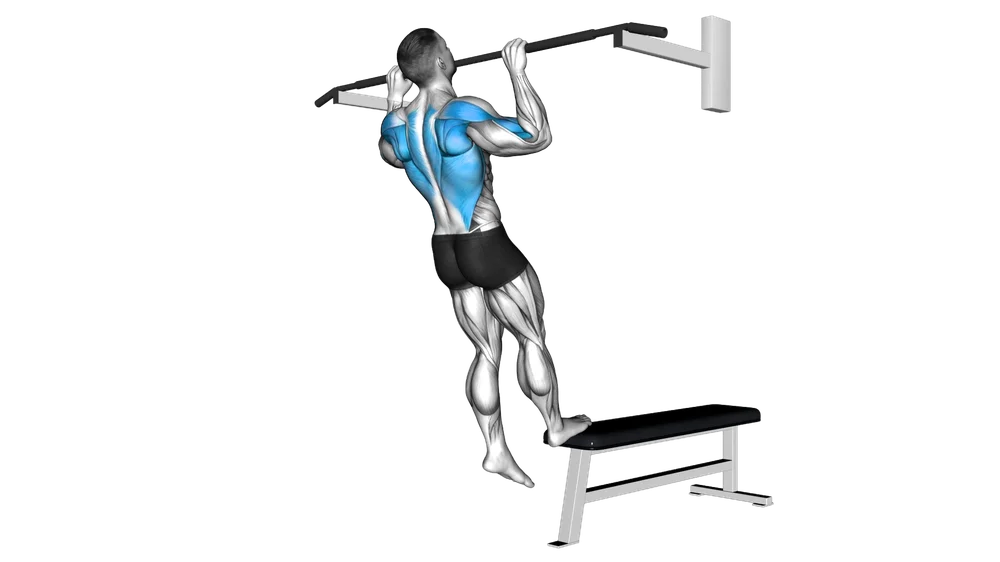
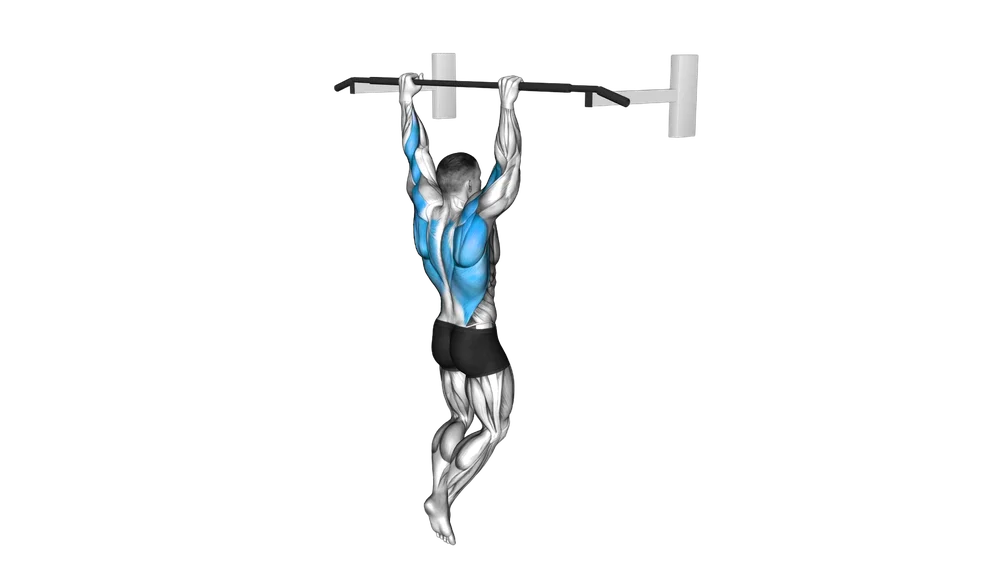
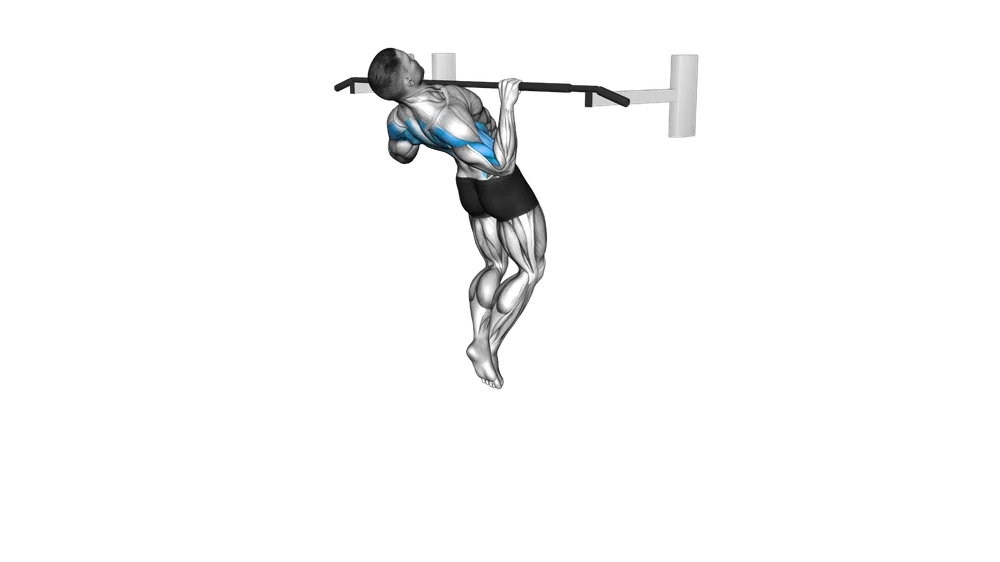
Palms toward you, biceps fully invited.
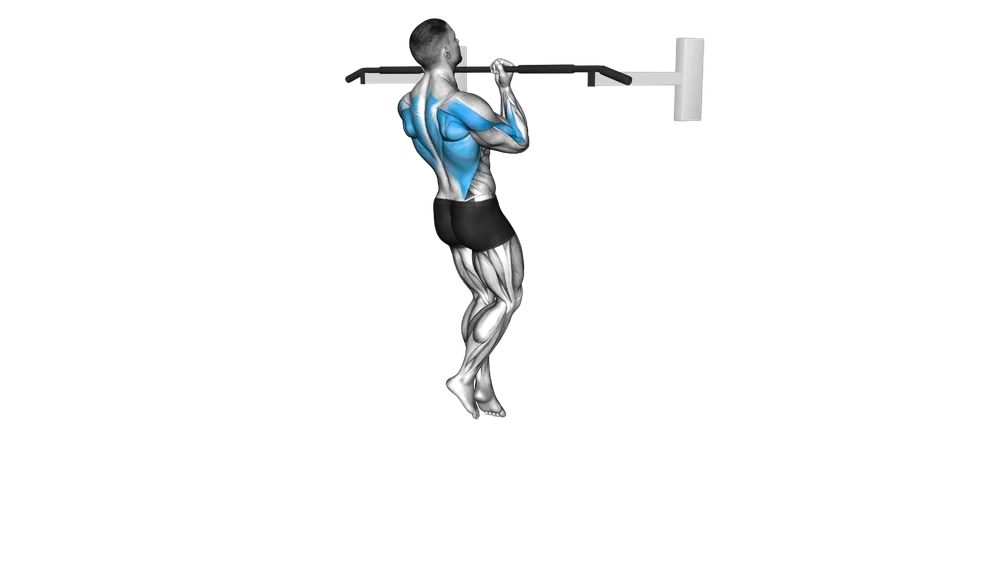
Drive your elbows down and lead with your chest. Don't stop short of a full hang.
The underhand grip puts the biceps in their strongest line of pull, so the chin-up lets the lats and biceps share the load and most people can move more weight than on a pull-up. The lats drive the elbows down toward the ribs while the biceps flex hard through the entire range, which is why chin-ups build arms as well as width. It earns its place as the vertical pull you can load with nothing but your own body.
Neither is better, they bias different things. Chin-ups let the biceps help more so you can usually do more reps, while pull-ups with an overhand grip shift more of the work to the lats and upper back. Train both.
Start with slow negatives, jump or step to the top and lower as slowly as you can. Band-assisted reps also work well. Between those two, most people earn their first full rep within a few weeks of consistent practice.
Not really. Cutting the bottom of the rep skips the stretched position where the lats work hardest. Lower to a full dead hang every rep, even if it costs you a couple of reps per set.