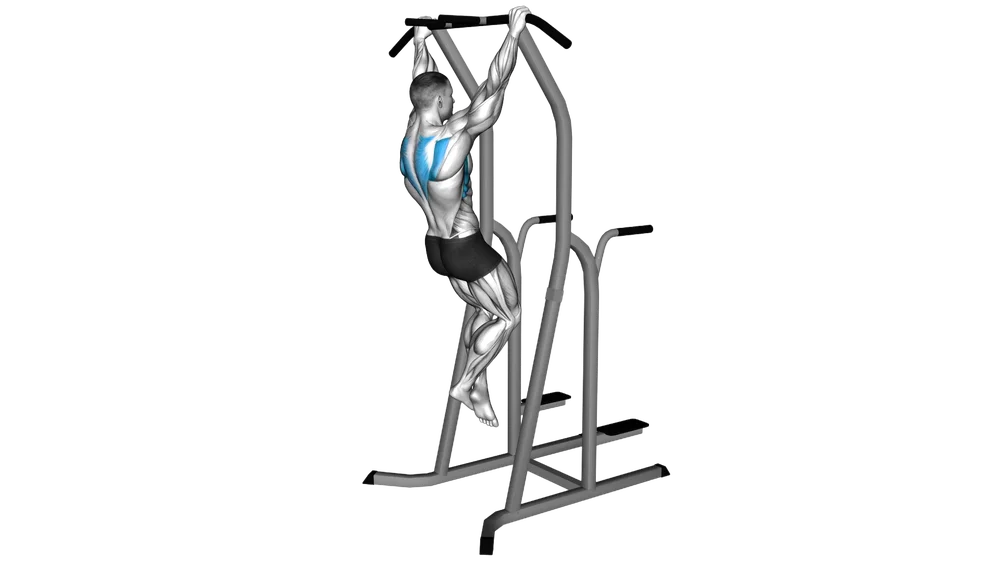
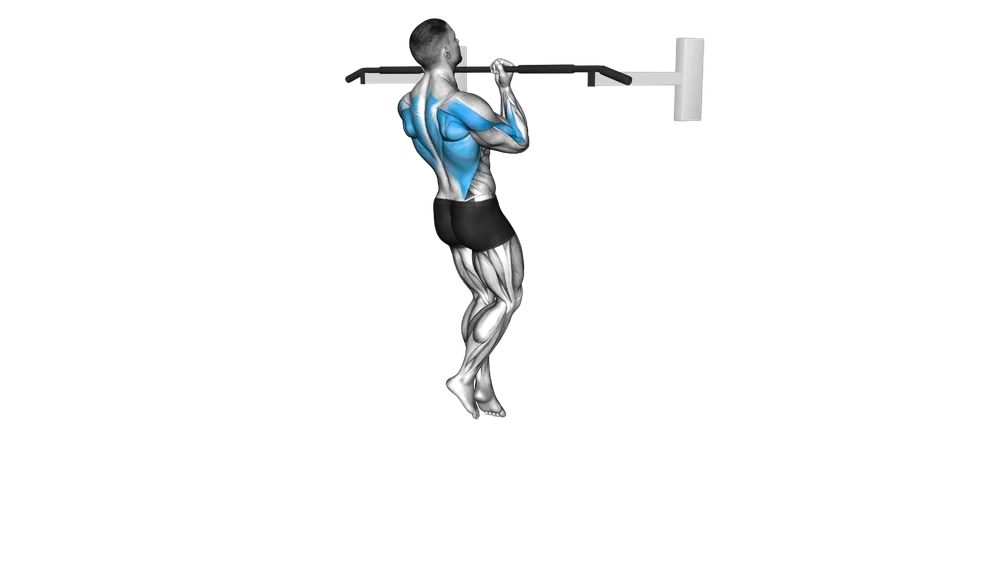
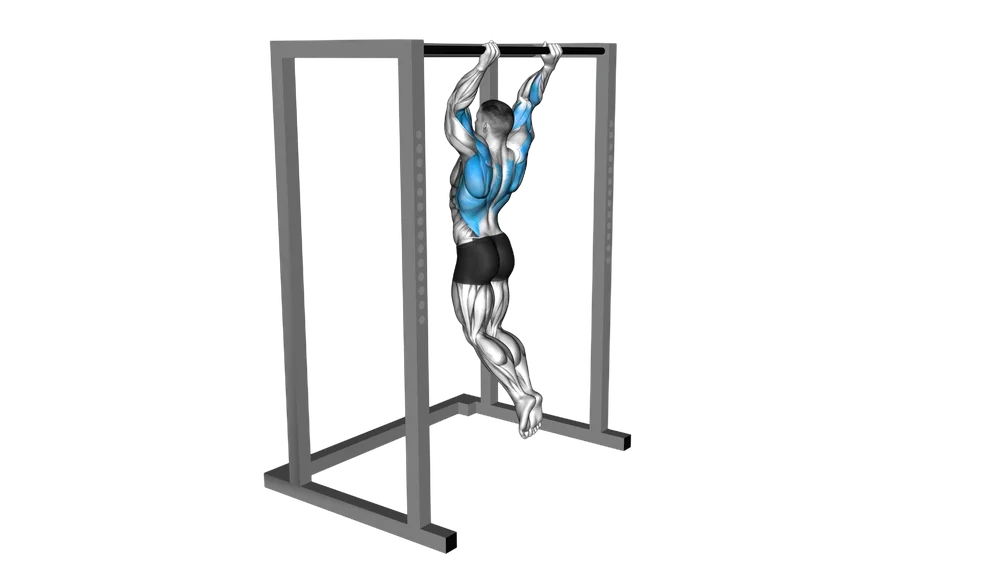
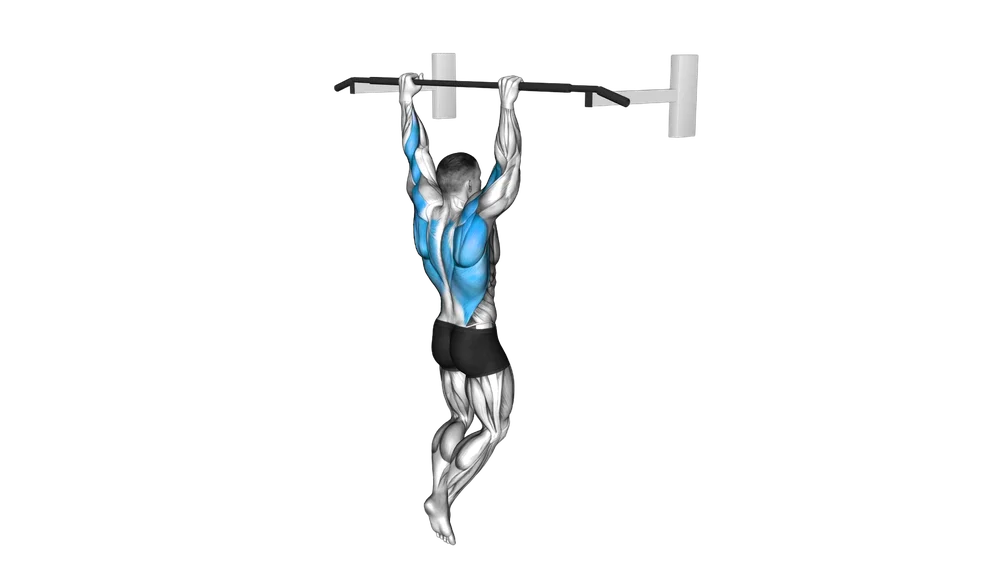
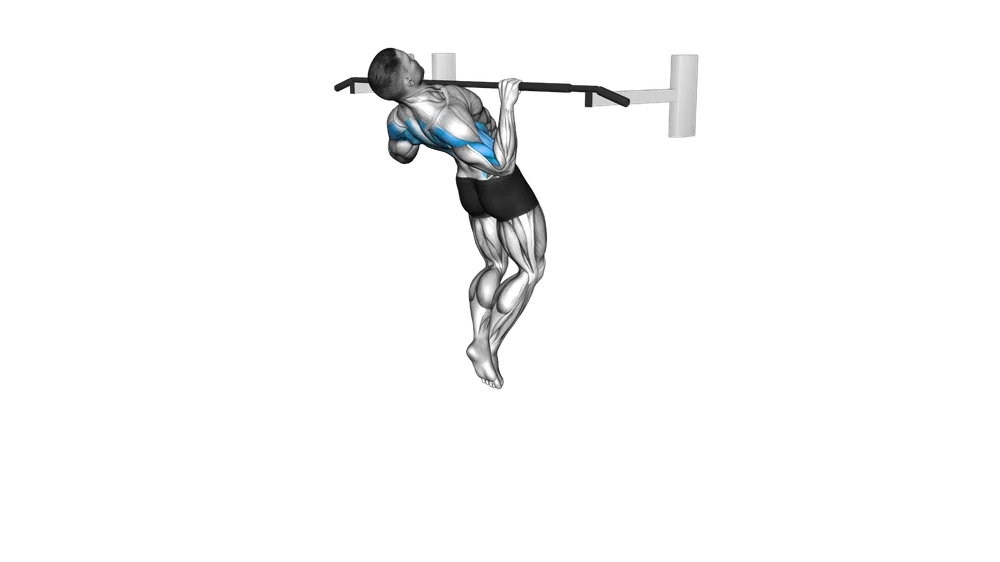
Own the lowering and build toward your first pull-up.
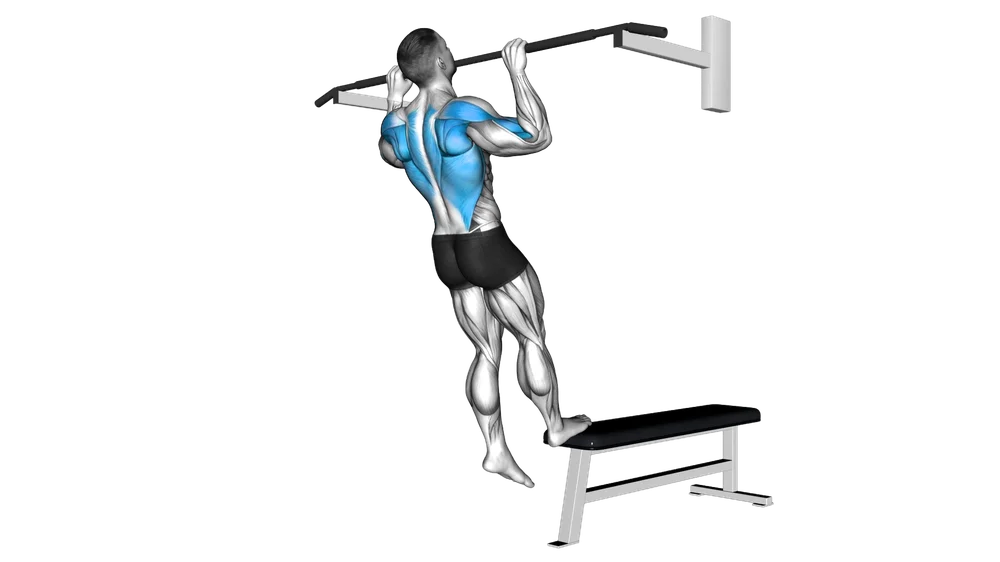
Make the descent take three to five seconds. Resisting the lower is what builds the strength.
You are stronger lowering than lifting, and negatives exploit that. Starting with your chin over the bar and fighting gravity all the way down forces the lats and mid back to work at an intensity you cannot yet pull, with the biceps braking hard the whole way. It is the most direct bridge from zero pull-ups to your first full rep, no bands or machines needed.
Yes. Lowering under control builds strength through the exact range you will eventually pull through, and it gets you comfortable gripping and hanging at full stretch. Pair them with rows and dead hangs and the first full rep tends to follow.
Slow enough that every inch is a decision, not a drop. Stretch each descent out to a steady count and stay controlled through the bottom half, where most people give up and fall. The moment you start free-falling, the set is over.
Keep sets short, around three to five quality lowers, and stop as soon as the descent speeds up. Grinding out fast, sloppy drops adds fatigue without adding strength.