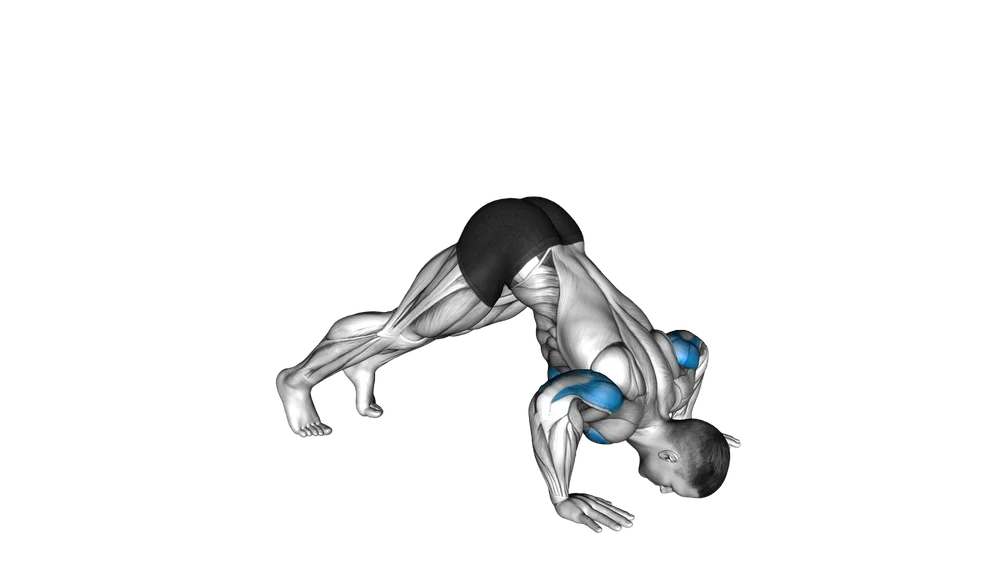
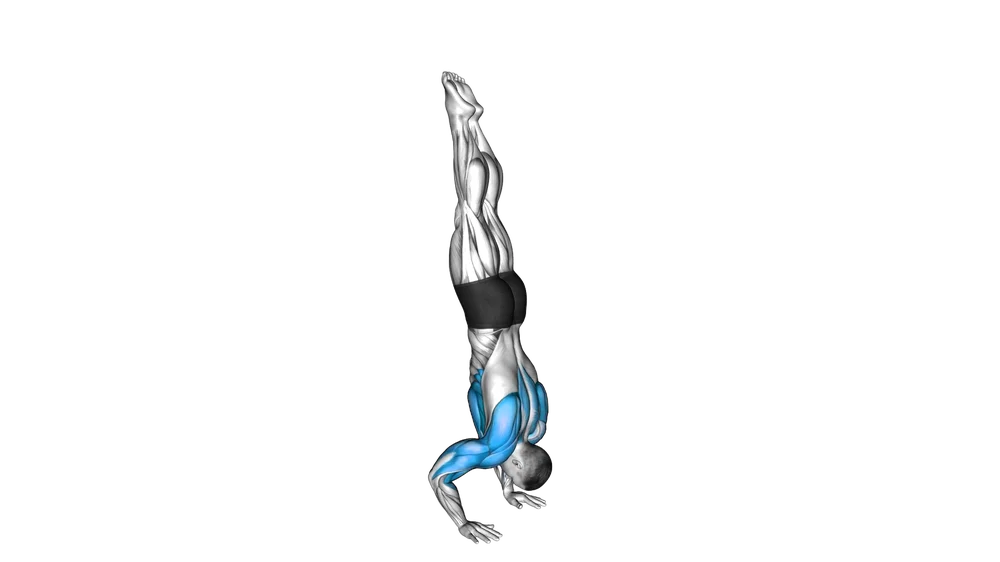
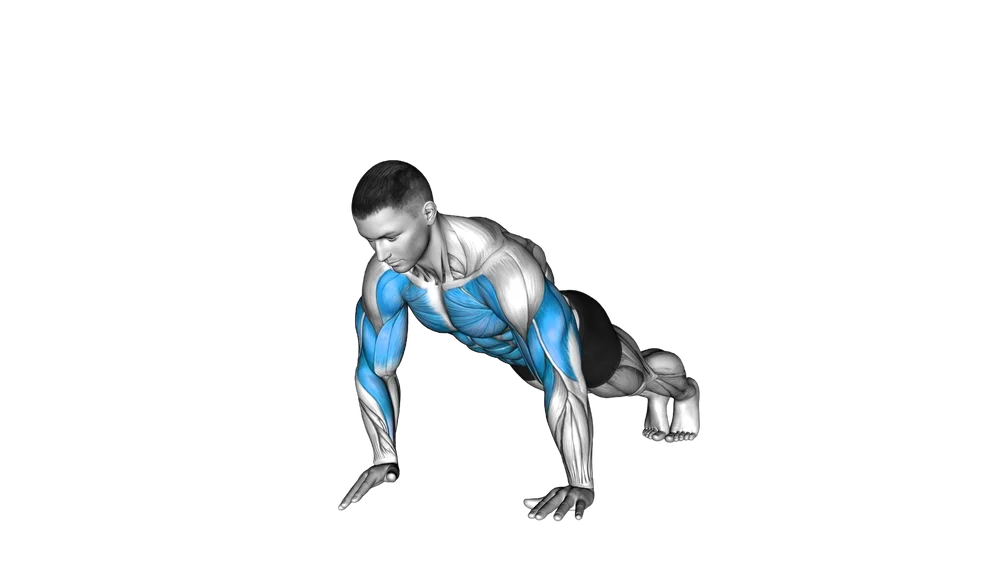
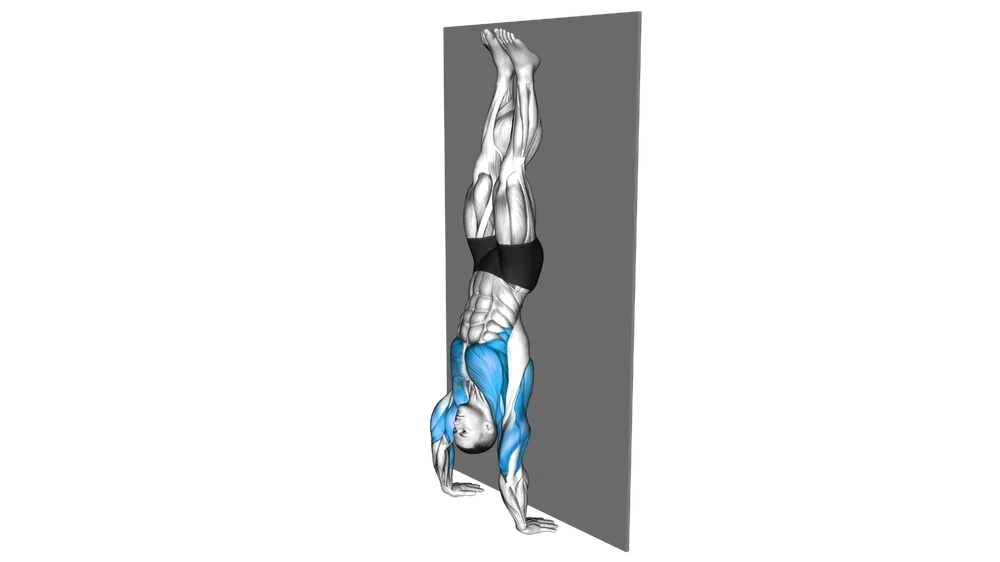
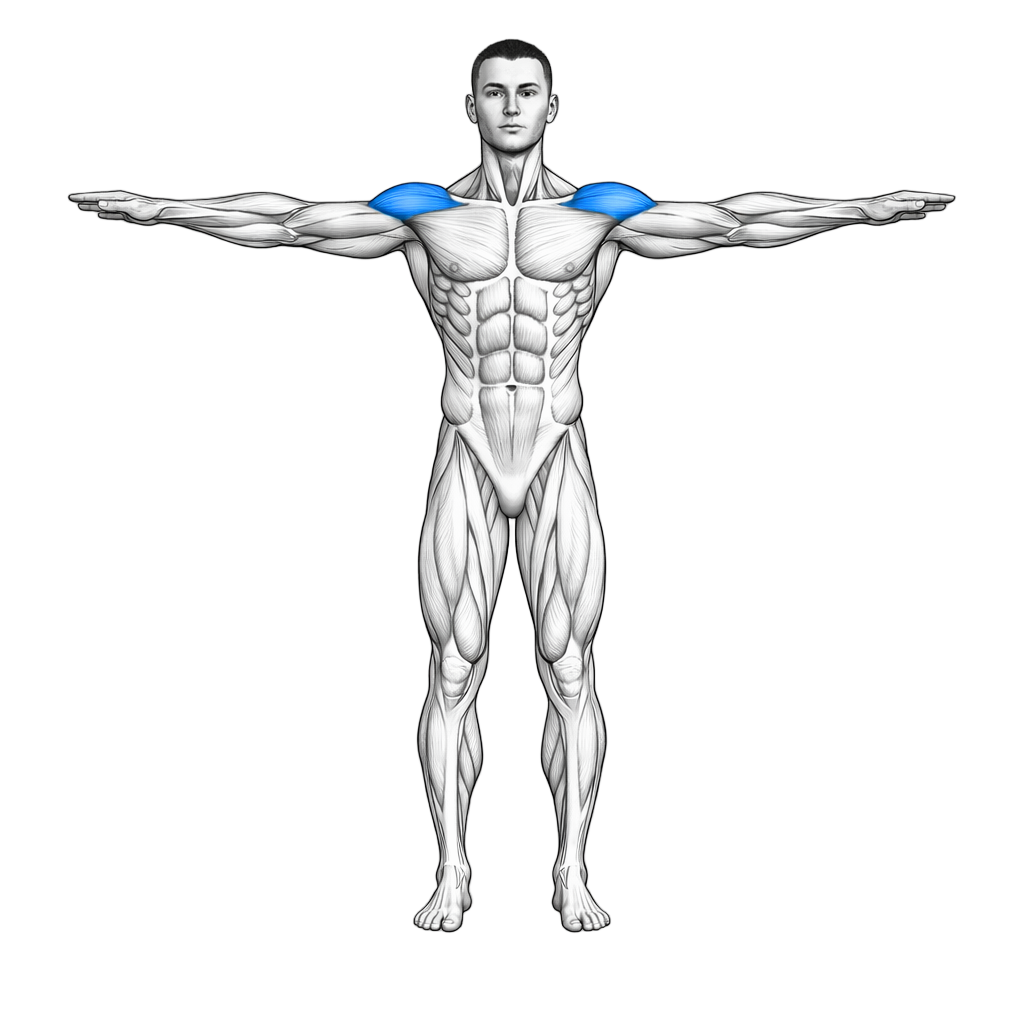
Flip up and walk it out on your hands.
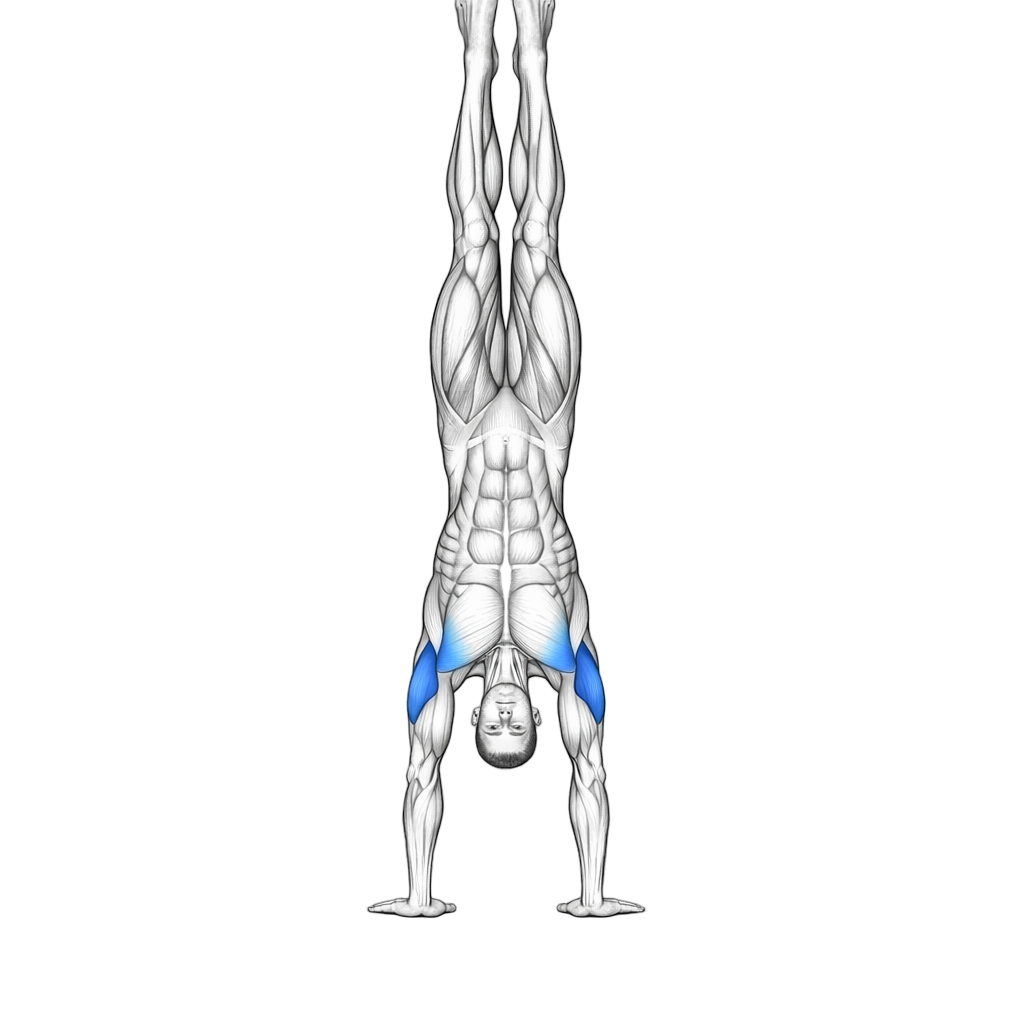
Keep your core locked and look slightly forward. Small steps beat big lunges for balance.
Walking on your hands keeps the shoulders under constant load while forcing them to stabilise a moving base one hand at a time, which is a completely different challenge from a static hold. Every step is a single-arm balance moment, so the delts learn to absorb and redirect your bodyweight on the fly. It earns its place as the skill layer on top of handstand strength, sharpening overhead control, balance and body awareness in a way no machine can copy.
A confident freestanding handstand, or at minimum a rock-solid wall hold with controlled kick-ups. If you cannot hold still upside down for 20 to 30 seconds, walking will just be controlled falling.
Turn it into a cartwheel. Rotate your hips, step one hand sideways and let your feet come down to the side. Practise the bail on purpose early so it becomes automatic instead of scary.
You are probably taking steps that are too big or leaning too far. Keep the lean slight, look a little ahead of your hands, and take quick small steps so your base stays under your hips.