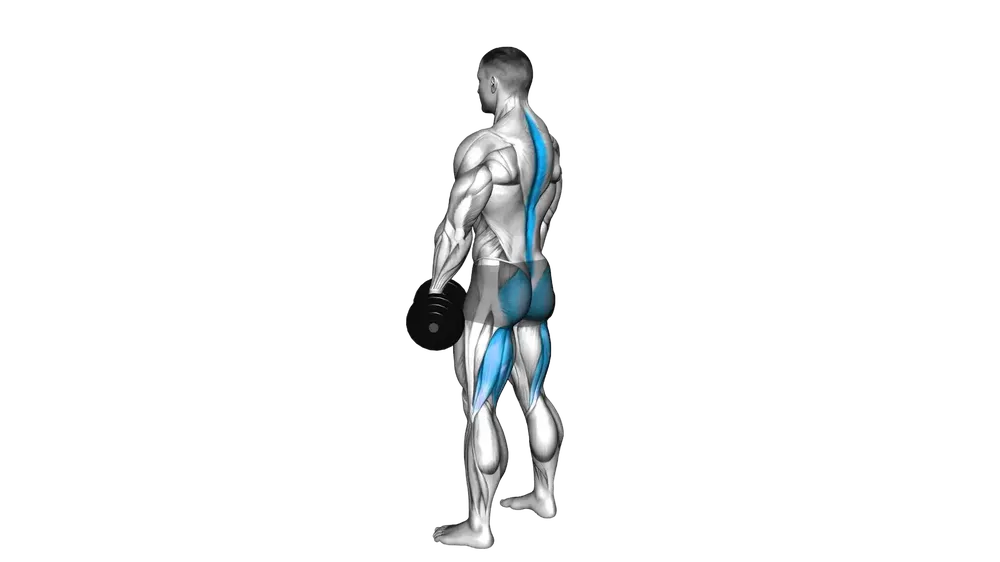
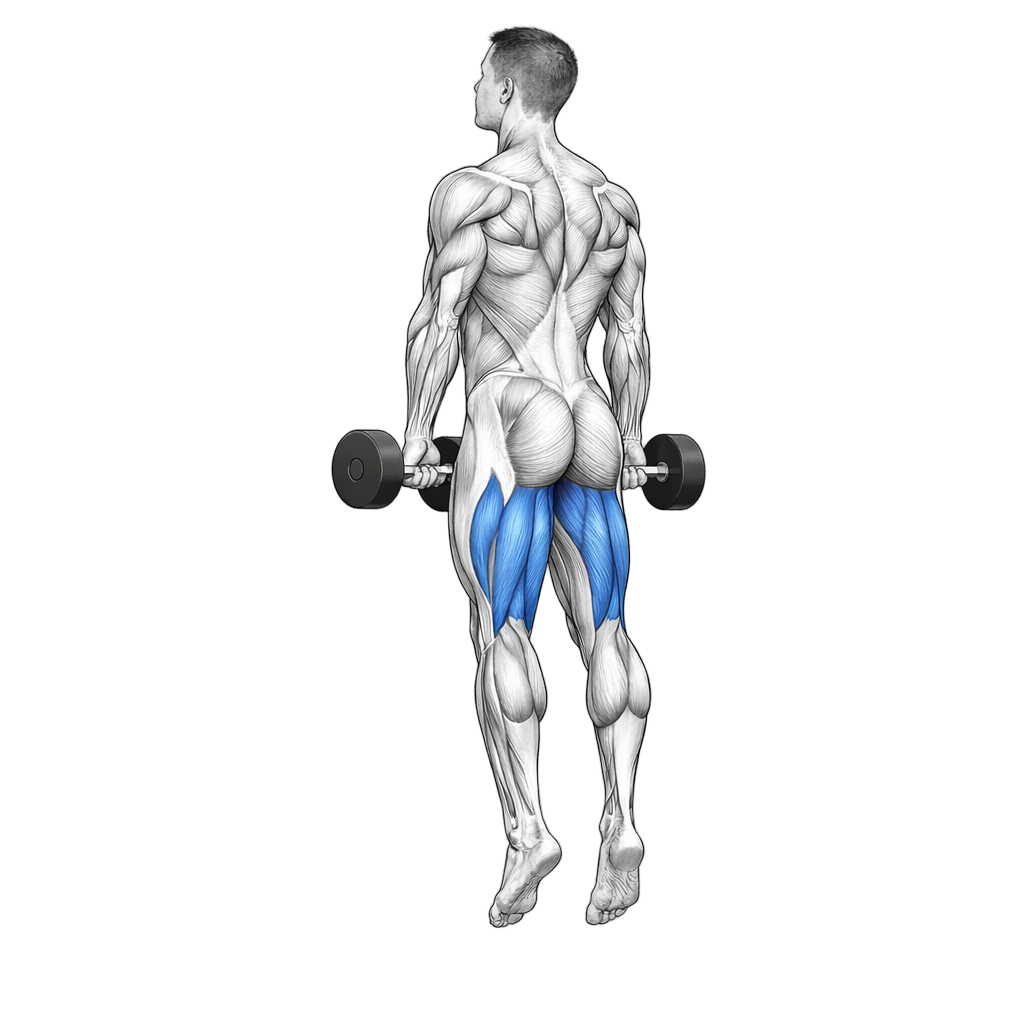
Two dumbbells, one leg, and a hamstring that begs for mercy.
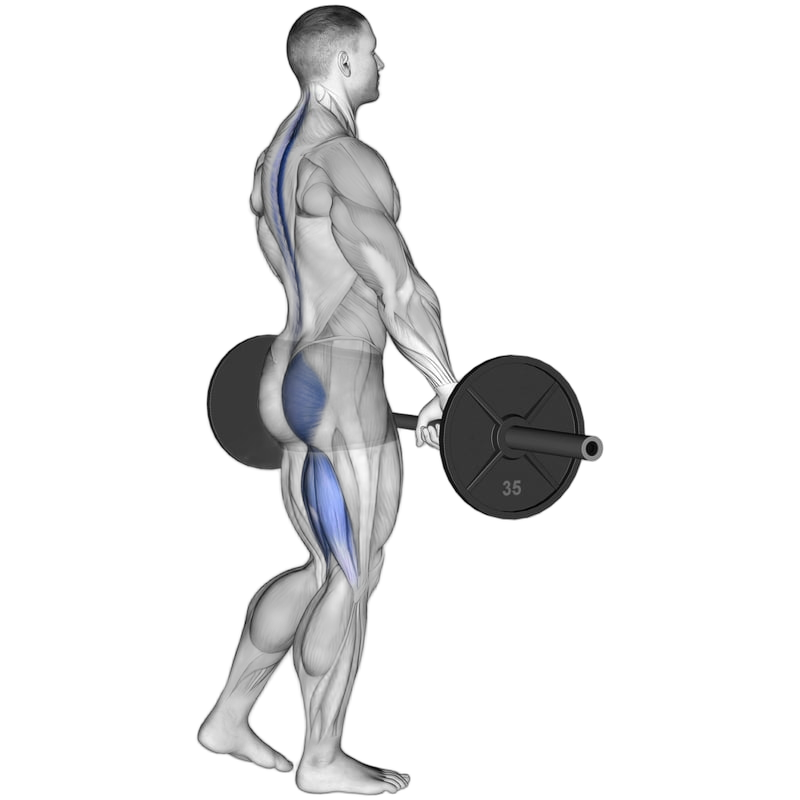
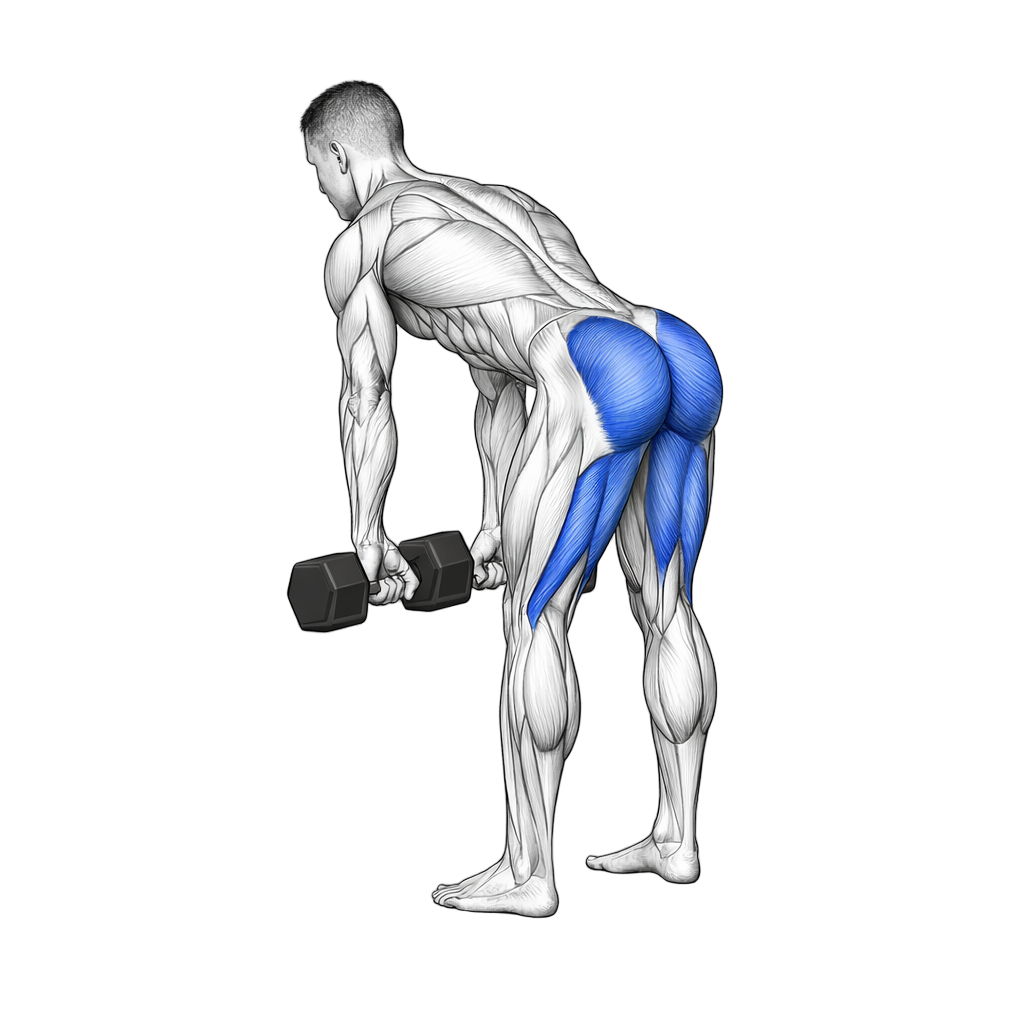
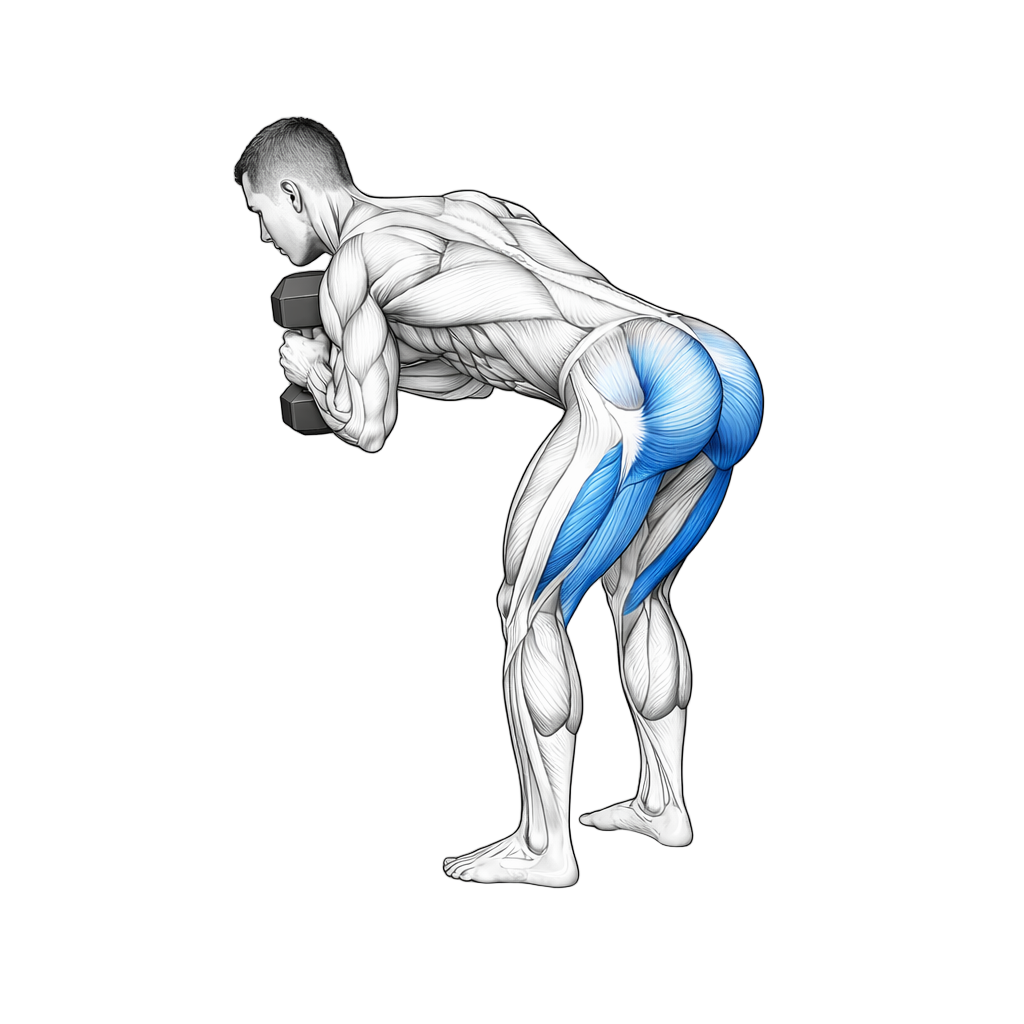
Keep a flat back and let the bells track close to your shin. Hinge, don't squat.
Balancing on one leg while hinging with a dumbbell in each hand puts the standing hamstring under a deep loaded stretch, with the glute of that same leg controlling the hips and pulling you back upright. Working one side at a time exposes the leg that has been coasting in your two-legged deadlifts and forces it to catch up. The two bells keep the load even, so your balance is challenged front to back rather than side to side.
Usually you are hinging too fast or staring at the ceiling. Slow the descent, keep a soft knee, fix your eyes on a spot on the floor, and grip the ground with your whole foot. Balance improves within a couple of sessions.
Two bells balance the load evenly so you can focus purely on the hinge, which suits loading the hamstrings hard. One bell in the opposite hand adds a rotational challenge for the core. Different tools, start with two.
Until you feel a strong stretch in the standing hamstring with a flat back, usually with the bells around mid-shin. Going lower by rounding the spine or opening the hips adds nothing but bad habits.