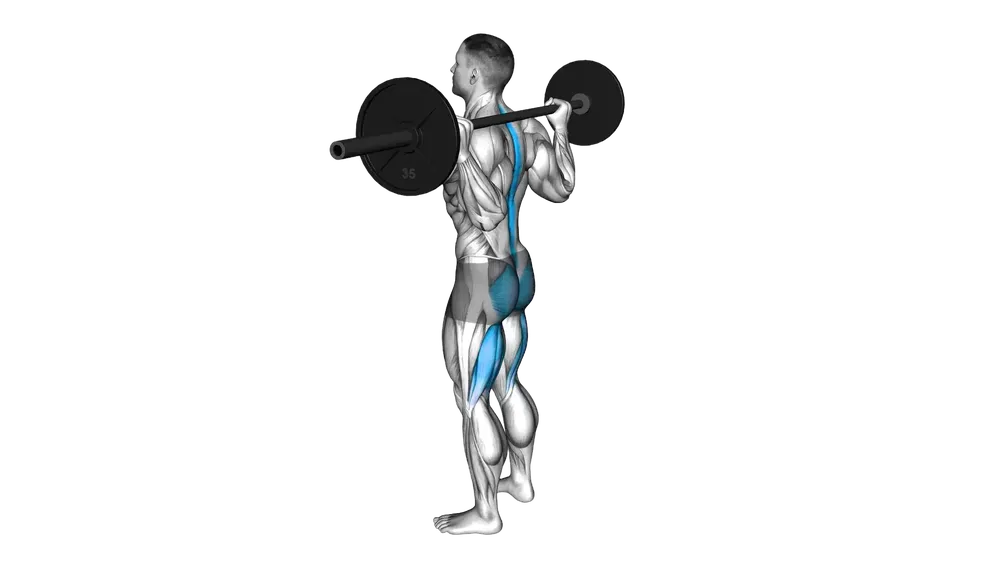
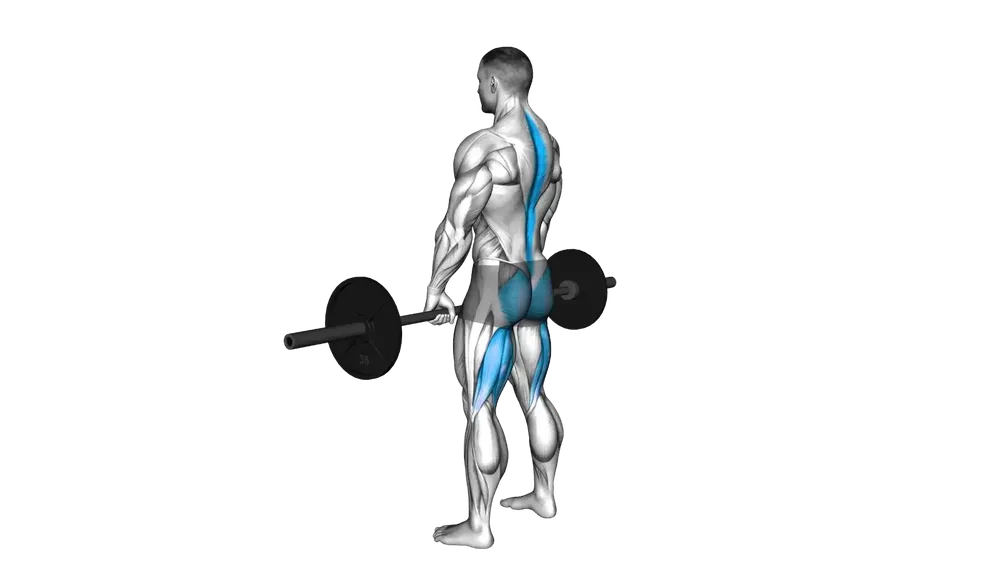
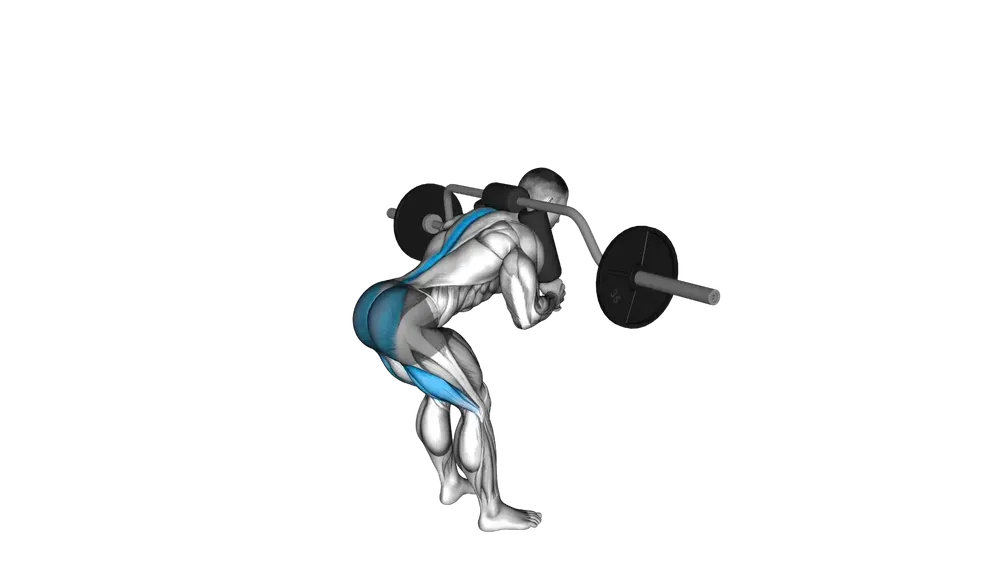
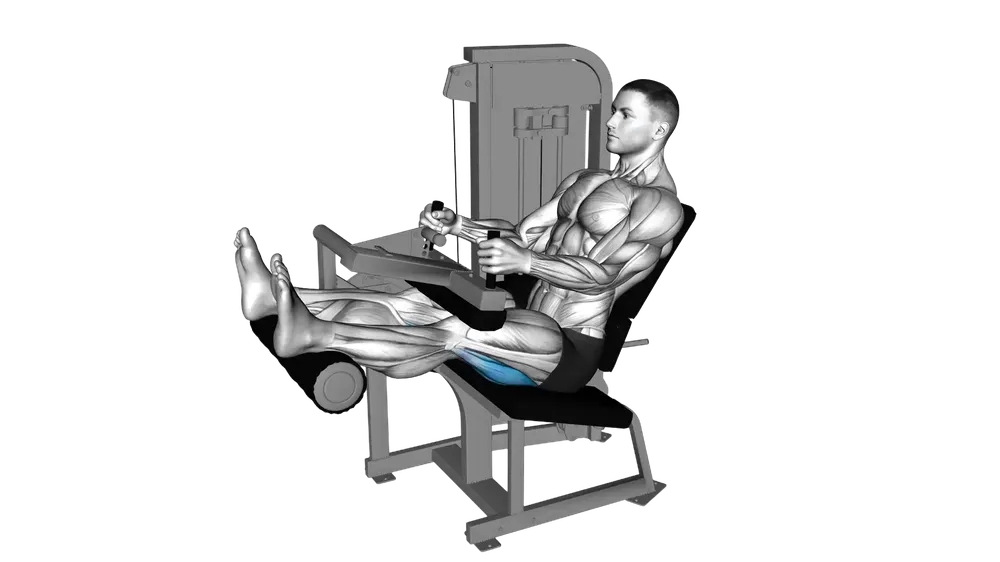
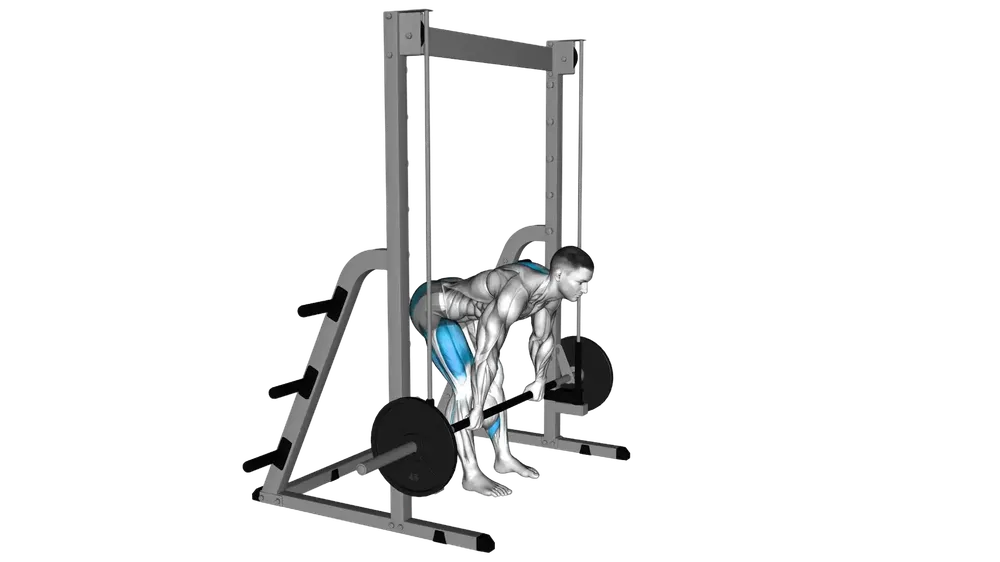
Loads up your hamstrings, glutes, and lower back as one chain.
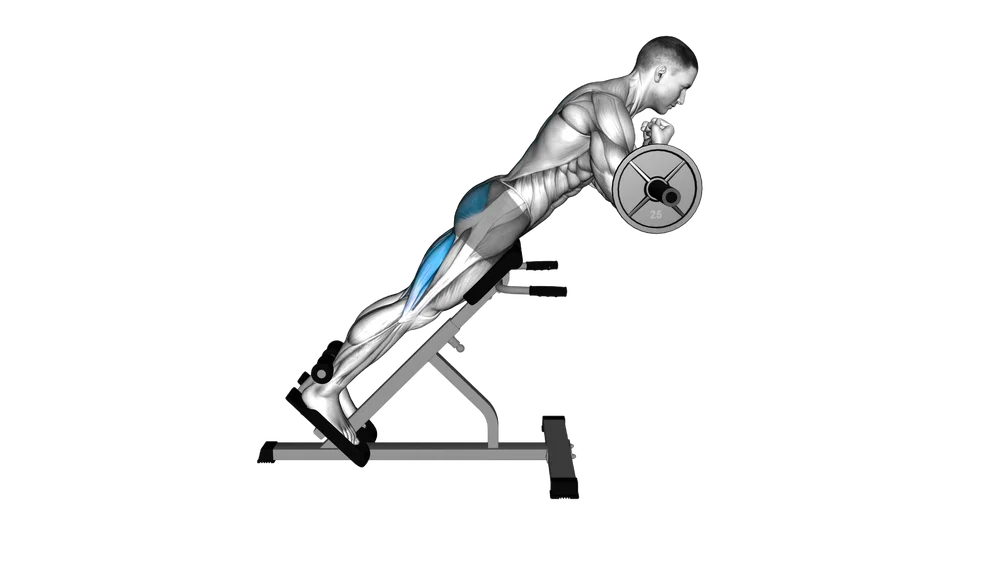
Stop at a straight line, don't hyperextend your lower back at the top.
Holding a plate to your chest on the extension bench turns a bodyweight staple into real posterior chain loading, the hips hinge over the pad while the hamstrings lengthen under stretch and then drag you back up to a straight line. Your back muscles work the whole time to keep the spine flat, which is what makes this such honest hinge practice. It earns its place as deadlift accessory work that builds the same muscles with a fraction of the systemic fatigue.
With the weight at your chest and a flat back, the stretch and drive should live mostly in your hamstrings and glutes, with the back working to hold position. If your lower back is doing all of it, you are rounding down and arching up instead of hinging at the hips.
Start with a plate you can control for 10 to 12 slow reps, hugged to your chest. Progress gradually, the stretch position under load is potent, and going too heavy too fast turns clean hinges into lower back grinding.
Because past straight is hyperextension, which shifts stress from muscle to the joints of your lower spine. A straight body line is a complete rep, squeeze there and go back down into the stretch.