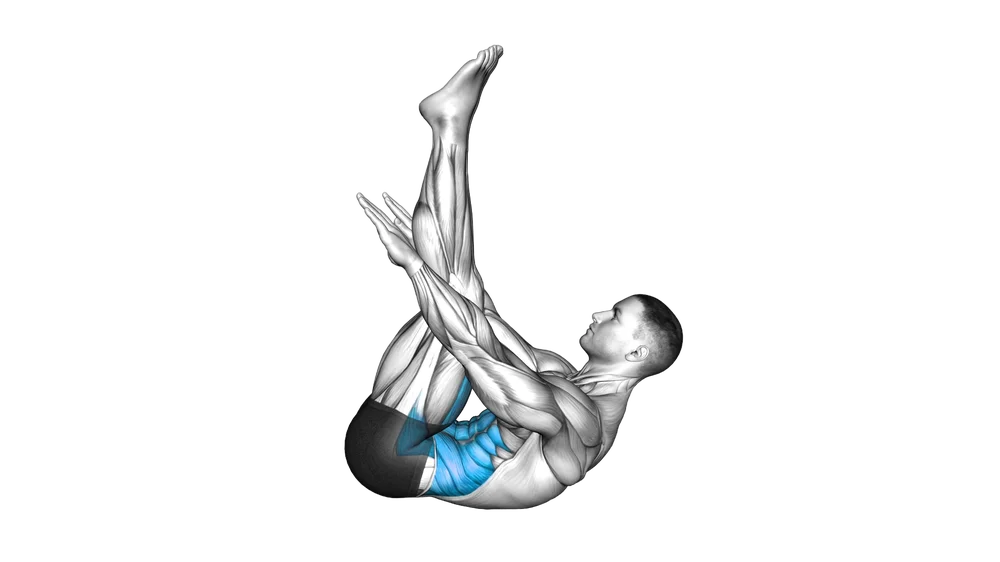
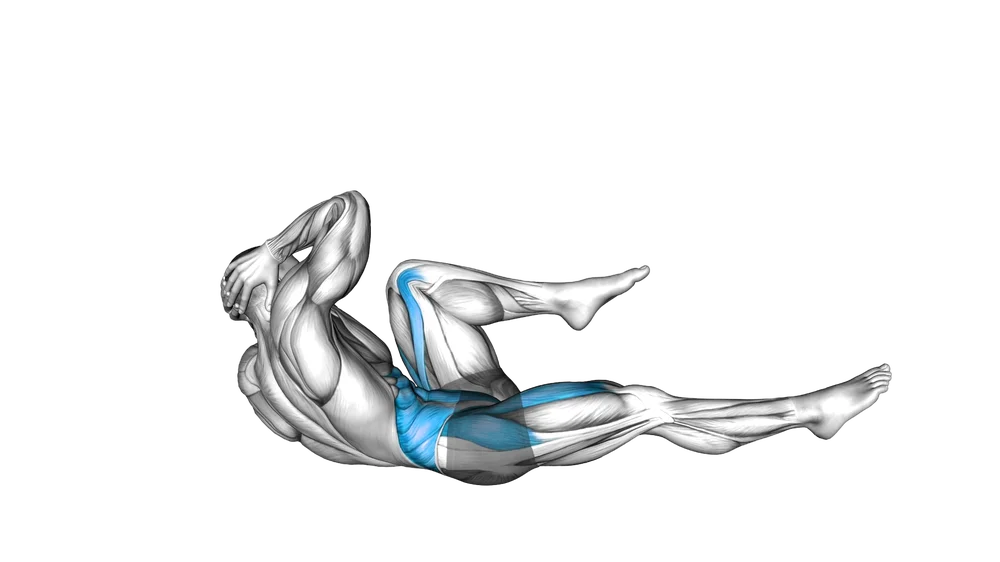
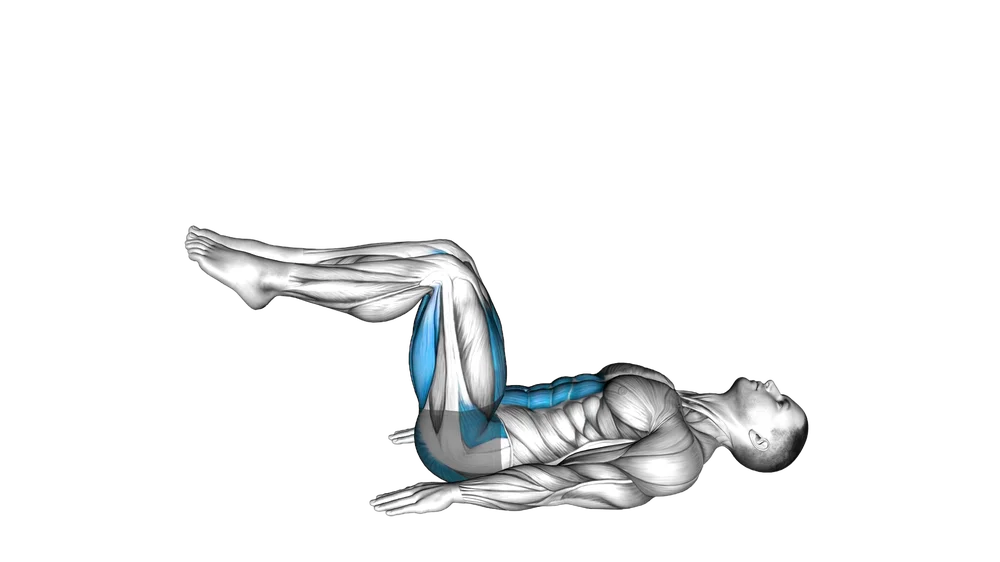
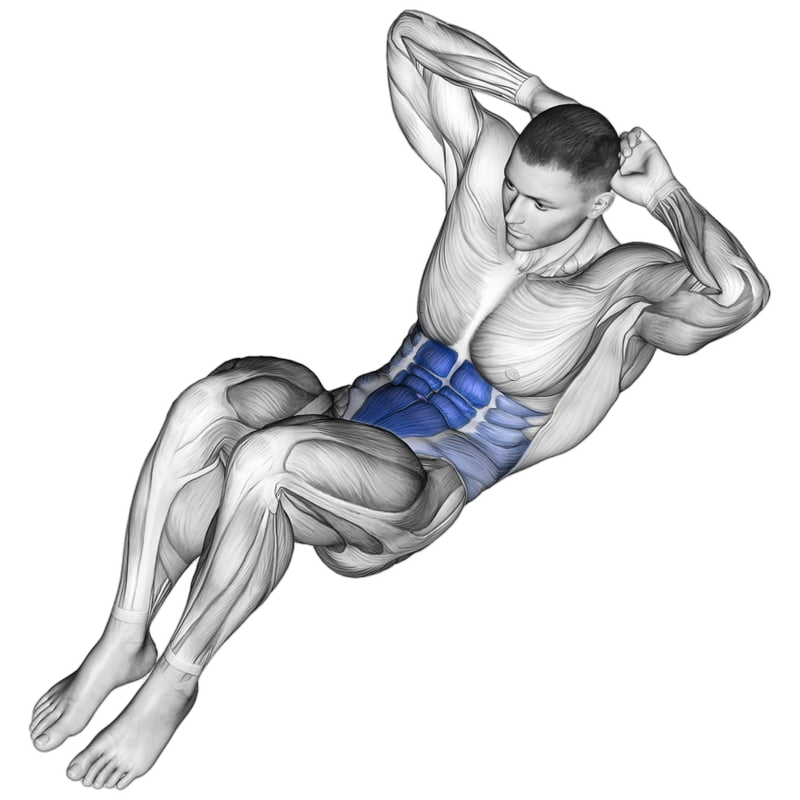
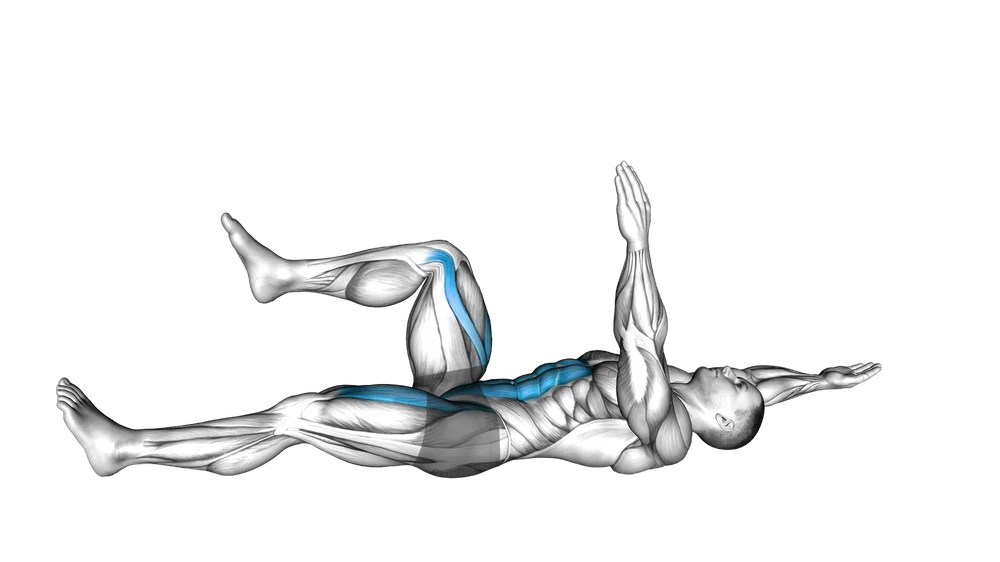
Stillness is the workout. Hold the line.
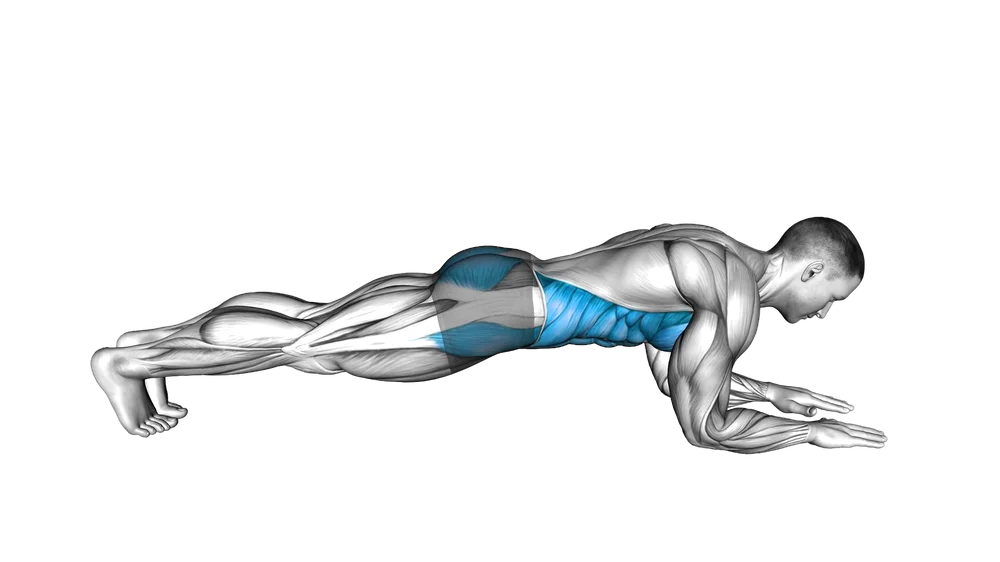
Don't let your hips sag or pike up. Keep a flat line from head to heels.
The plank trains your core to do its real job, holding your spine dead still while everything around it wants to sag. Bracing your abs and squeezing your glutes into one straight line from head to heels loads the entire midsection isometrically, no reps, just time under tension. It's the base layer of core strength that makes squats, presses and everyday bracing feel solid.
Aim for 30 to 60 seconds of perfect line. When a minute feels easy, make the plank harder instead of longer, endless holds past that point train patience more than abs.
Your hips are sagging and your lower back is picking up the slack. Tuck your hips, squeeze your glutes hard, and end the set the moment your straight line breaks.
They train different things. Planks teach the core to resist movement, which is what it does under a bar, crunches train it to create movement. Planks first for a strong base, then add the rest.