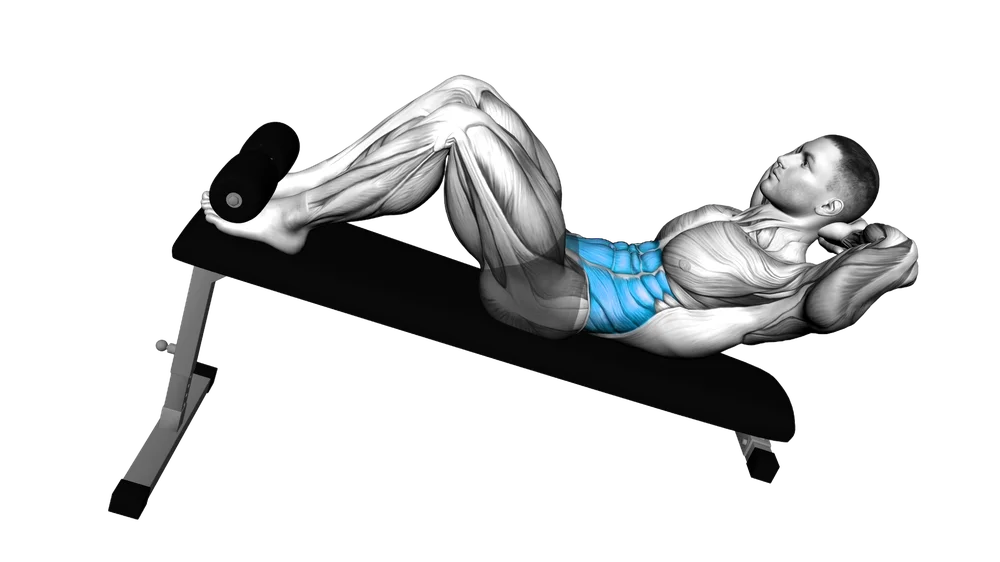
Anti-rotation core control that protects your spine.
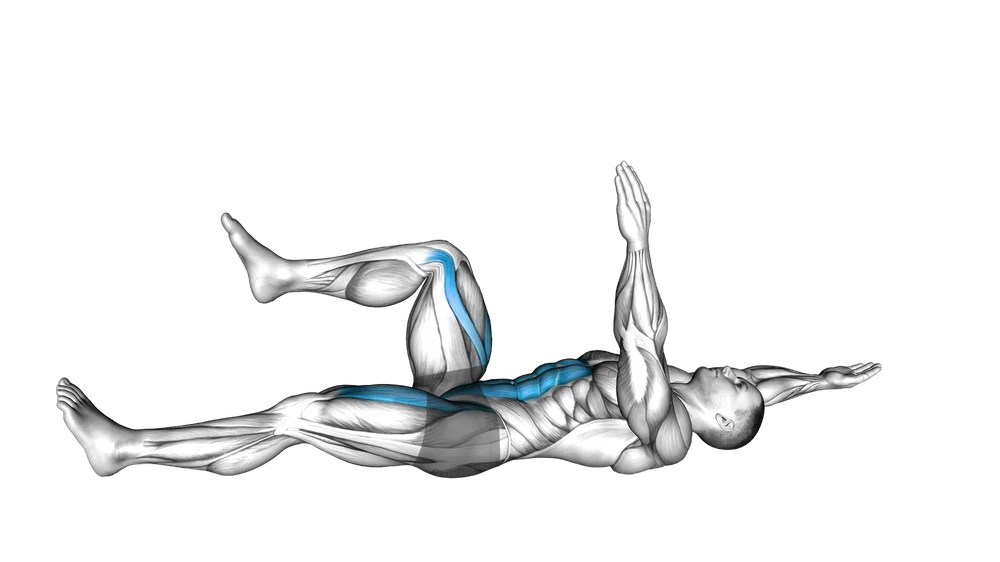
Move slow and keep your back glued to the floor. The second it arches, you've lost it.
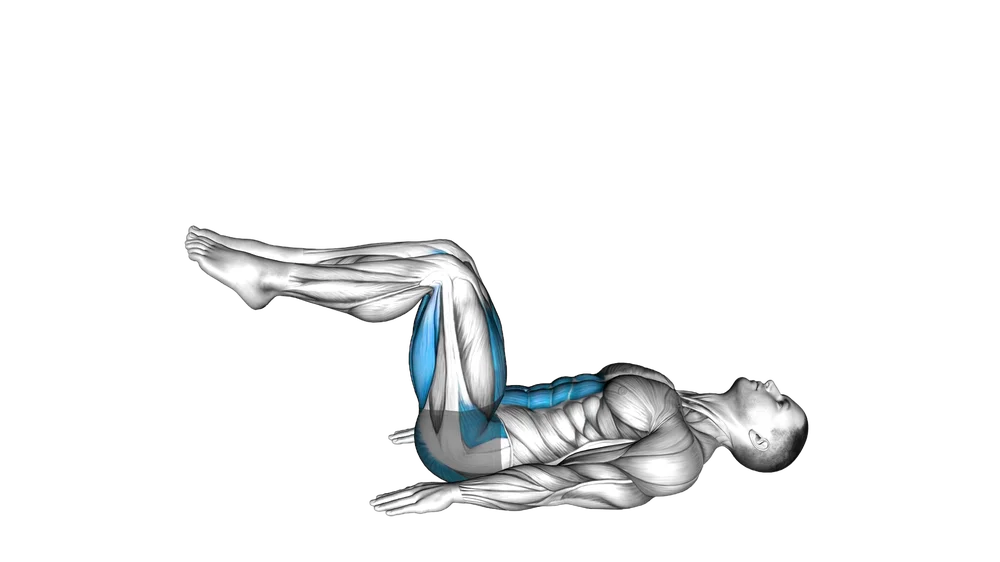
The dead bug trains your core to do its actual job, keeping your spine still while your limbs move. Extending an opposite arm and leg tries to drag your lower back into an arch, and the deep core has to win that fight on every single rep. It is the safest serious core drill there is, which is why it anchors everything from rehab programmes to heavy lifters' warm-ups.
If it feels easy, your back is arching. Press your lower back into the floor hard, exhale as the limbs extend and move slowly. Done honestly, it lights up the deep core within a few reps.
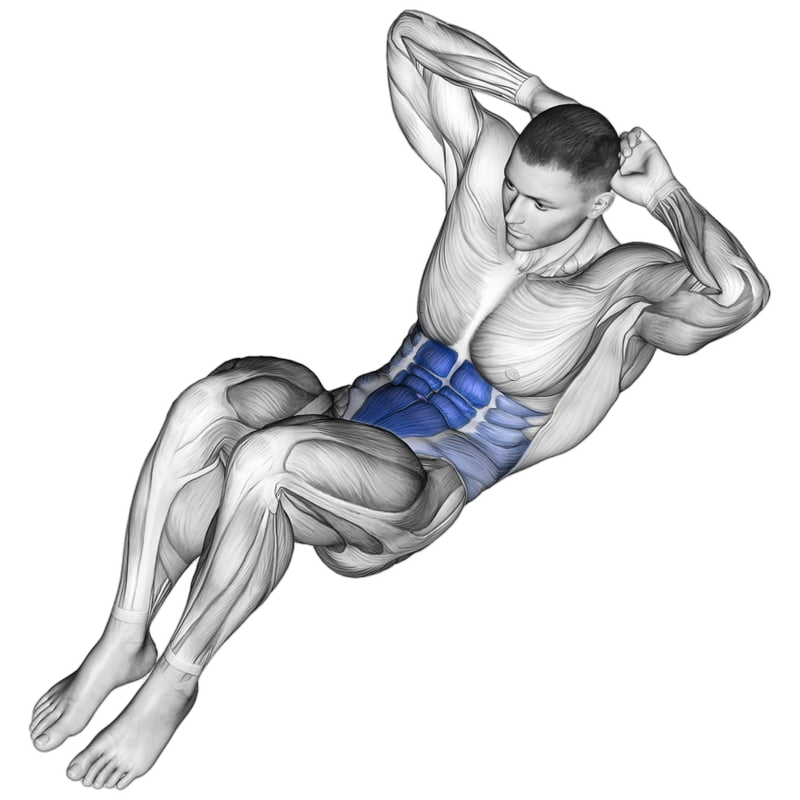
They do different jobs. Crunches flex the spine to work the abs through movement, while dead bugs train the core to resist movement. The anti-arch work of the dead bug carries over more to squats, deadlifts and overhead pressing.
Slow everything down, pause with the arm and leg hovering above the floor, or exhale fully in the extended position. Tempo delivers more here than any added resistance ever will.