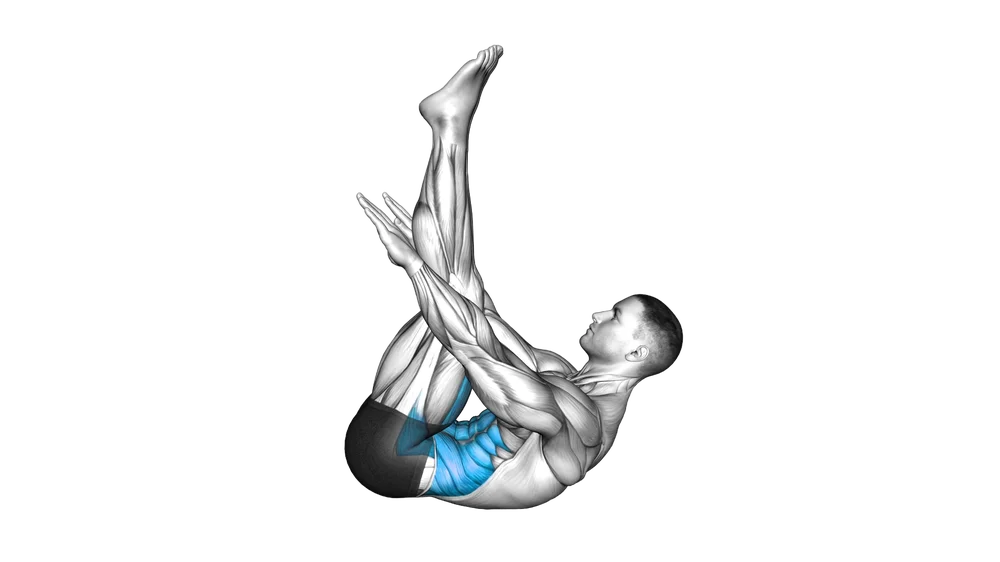
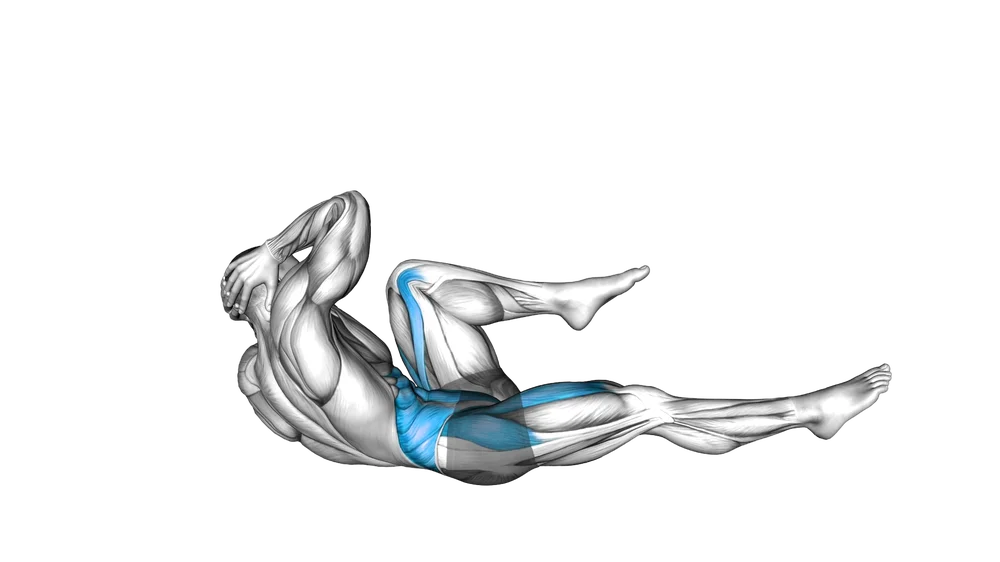
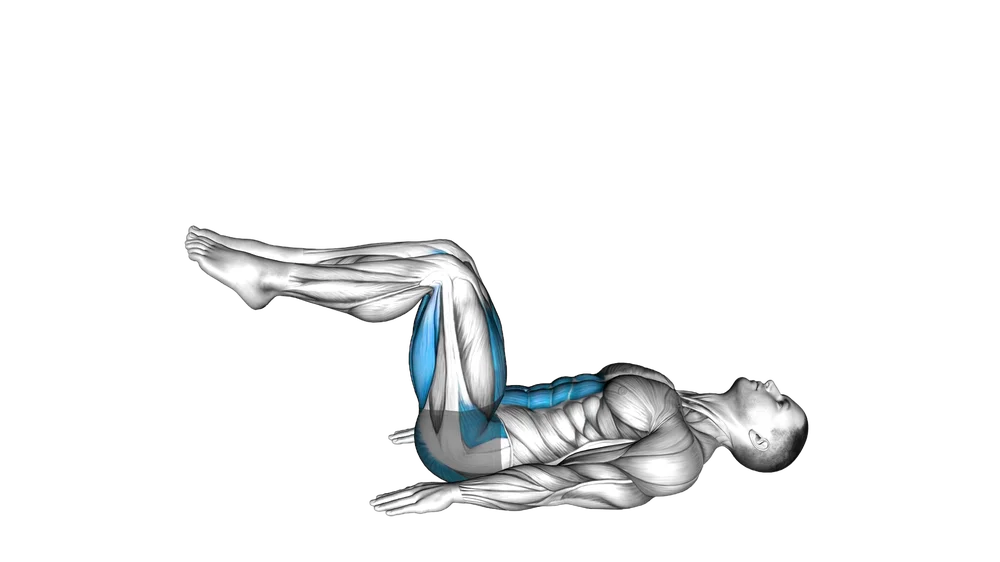
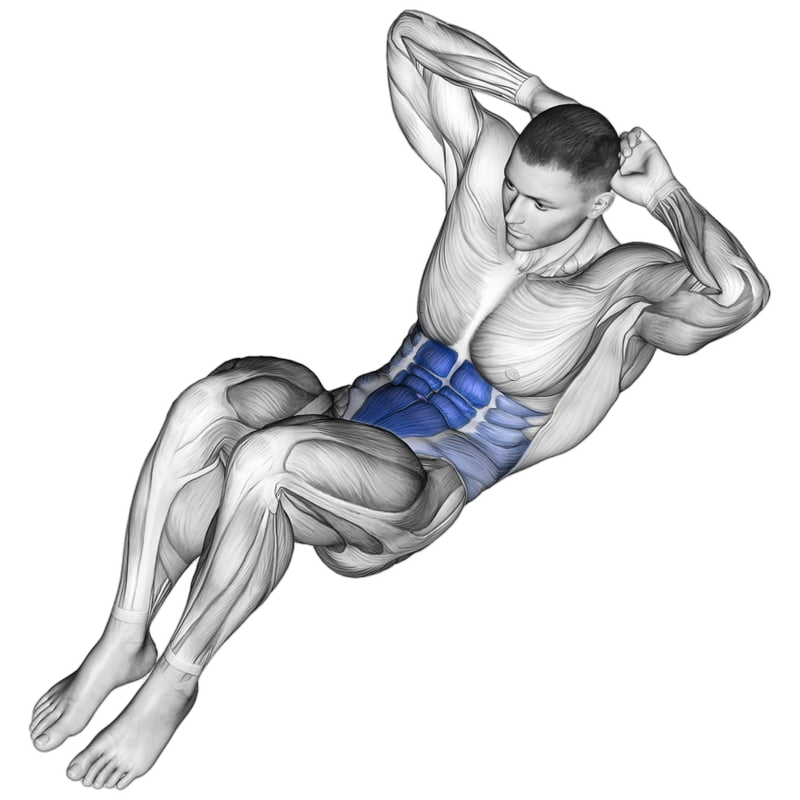
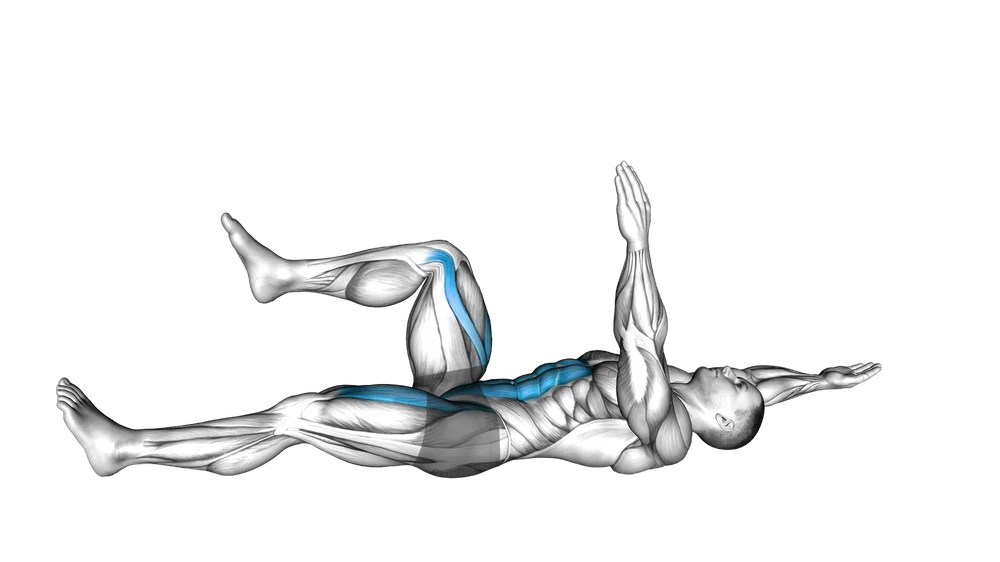
Straight legs on the bars for serious lower-ab work.
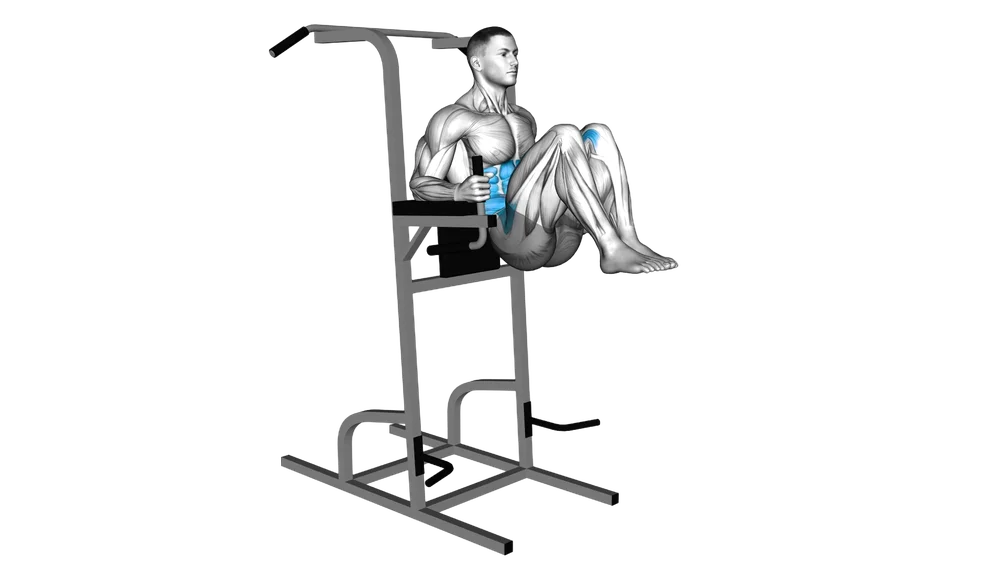
Tip your pelvis up at the top to hit the abs. Control the descent, no momentum.
Supporting yourself on the bars adds a hidden layer to the leg raise, the shoulders and arms hold the body locked in place while the abs lift two straight legs against gravity through a long arc. The pelvic tuck at the top is what separates it from a hip flexor swing, curling the pelvis up is the moment the abs actually shorten. It earns its place as a step between floor raises and hanging work, all of the lower-ab payoff with a stable base under you.
Yes, the locked-arm support removes the grip demand and most of the body swing that makes hanging raises chaotic. That stability lets you focus purely on the abs, which makes the bars the perfect stepping stone toward the hanging version.
Lower slowly instead of dropping the legs, and pause for a beat at the bottom of every rep. Swinging is stored momentum from a rushed descent, kill the speed on the way down and the swing disappears.
Raise with bent knees first, driving them to chest height with the same pelvic tuck at the top. Straighten the legs a little more each week as the abs and hip flexors adapt, the movement pattern stays identical.