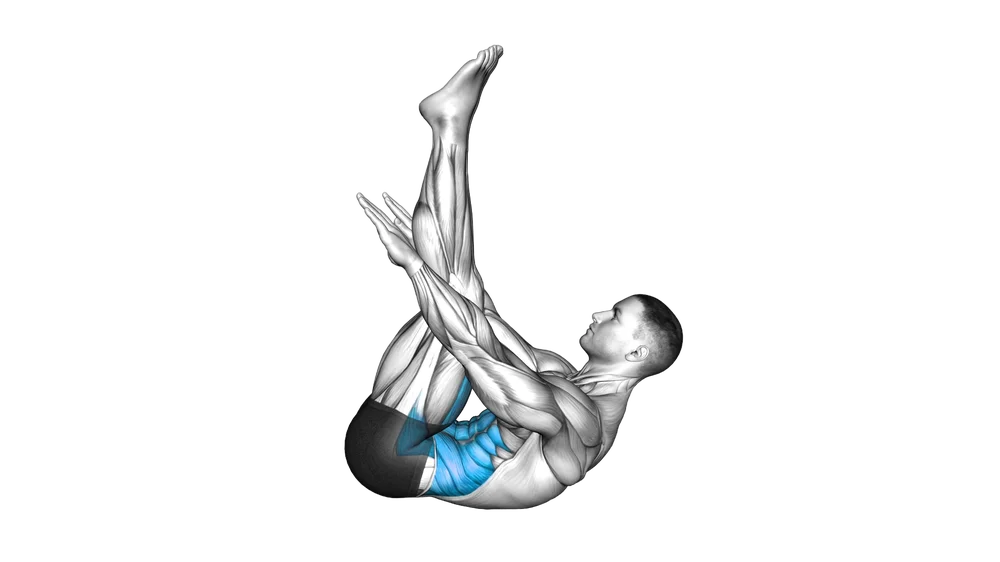
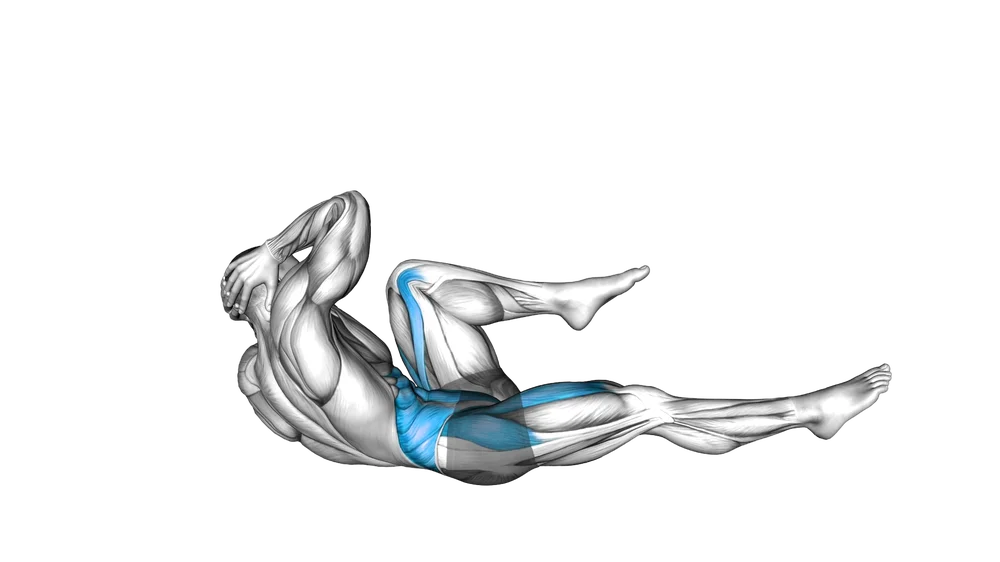
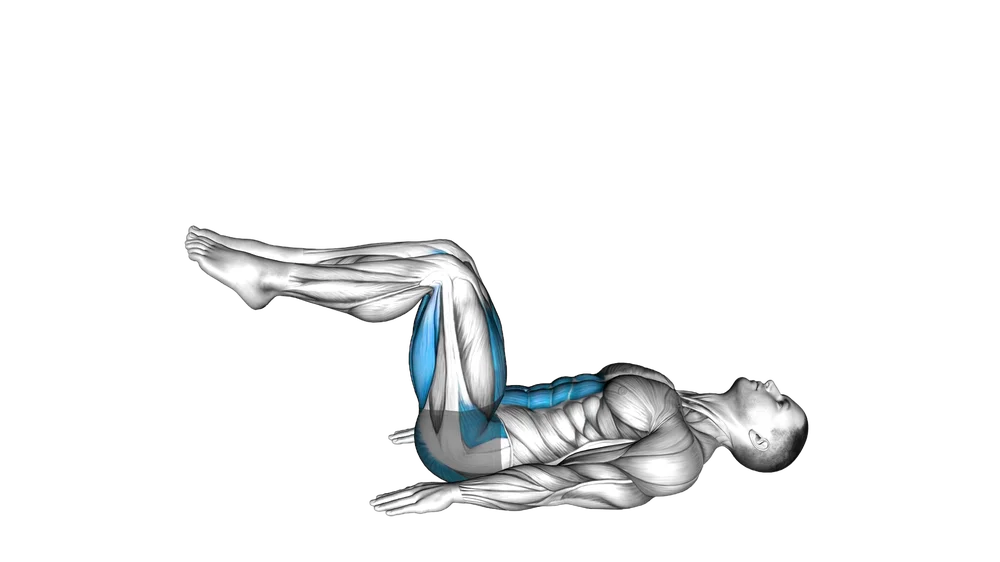
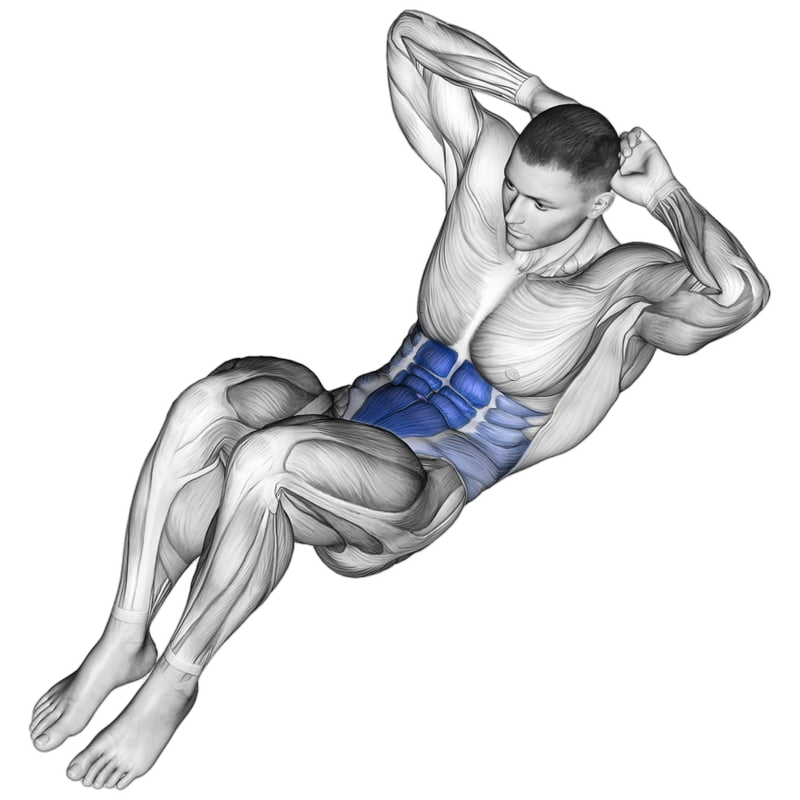
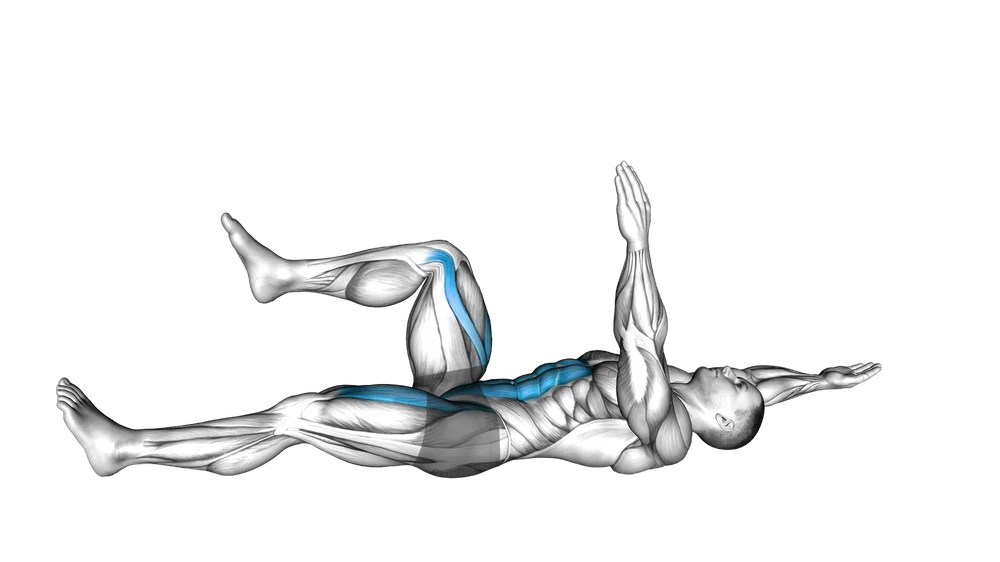
Abs of steel and a flex you can show off anywhere.
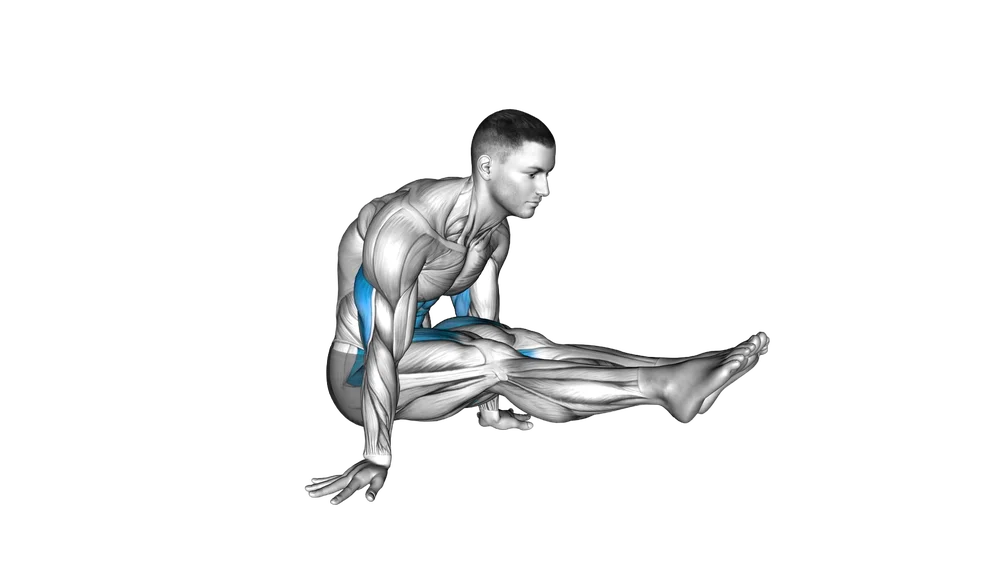
Push your shoulders down and lock your knees. Keep your legs dead straight.
The L-sit hold is an isometric fight, your core keeps the trunk rigid and your legs pinned out straight while your arms press the floor away for the entire duration. Every second under tension trains the abs, hip flexors and the compression strength that carries over to hanging leg raises and gymnastics work. It earns its place as a zero equipment core test you can measure in seconds, brutally honest and easy to track.
Regress until you can hold quality, tuck sit first, then one leg extended, then the full L. Accumulate 30 to 60 total seconds per session in short clean holds and extend them week by week.
Your shoulders are working hard to press down and keep you elevated, and shaking under new isometric load is normal. Push the floor away, keep the elbows locked, and the trembling fades as the position gets stronger.
Bent knees make it a tuck sit, which is a legitimate progression, not a failed L-sit. Just be honest about which one you are timing, straightening the knees roughly doubles the difficulty.