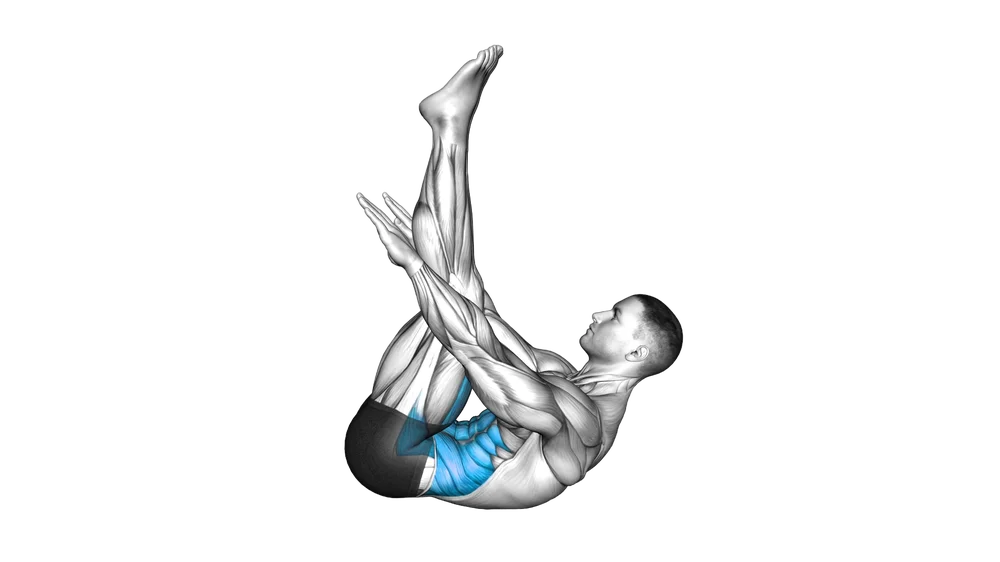
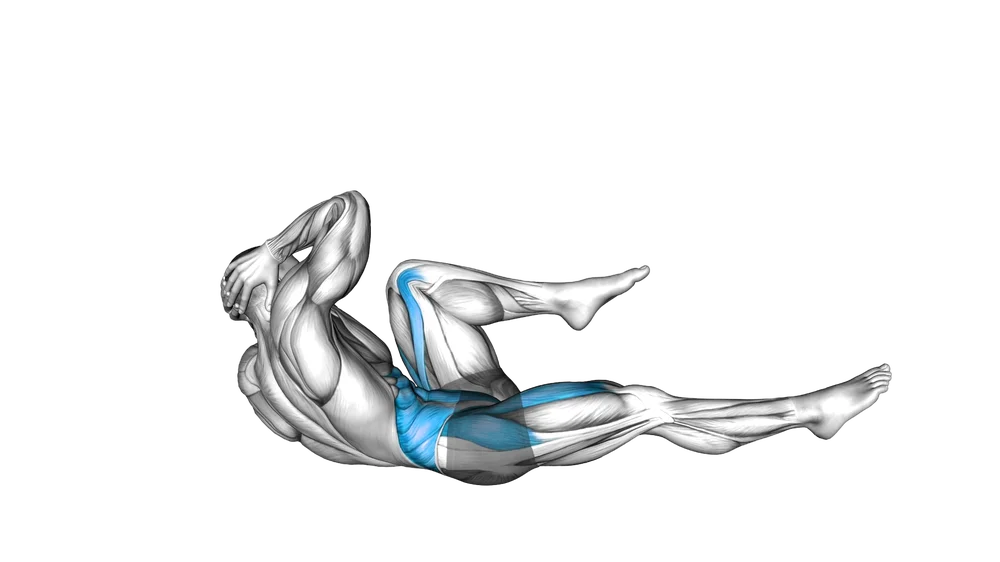
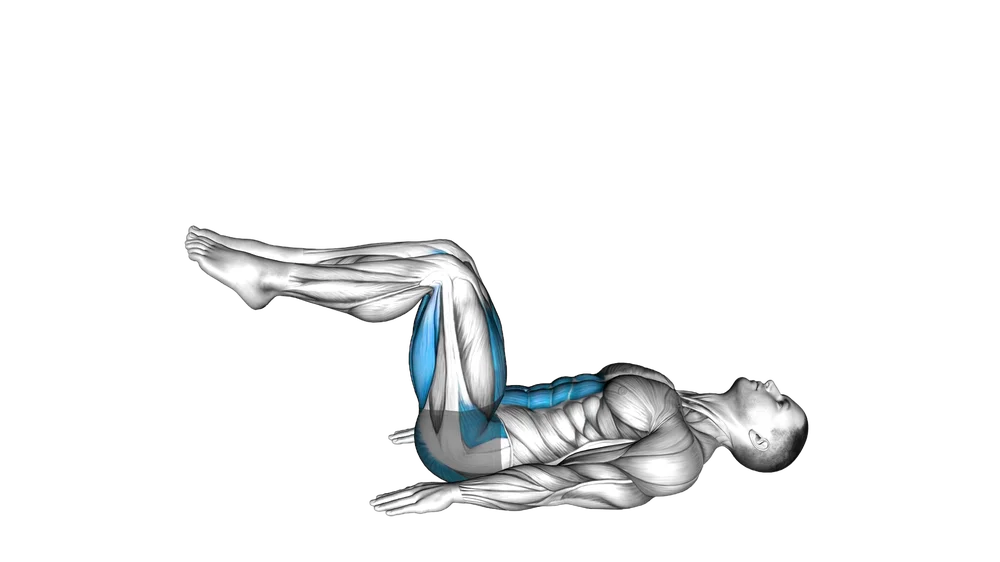
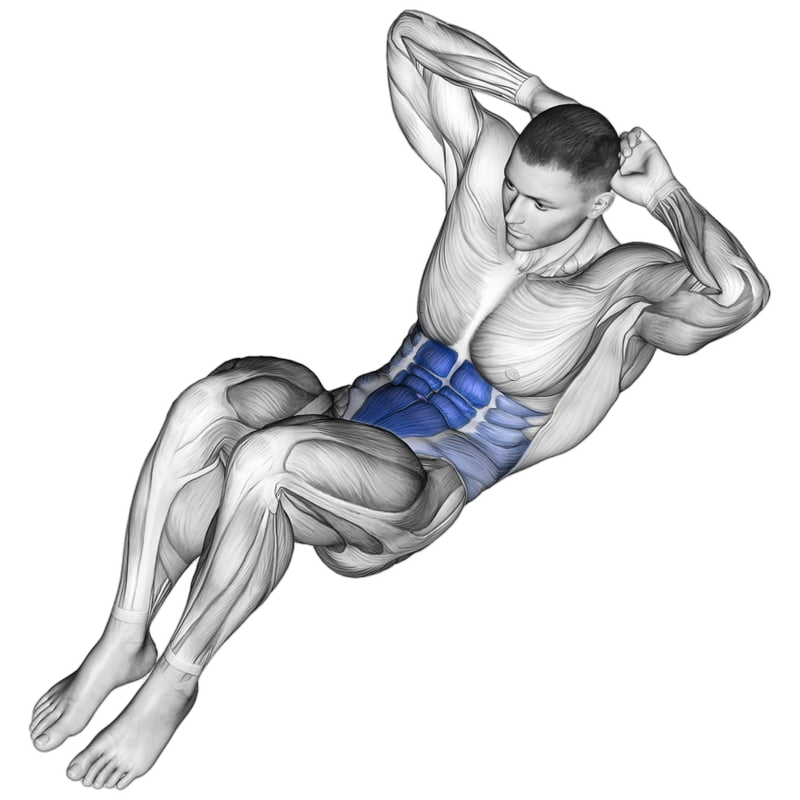
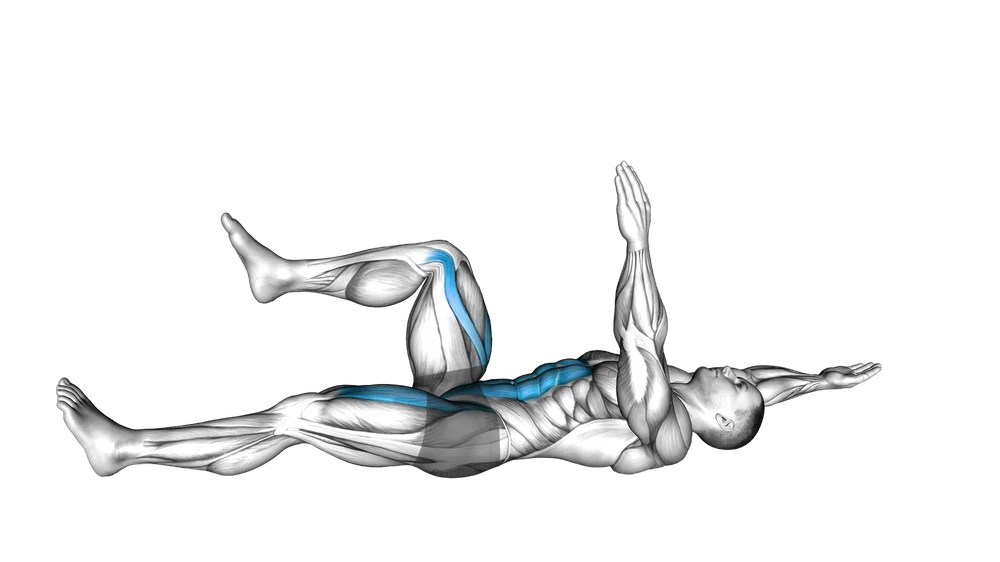
Brace on the bars and crank those knees up.
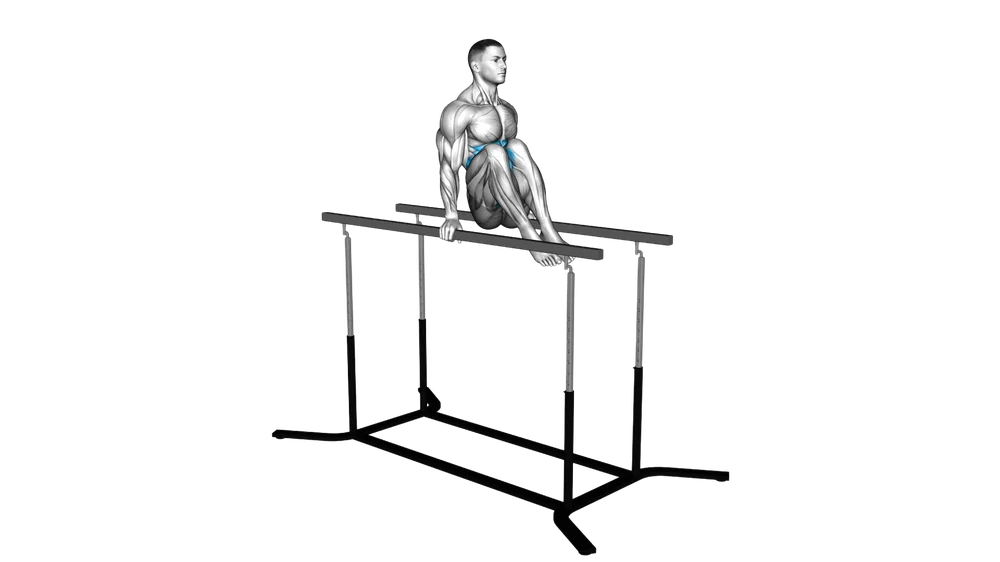
Curl your pelvis at the top instead of just bending the knees. Keep your torso steady.
Supported on locked arms, your abs pull your knees up toward your chest against the full hanging weight of your legs, and the real work is in curling the pelvis under at the top rather than just bending the hips. Holding your torso dead still on the bars adds a constant bracing demand underneath every rep. It earns its place as the natural step before toes to bar and hanging leg raises, building the same pattern with a shorter lever.
Slightly, and differently. The bar support removes the grip and shoulder hang demand, so you can focus purely on the abs, which makes it a great starting point if dead hangs cut your sets short.
You are lifting the knees without curling the pelvis. Tilt your hips under and round your lower back slightly at the top of each rep, that posterior tilt is what shifts the work onto the abs.
Slow the lowering phase first, then straighten the legs progressively toward a full L position on the raise. Straight leg raises with a controlled negative are the next rung on the ladder.