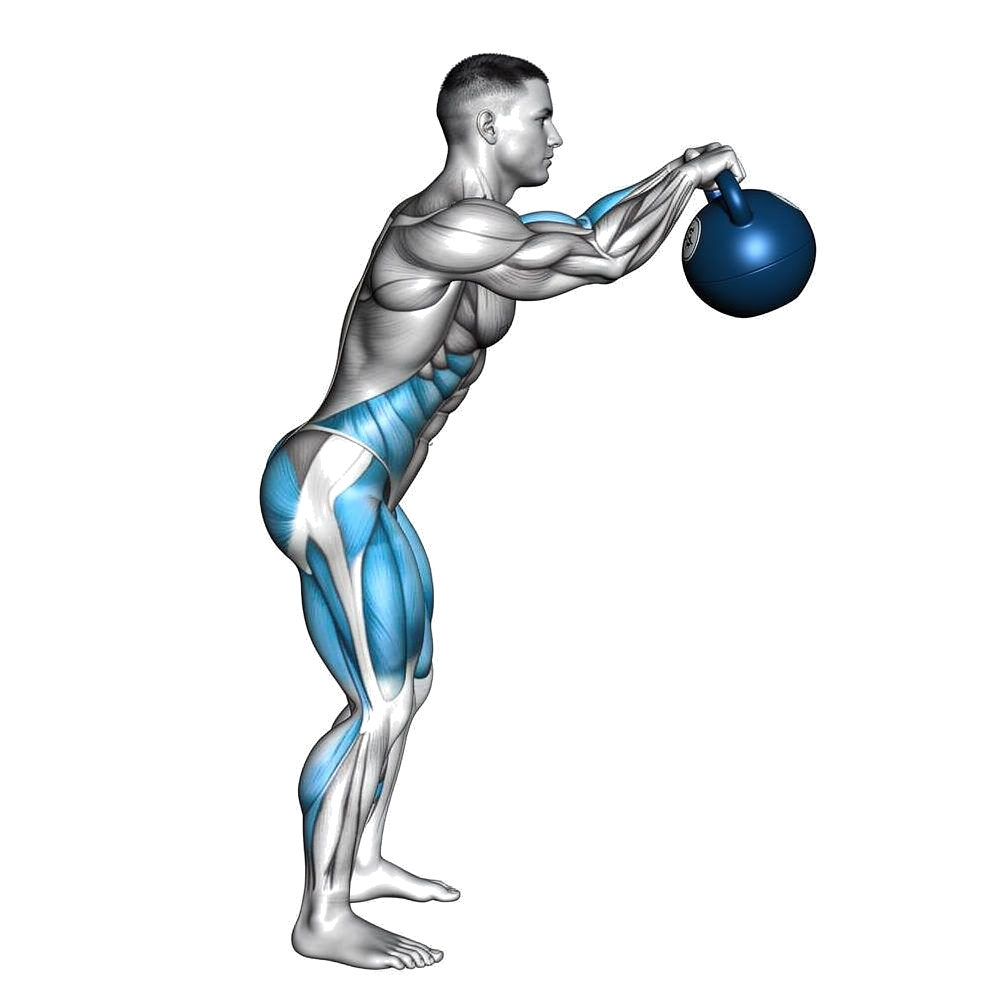
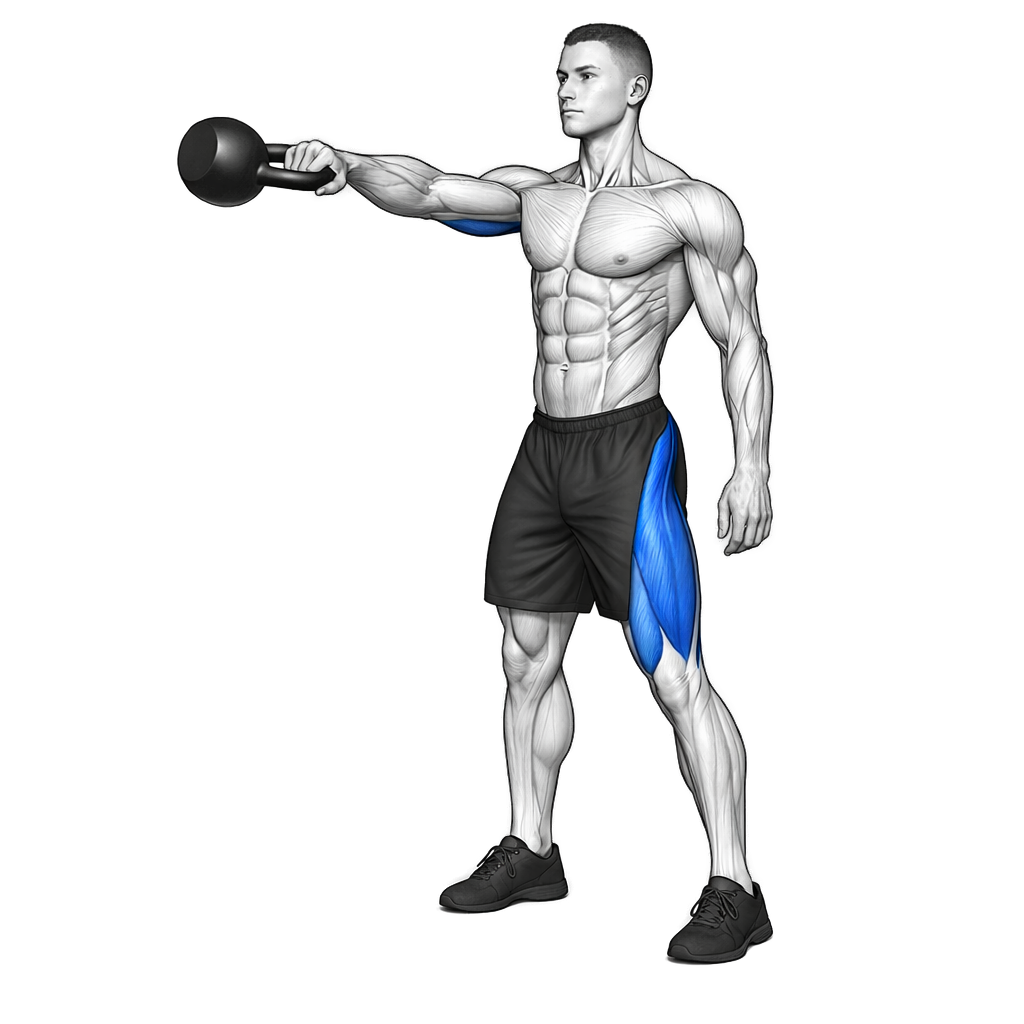
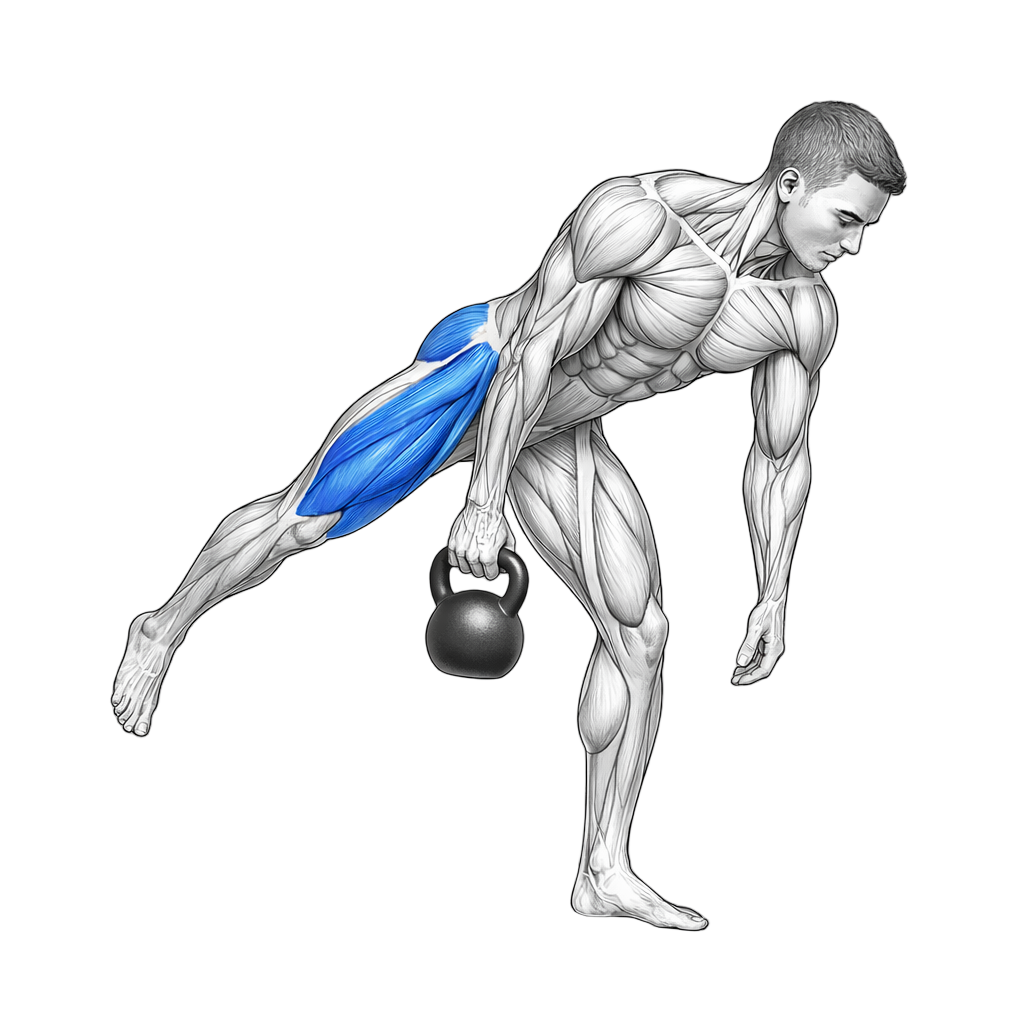
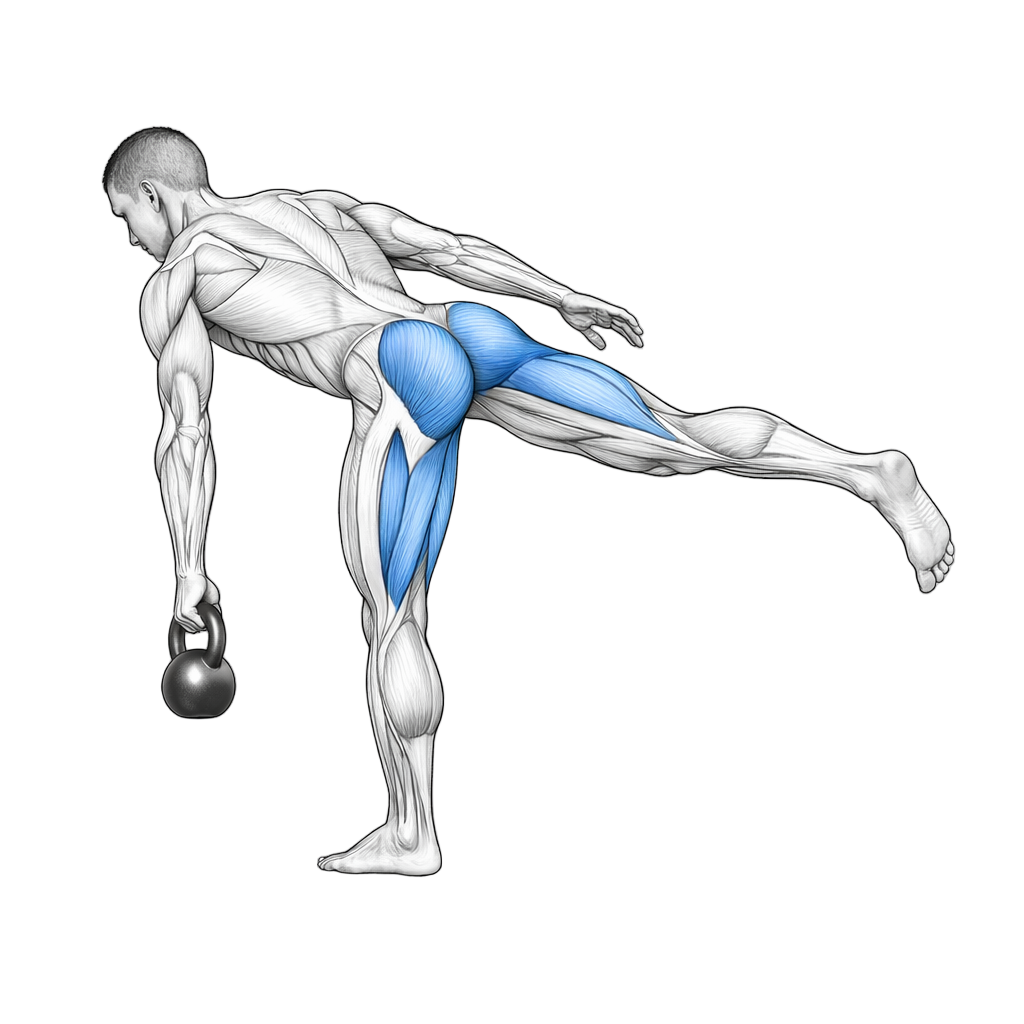
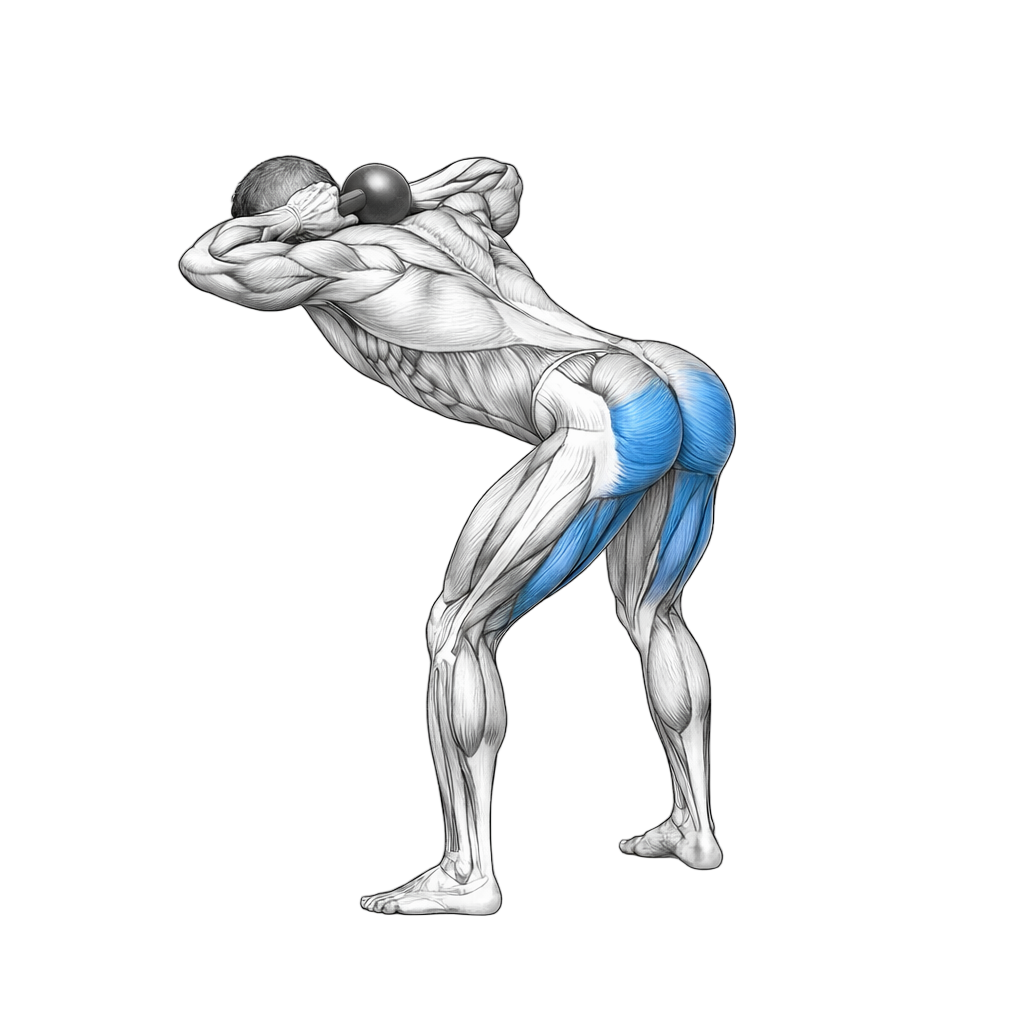
One bell at your side, anti-tilt strength baked in.
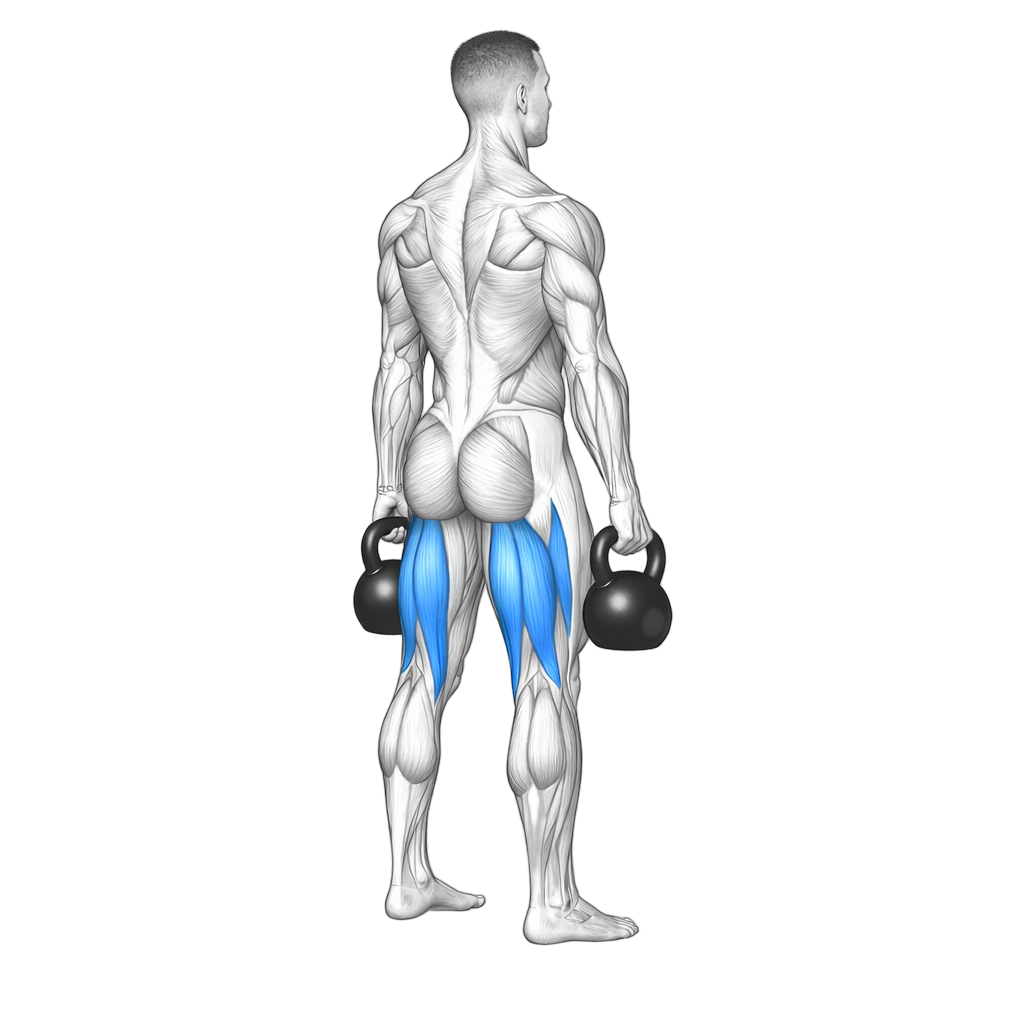
Stay perfectly level. Resist the urge to tip toward the loaded side.
The lift itself is a hinge, hamstrings loading as you reach down and glutes driving the stand, but the bell hanging at one side is what makes it special. Your body wants to tip toward the load, and refusing to lean turns every rep into anti-lateral flexion work along with the pull. It earns its place as a deadlift pattern that doubles as trunk training, and as a direct rehearsal for every one-handed carry in real life.
The load sits beside one foot instead of between both, so the lift becomes one-sided. Half the exercise is simply not tipping toward the bell, which a normal two-handed deadlift never asks of you.
Film yourself from the front or watch your shoulders in a mirror, they should stay dead level from floor to lockout. If the free side shoulder dips or hikes, drop the weight until you can stay square.
Yes, they teach the hinge with a very manageable setup and build the side trunk strength most beginners lack. Start light, master level shoulders and a flat back, and progress the same way you would any deadlift.