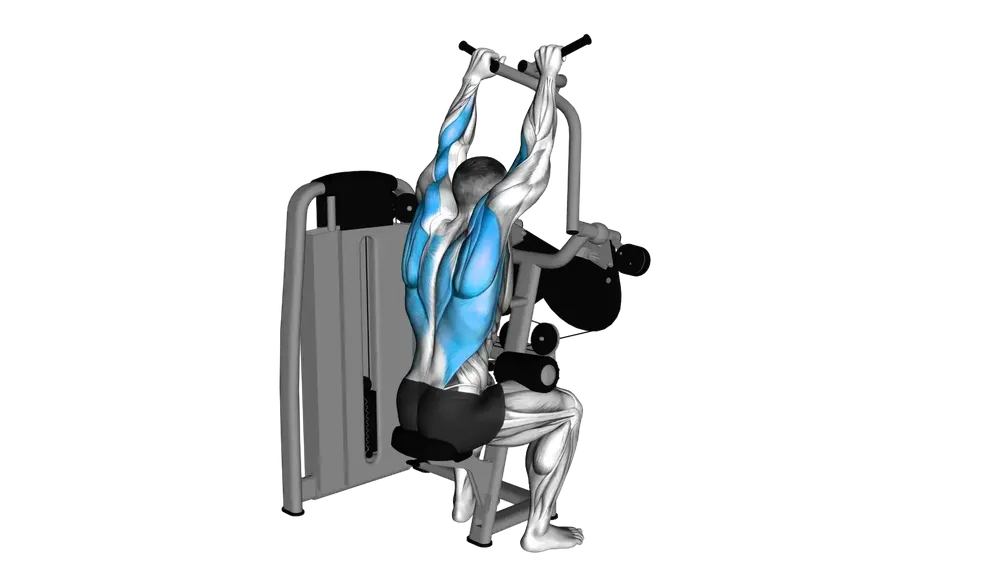
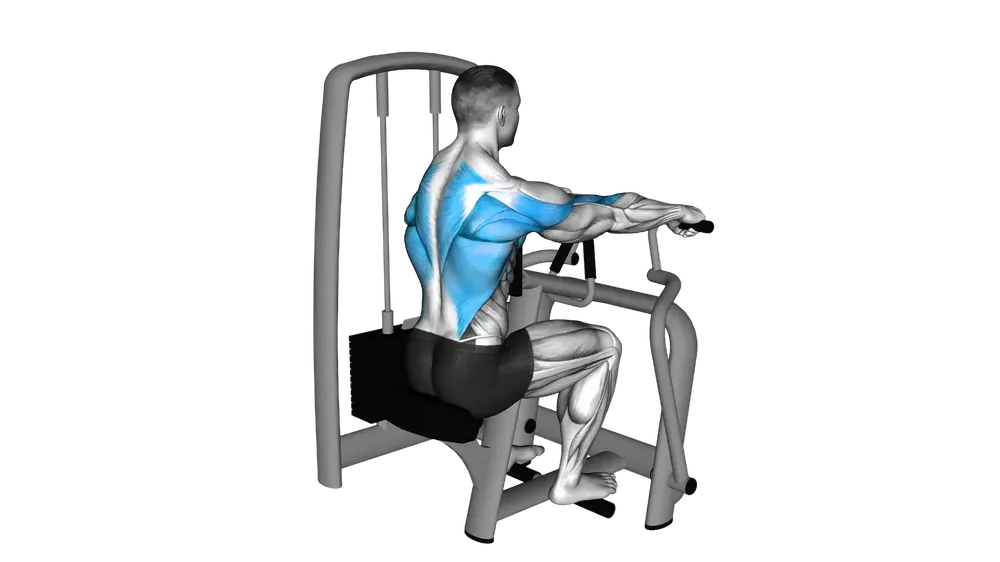
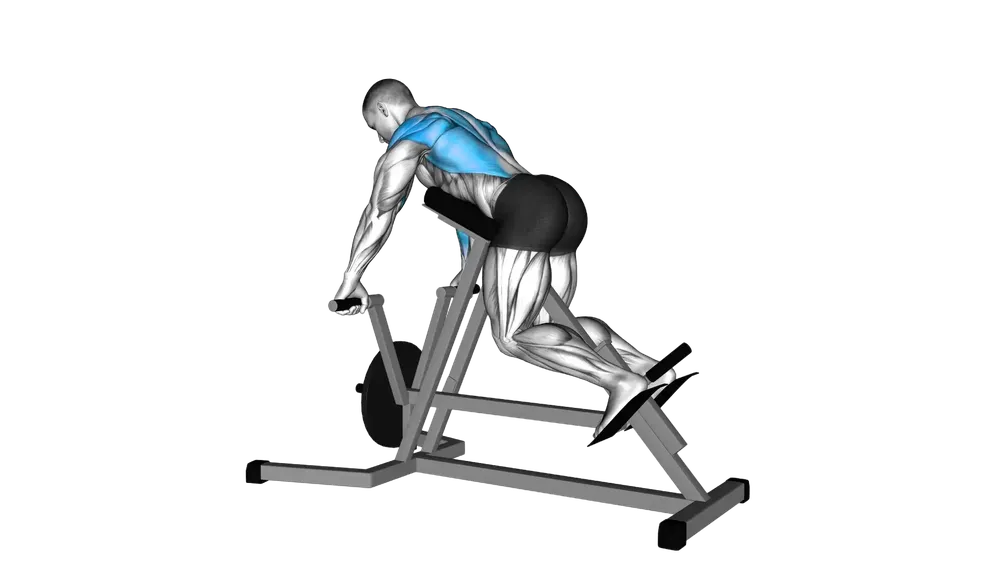
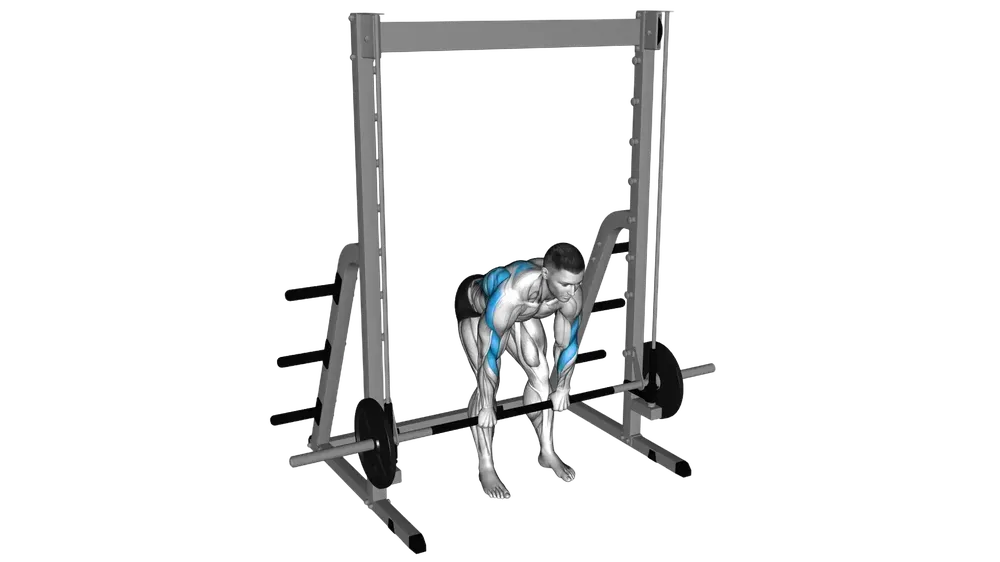
Independent-arm rowing for balanced back development.
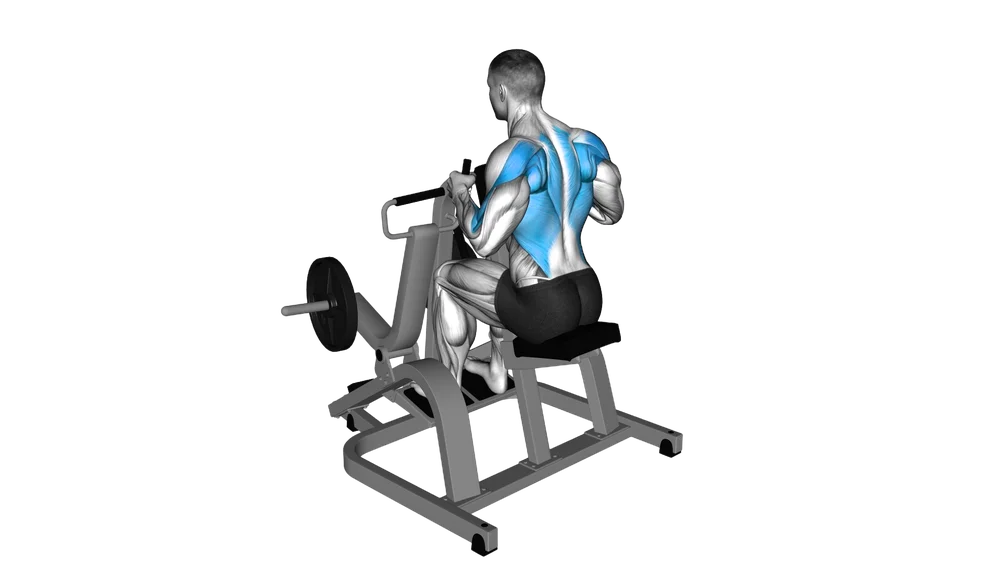
Squeeze your shoulder blades together at the back of each rep.
Independent handles mean each side of your back rows its own load along the machine's fixed path, with the chest pad holding your torso still so the pull is all back and assisting biceps. That per-arm honesty is the headline: imbalances between sides have nowhere to hide, and the converging path lets each elbow travel to a full squeeze behind you. It earns its place as the balancer in a rowing programme, the machine you go to when one lat has quietly been doing both lats' job.
Each arm gets its own handle and its own load, so the strong side cannot secretly assist. Match the weight to what the weaker side can row strictly and let the strong side coast at that load until the gap closes.
Yes, let the handle pull your arm long and your shoulder blade glide forward before each pull. That loaded stretch is a growth stimulus most rows rush past. Just keep your chest on the pad while you reach.
Different tools. The barbell row trains the whole posterior chain and lets you load heaviest, but form decays under fatigue. The machine isolates the back with support and per-arm loading, so sets can go closer to failure safely. Strong programmes usually keep both.