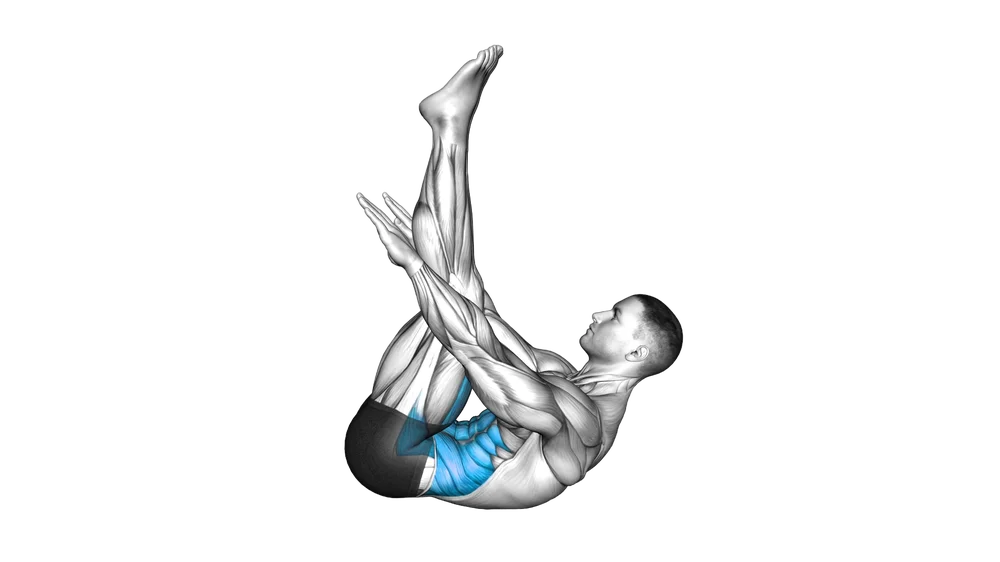
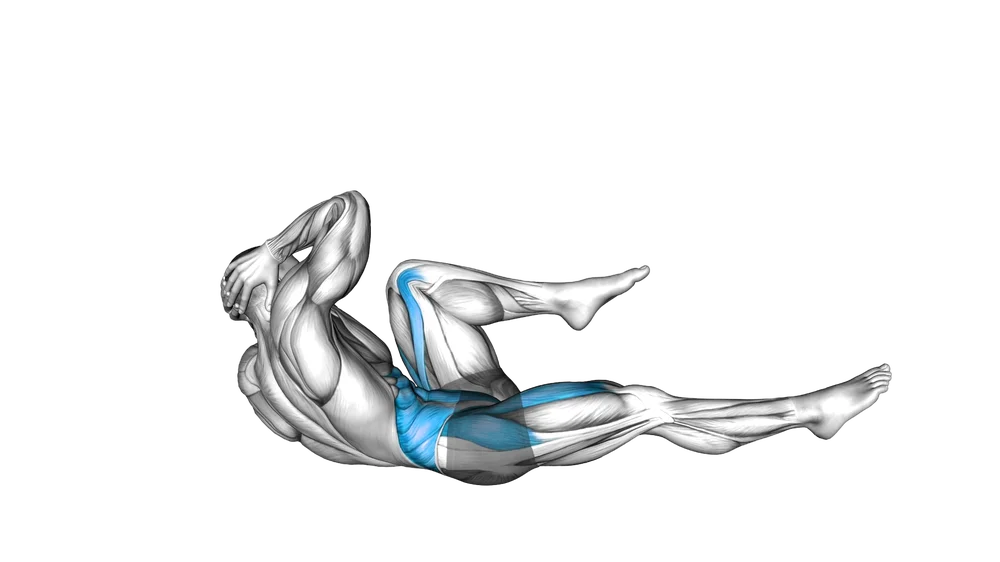
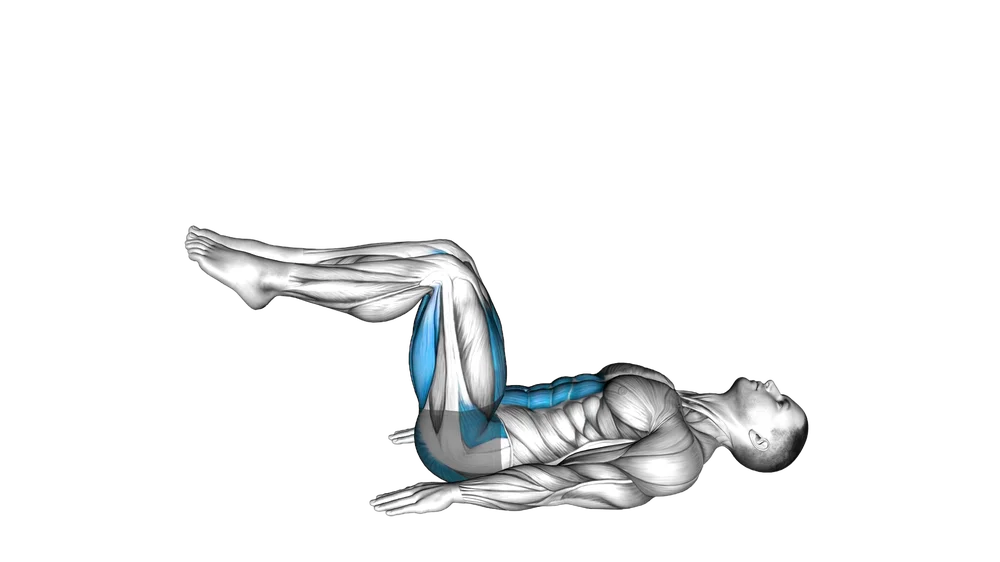
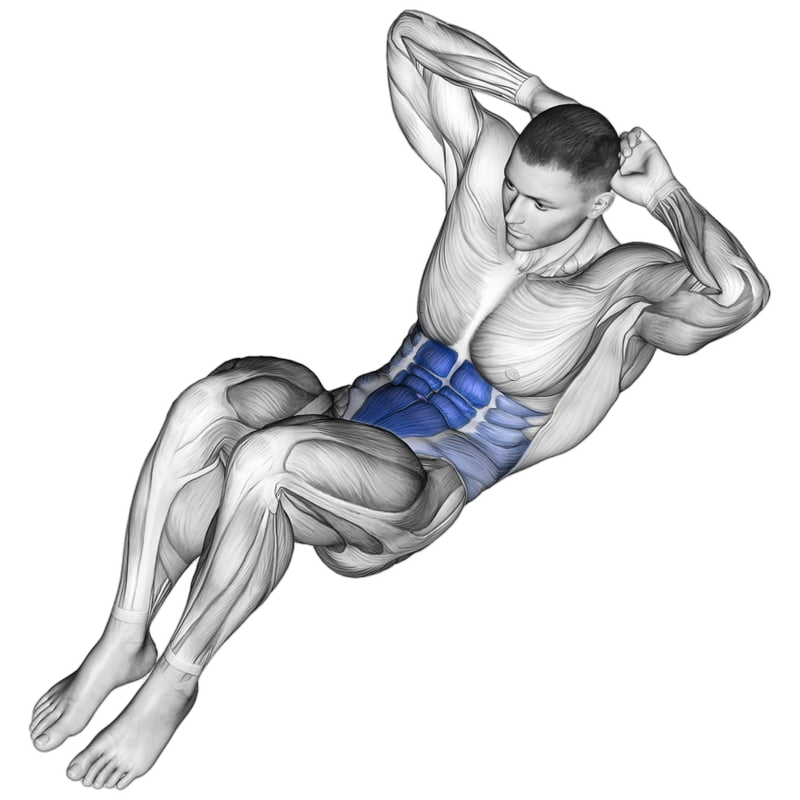
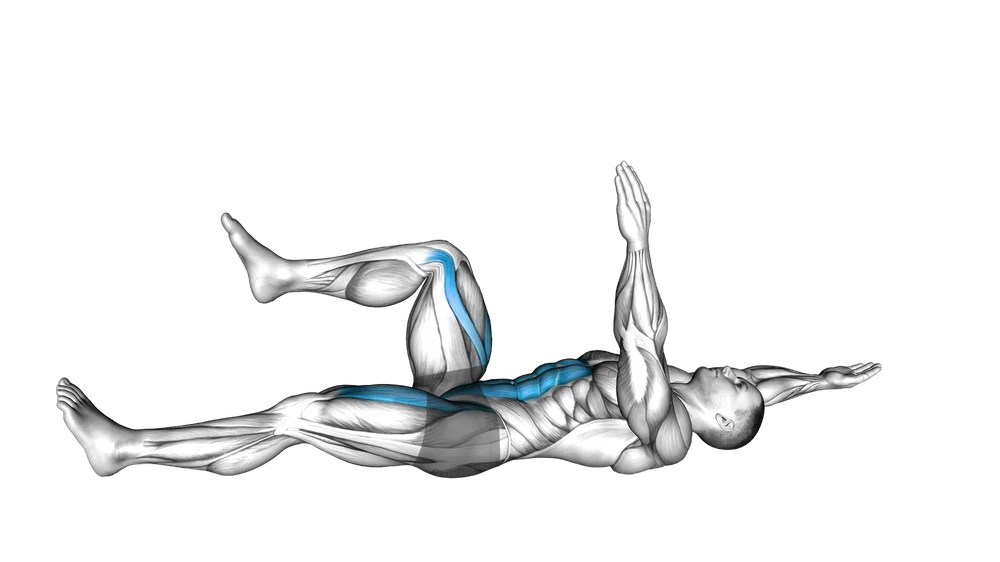
Hold the hollow, then rock for relentless tension.
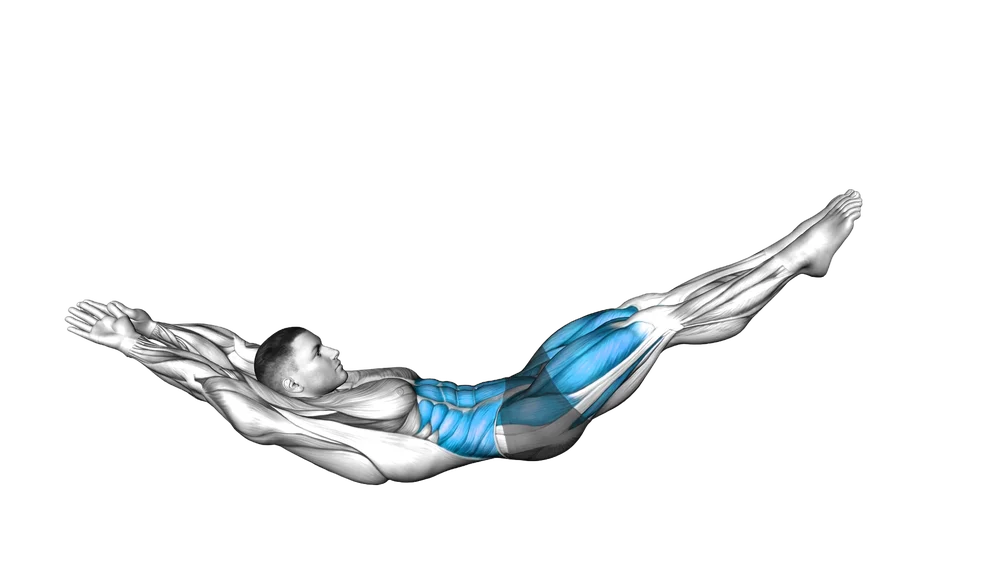
Never lose the hollow. If your lower back pops up, bring your arms or legs in tighter.
The hollow position presses your lower back into the floor and stretches your core between raised shoulders and legs; rocking adds a shifting load that the core must absorb without ever changing shape. That combination of a locked shape under moving pressure is gymnastics bread and butter, and it transfers directly to handstands, pull-up bar work and heavy pressing. It earns its place as the anti-extension drill, teaching your trunk to stay rigid exactly when fatigue and momentum are begging it to arch.
Shrink the shape. Bring your arms to your sides or bend your knees until you can rock with your lower back glued down, then lengthen gradually. A small perfect hollow beats a long broken one.
Yes. If you cannot hold a still hollow for 20 to 30 seconds with your back pressed down, rocking will just shake you out of position. Own the static shape first, then let the rock test it.
Because the hollow is the body shape underneath most gymnastics skills, and rocking proves you can keep it under disturbance. It builds the rigid midline that makes handstands, kips and swings possible.