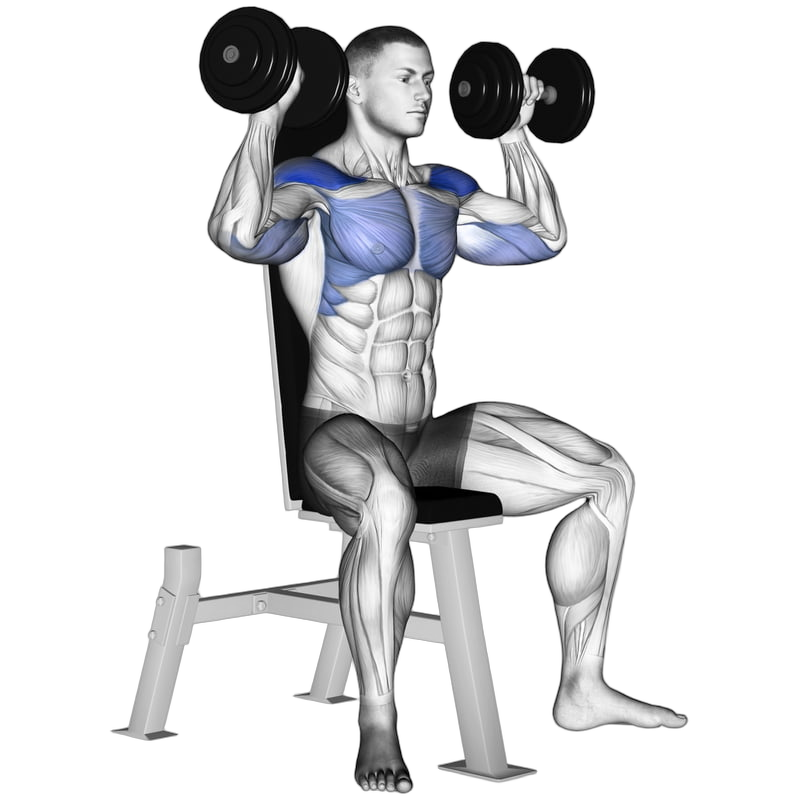
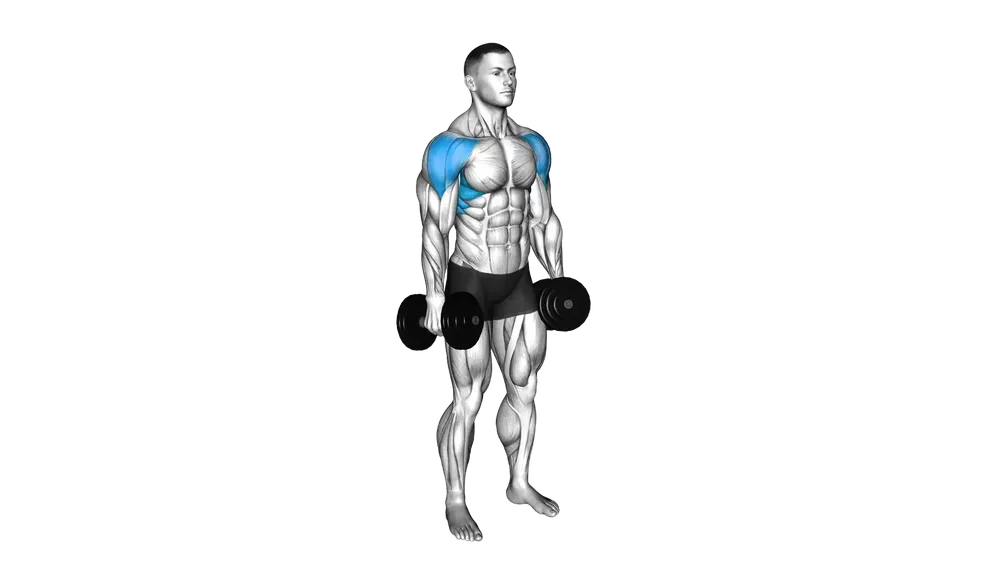
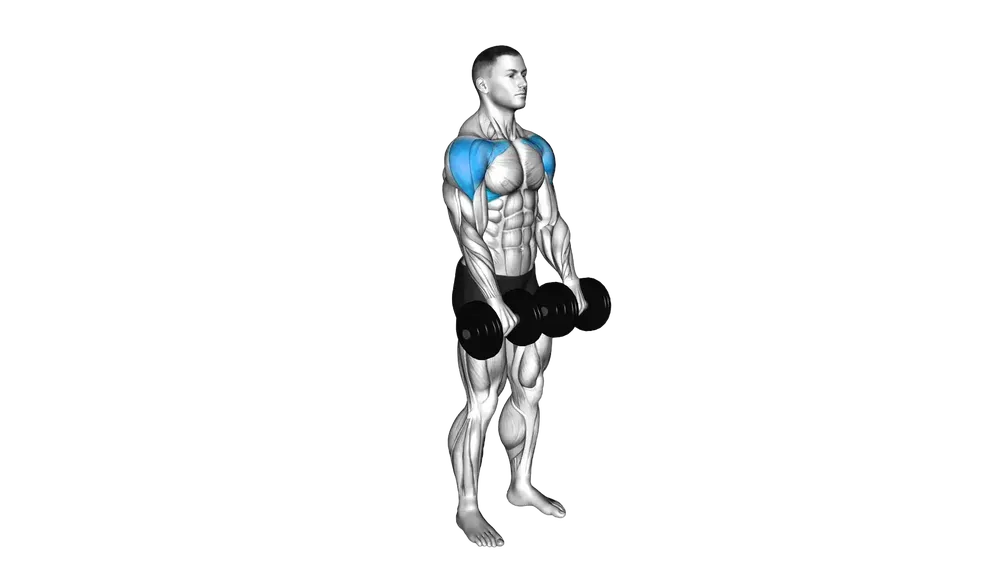
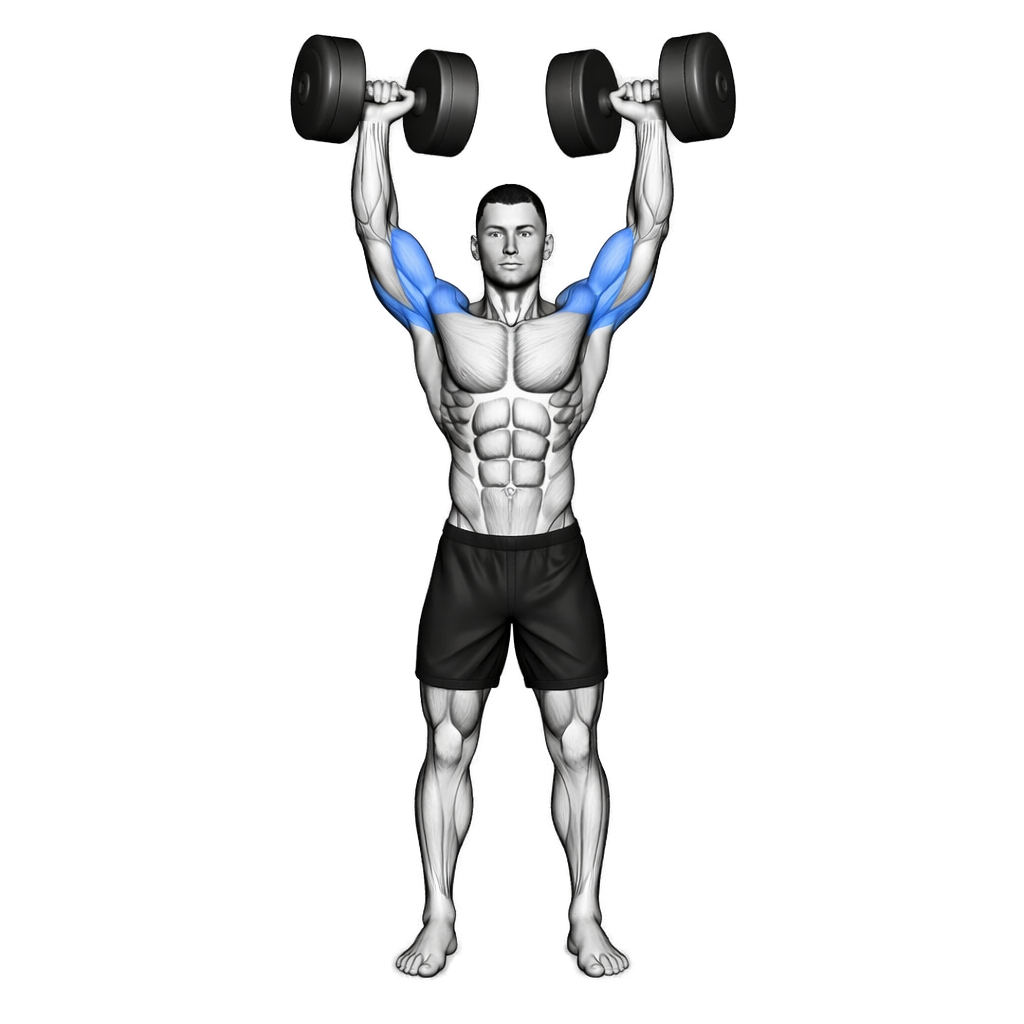
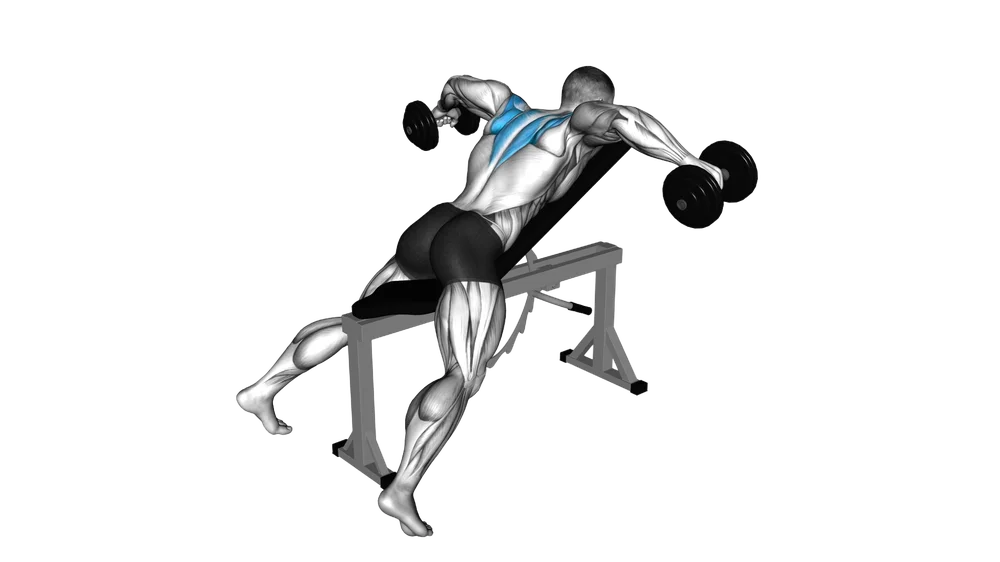
Lean away and let the side delt do all the work.
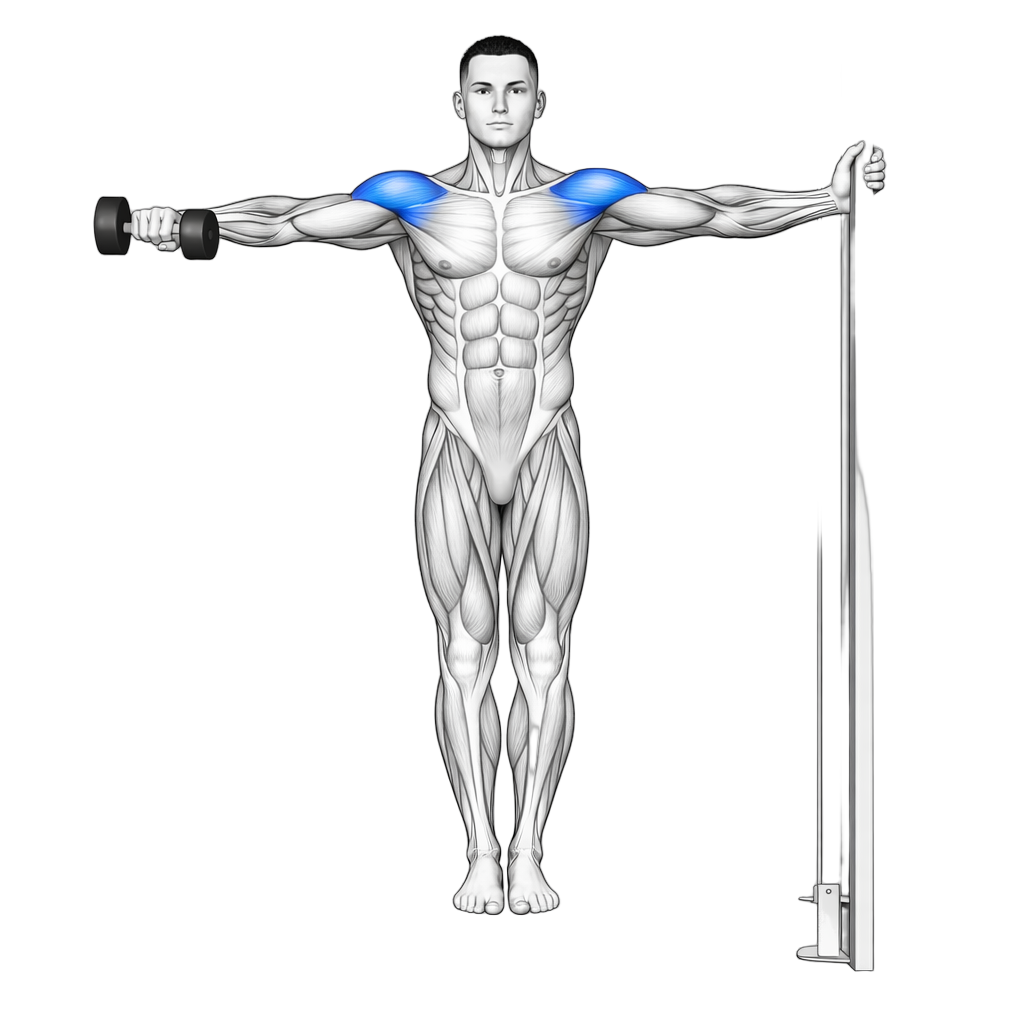
The lean gives the side delt extra range at the bottom. Stay slow and skip the momentum.
Leaning away from an upright turns gravity against your side delt from the very first degree of the raise, the exact zone a standing lateral raise leaves unloaded. Each arm works alone across your hanging bodyline, so there is no shrugging the pair up together or trading effort between sides. It is a precision tool for shoulder width, built for lifters who want the delt loaded through the entire arc.
The lean angles your body so the dumbbell is fighting gravity even at the bottom of the raise, where a standing version gives the delt a free ride. You get tension through the full range, which is why the same weight feels dramatically harder.
Lighter. The extended bottom range removes the easy portion of the rep, so expect to drop down a dumbbell size or two. If you are heaving or the arm is bending sharply, the load has beaten the exercise.
Shoulder height, with a slight bend held in the elbow. Going higher shifts the work off the side delt, and dropping fast wastes the loaded stretch the lean was set up to create. Slow on the way down is where this one pays out.