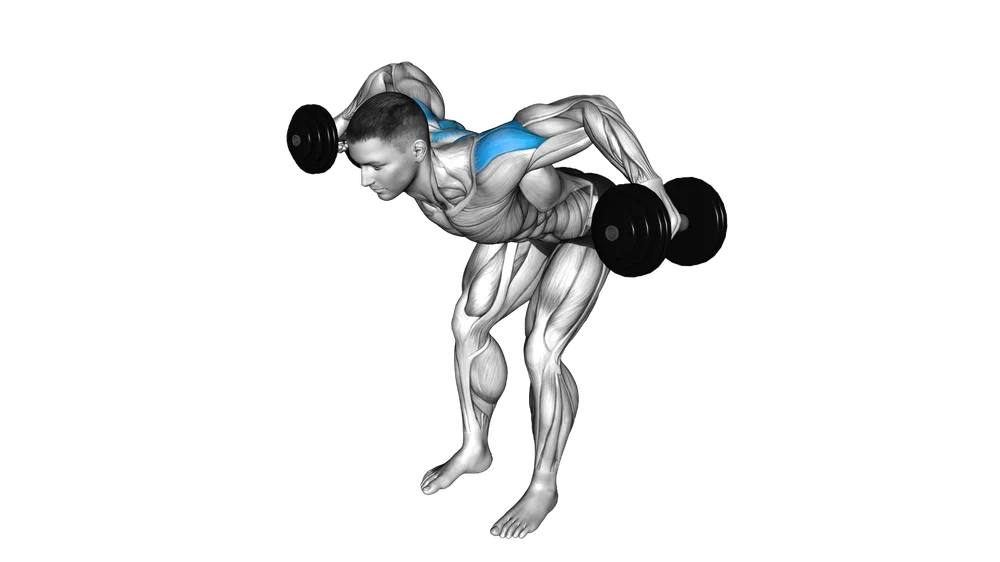
Pin your chest, isolate the rear delts.
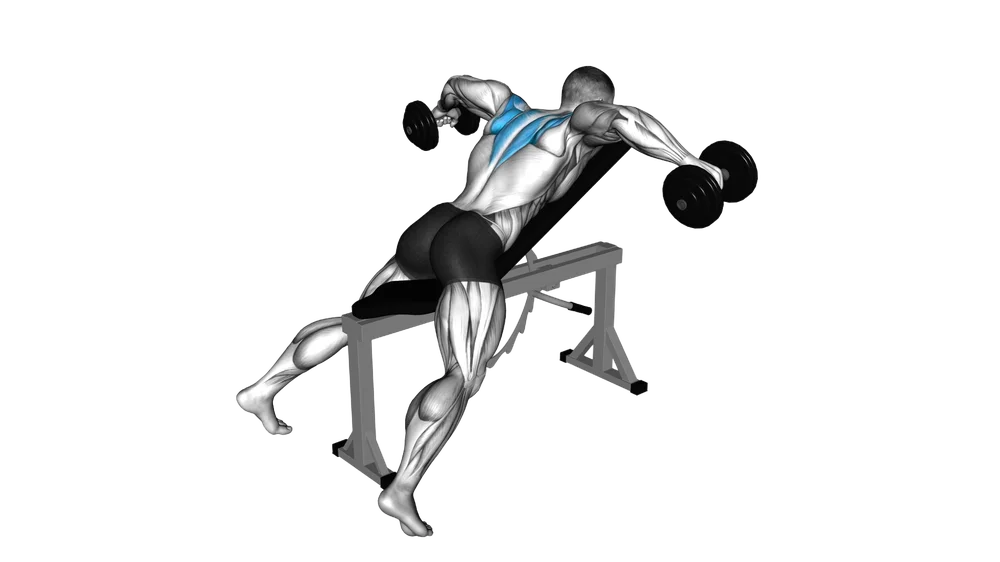
Lead with your pinkies, not your hands, to keep tension on the rear delts instead of the traps.
The incline bench takes cheating off the table. With your chest pinned there is no swing and no hip drive, just your rear delts dragging the dumbbells out to the side while the upper back assists with the squeeze at the top. Rear delts are chronically undertrained compared to the front and sides of the shoulder, and this is one of the strictest ways to fix that imbalance.
The bench removes momentum and lower back fatigue from the equation. Bent over, most people swing the weights up with their torso. Chest supported, the rear delts have nowhere to hide.
You are pinching your shoulder blades too hard and shrugging. Keep the shoulders long, lead with your pinkies and think about pushing the dumbbells apart rather than squeezing your blades together.
Humble. Rear delts respond to strict, higher-rep work, so sets of 12 to 20 with a weight you can briefly pause at the top build far more than heaving bigger dumbbells.