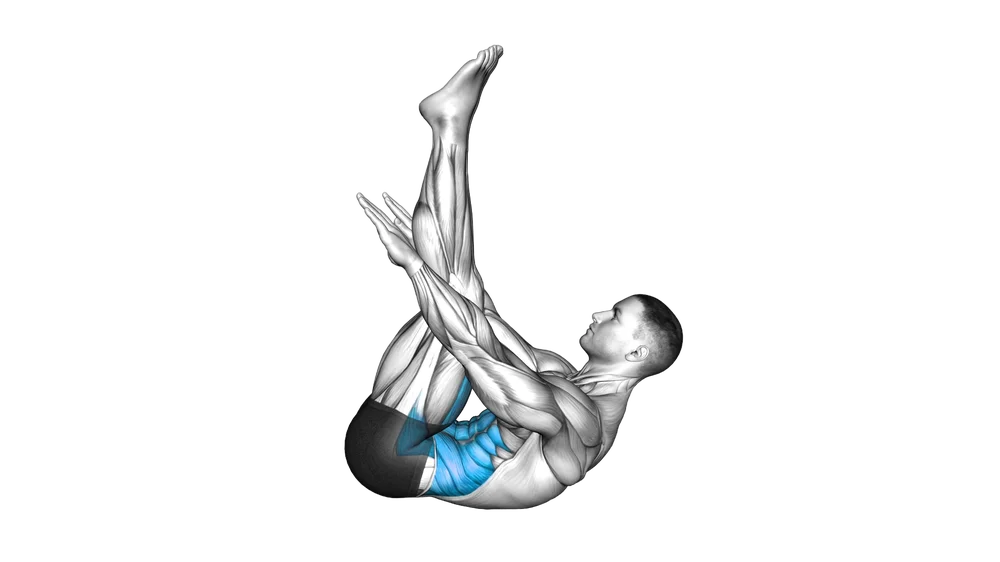
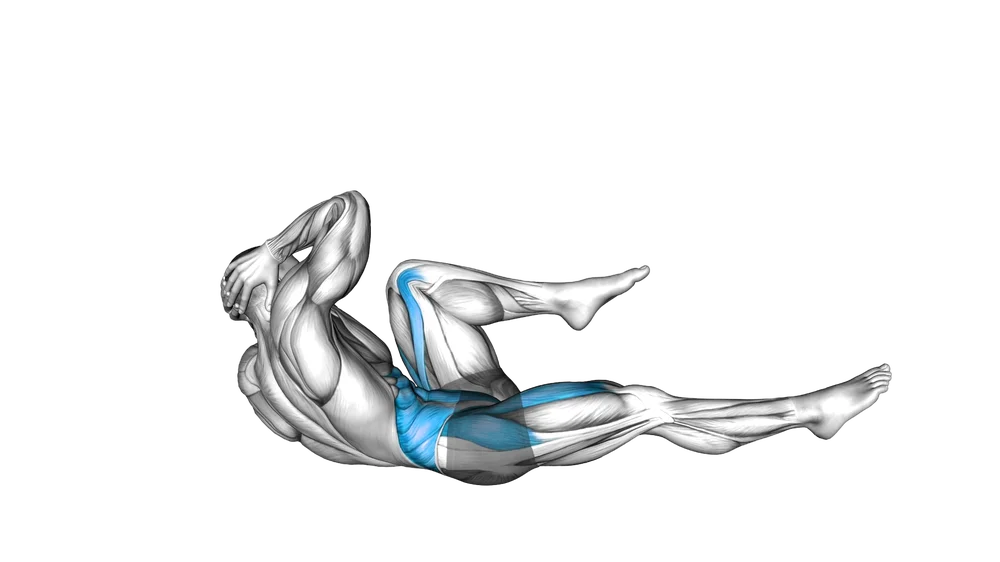
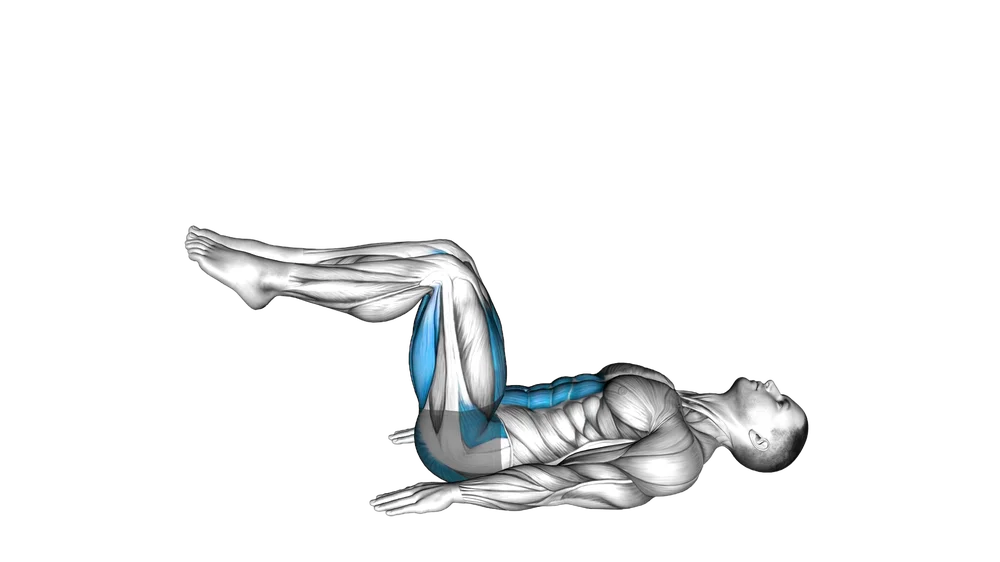
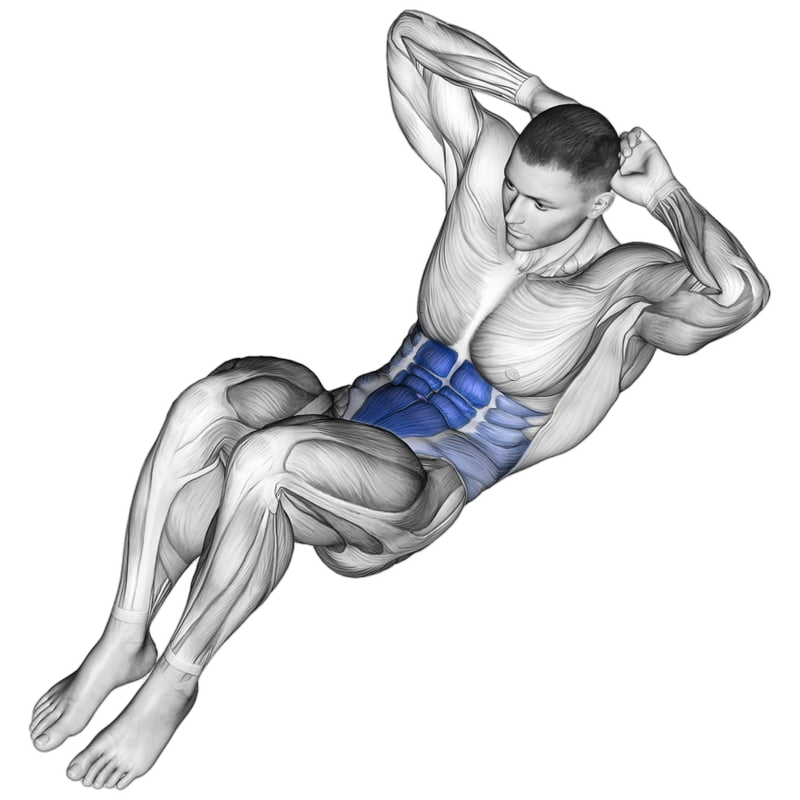
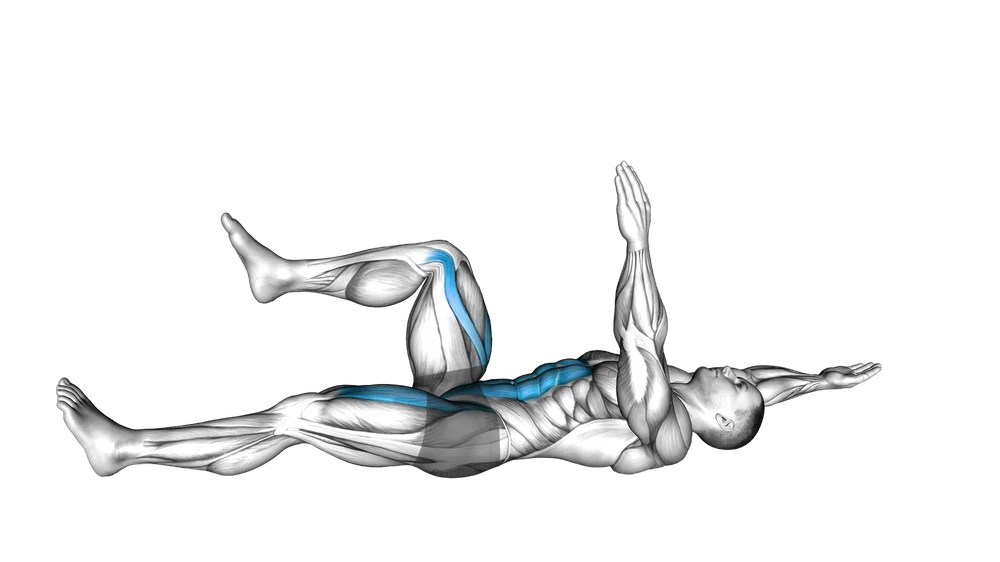
Tilt back, sit up, feel every rep.
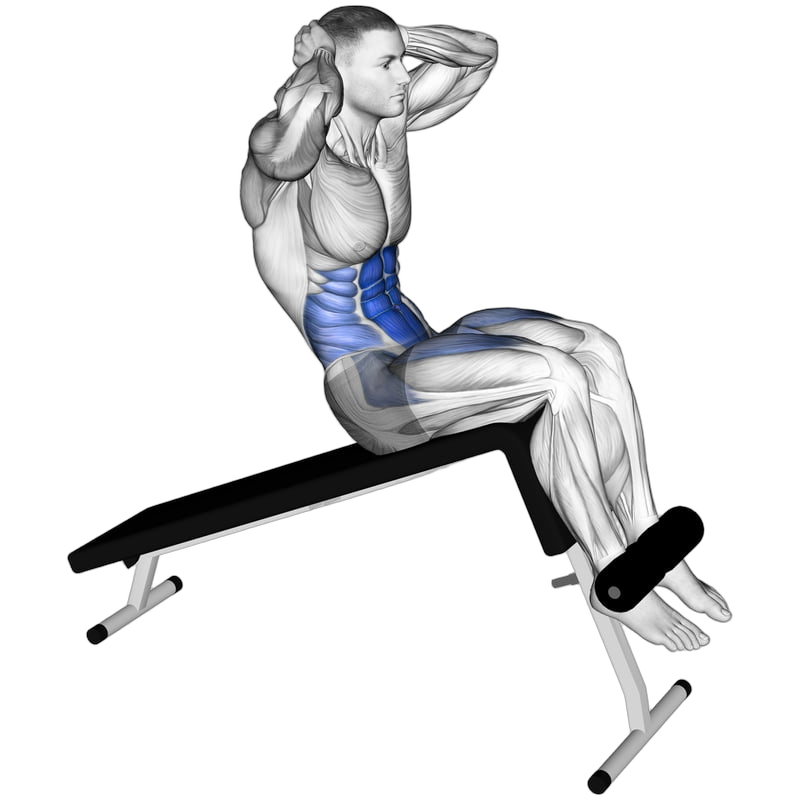
Roll up one vertebra at a time, don't throw your head and arms to cheat.
The decline bench makes the sit-up honest again. The angle loads your abs from the very first degree of the curl and removes any chance of resting at the bottom of a rep, while curling up one vertebra at a time takes your core through a longer range than the floor allows. It is the standard progression once floor work goes stale, with the bench angle as your built-in difficulty dial.
Harder and longer-range, which usually means better once floor sit-ups are easy. The decline keeps tension on your abs through the whole rep instead of just the first half.
Curl, do not hinge. Lead with your chest rolling toward your knees one segment at a time and keep a slight tuck in your pelvis. Flat-backed, board-like reps are hip flexor reps.
Start at a gentle angle and treat steepness as your progression. Each notch down adds resistance, so move the bench before you think about adding anything else.