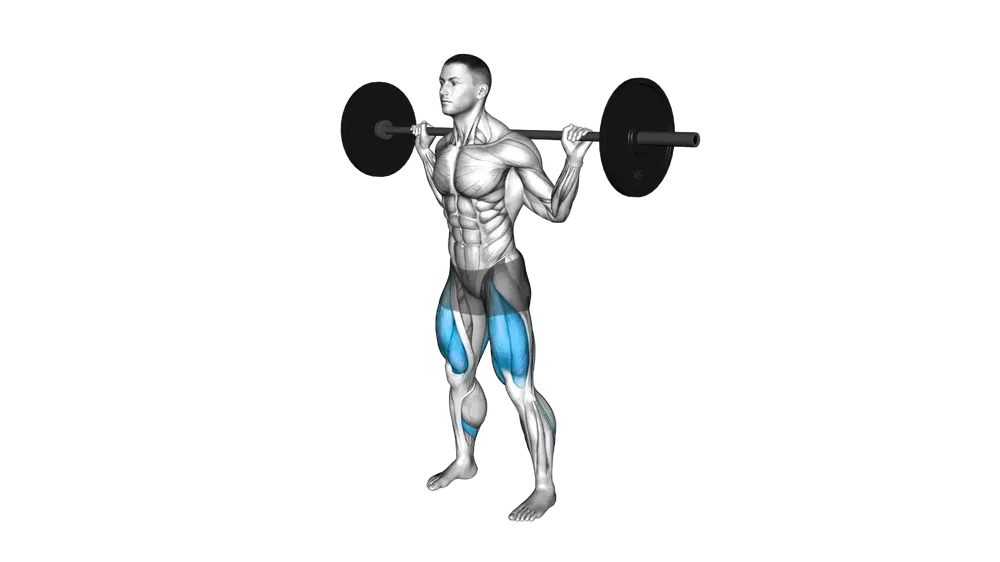
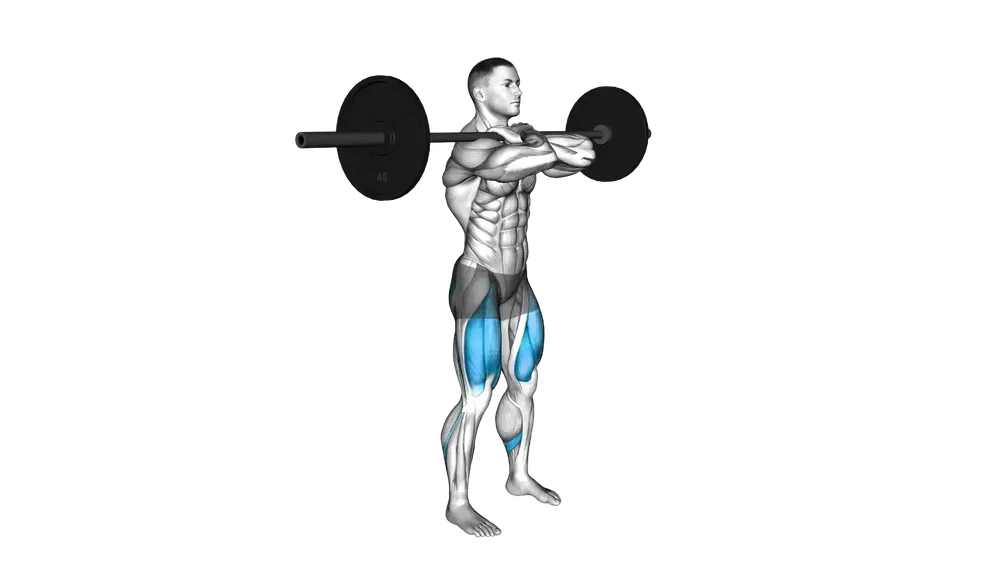
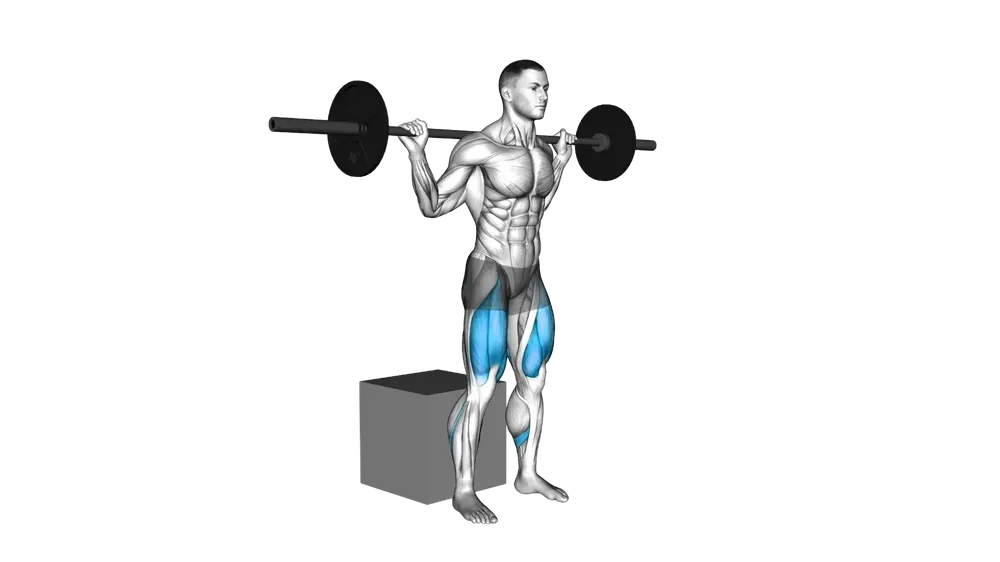
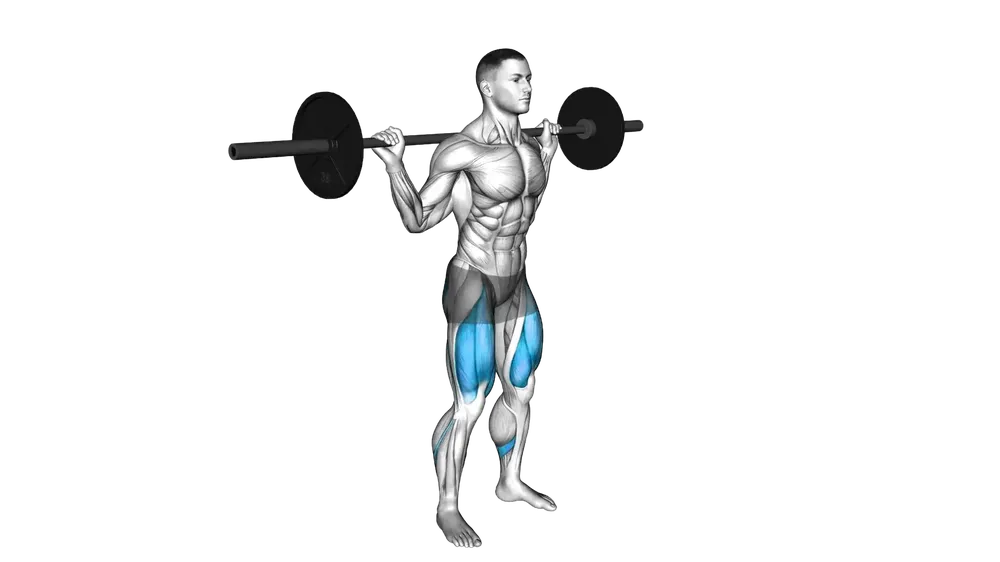
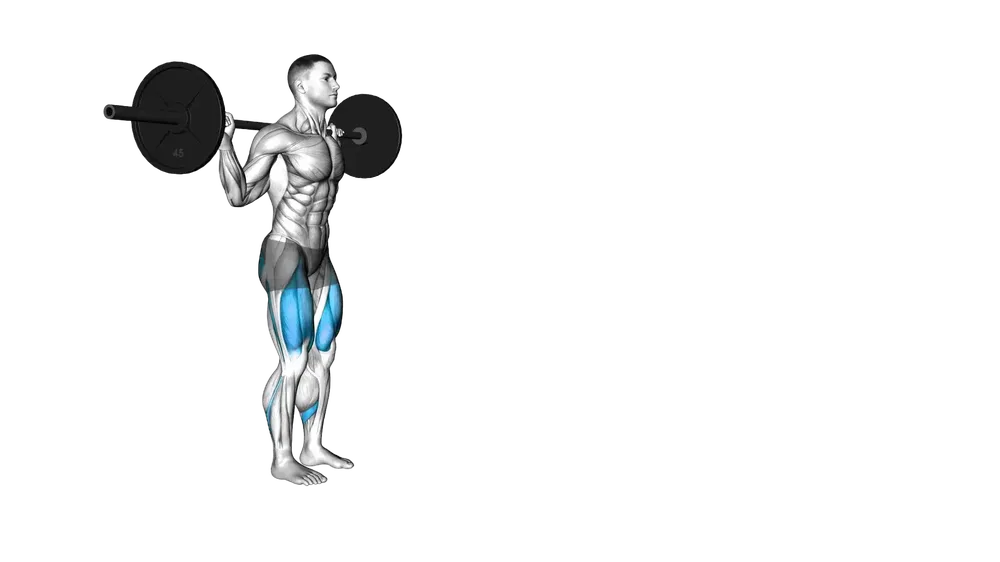
Bounce in the bottom of the squat to keep your quads under fire.
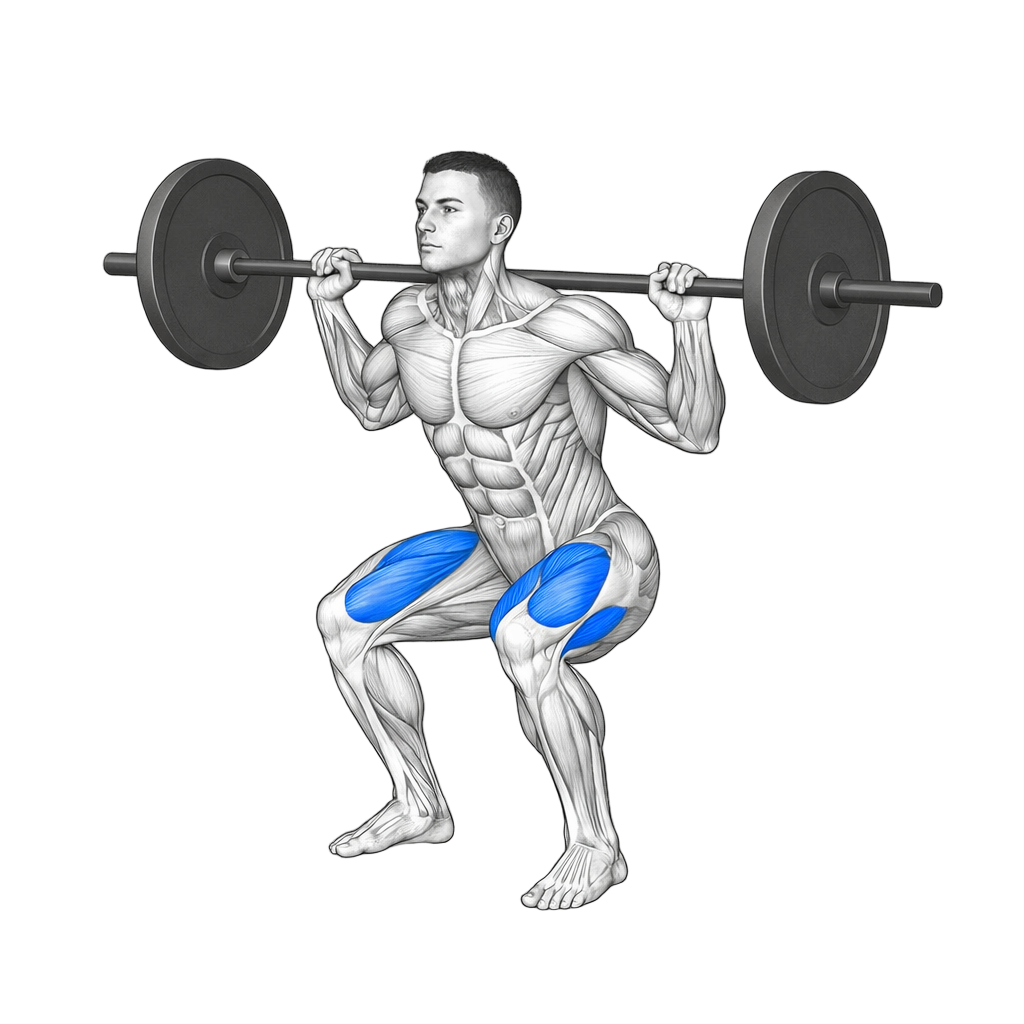
Stay tight in the bottom and keep tension on, don't bounce off your joints.
Living in the bottom of the squat means the quads never get their lockout breather. Pulsing through the deepest few inches keeps them under continuous tension right where they are most stretched, while the glutes work to keep the hips stable in the hole. It is a hypertrophy and positional-strength tool that is brutal with even a light bar, and a nasty finisher after your main squat work.
Far lighter than your normal squat, think half or less to start. The constant tension does the damage, not the load. If you cannot stay tight and upright through every pulse, strip the bar back further.
Done right you are never dropping onto the joints, you are moving a few controlled inches under muscle tension the whole time. Stay tight in the bottom and reverse each pulse with your quads, treating every pulse like a mini rep rather than a bounce.
After your heavy squatting, not before. They torch the quads without needing big loads, so they work best as a second squat movement or a finisher when you want to end leg day on fire.