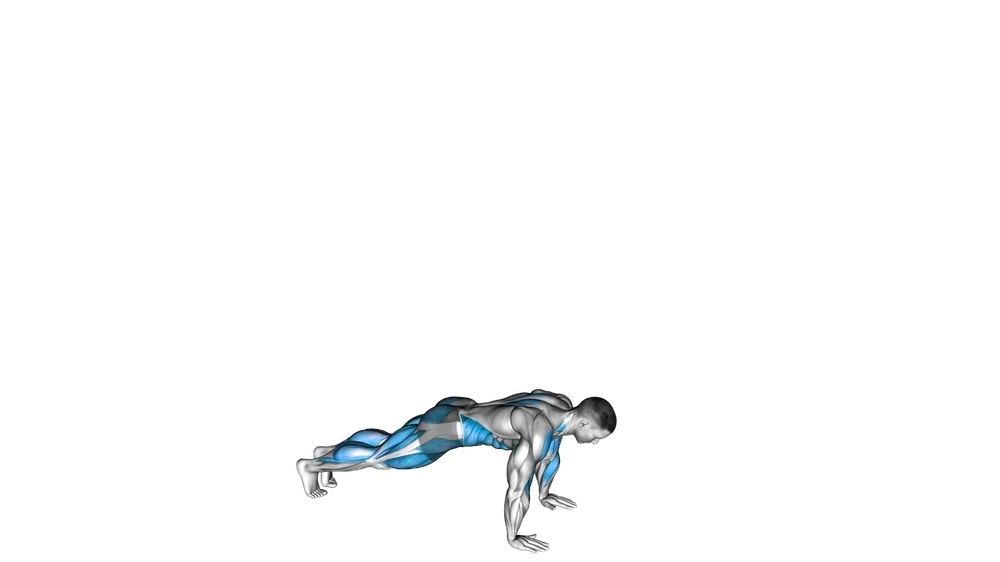
Cheap, brutal, and the best conditioning you can pack in a bag.
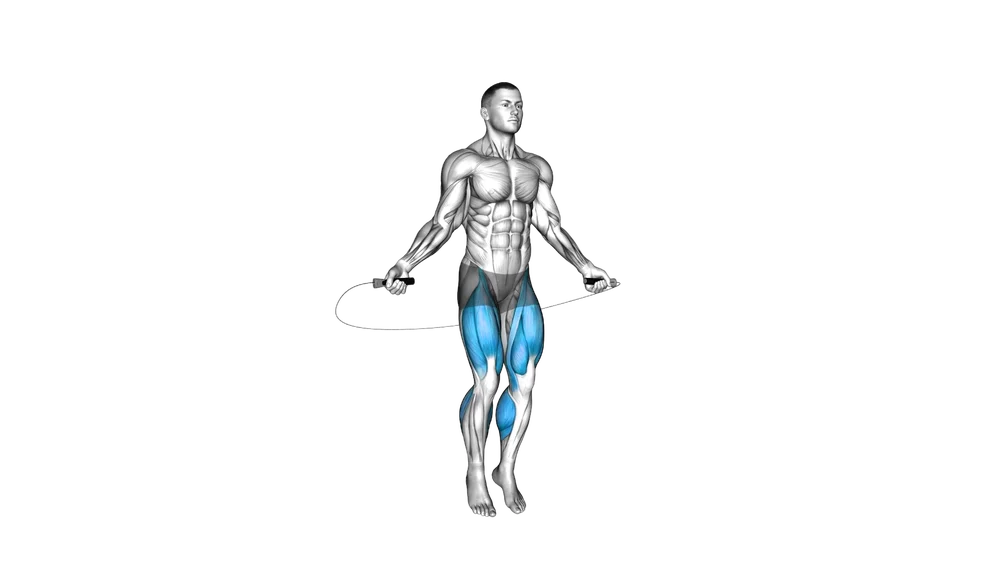
Stay light and bounce low. Turn the rope from your wrists, not your shoulders.
Skipping stacks hundreds of small, springy contacts per minute, driving your heart rate up while your calves and feet do rapid-fire elastic work and your wrists keep the rope spinning on rhythm. Few conditioning tools deliver this much coordination, footwork and cardio in something that fits in a pocket. It earns its place as the classic warm-up and engine builder for boxers, lifters and anyone who wants serious conditioning from ten square feet of floor.
Stand on the middle of the rope with one foot; the handles should reach somewhere between your lower ribs and armpits depending on preference. Beginners do better slightly longer, and you can shorten it as your timing tightens up.
Usually jumping too high and swinging from the shoulders. Hop barely an inch or two, keep elbows tucked near your ribs, and spin the rope with your wrists. Practise the bounce without the rope first, then add it back.
A bit of give helps: wooden floors, rubber gym flooring or a mat beat bare concrete for your calves and shins. Cushioned trainers are fine; the bigger factor is easing in gradually so your lower legs adapt to the volume.