The most underrated cardio there is. Just move.
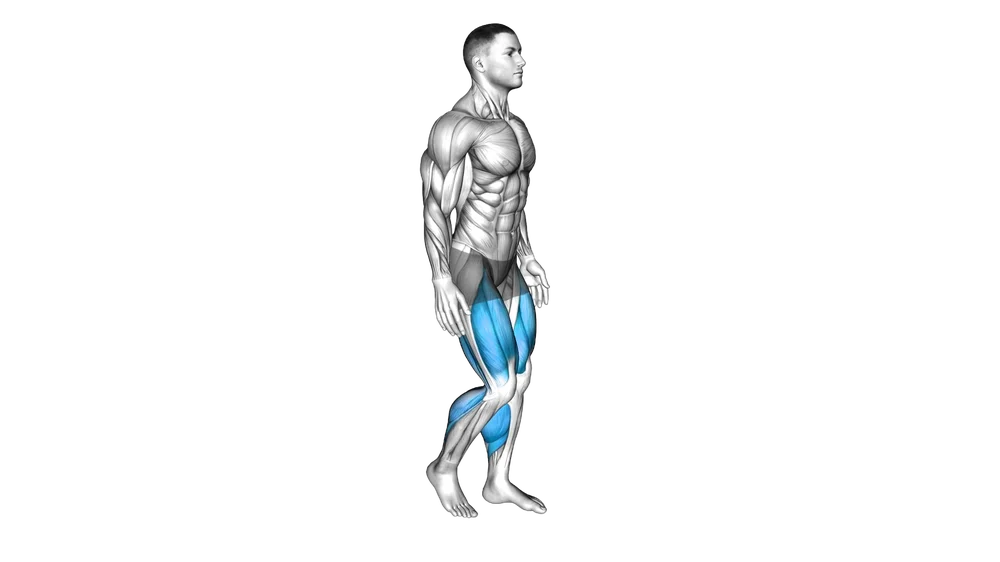
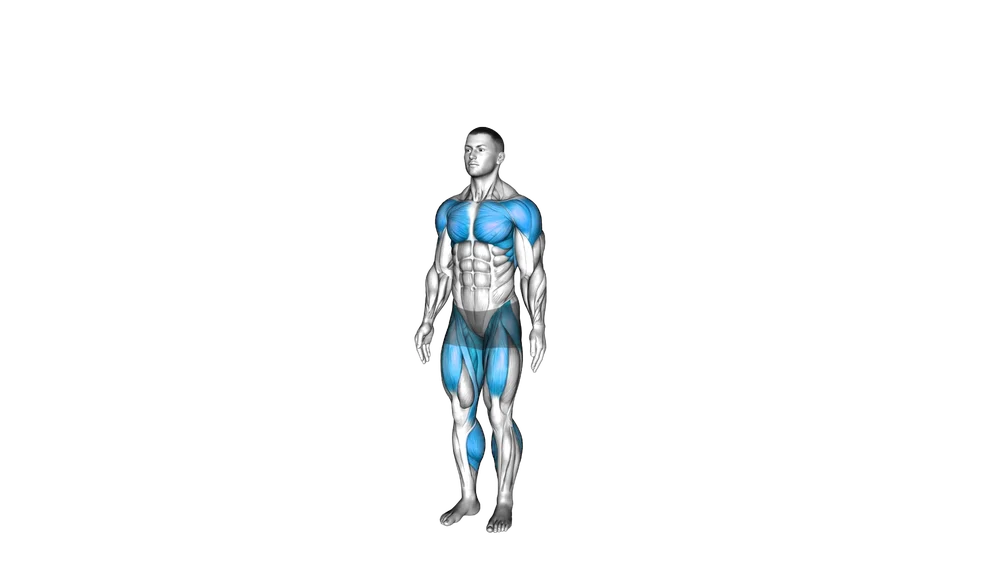
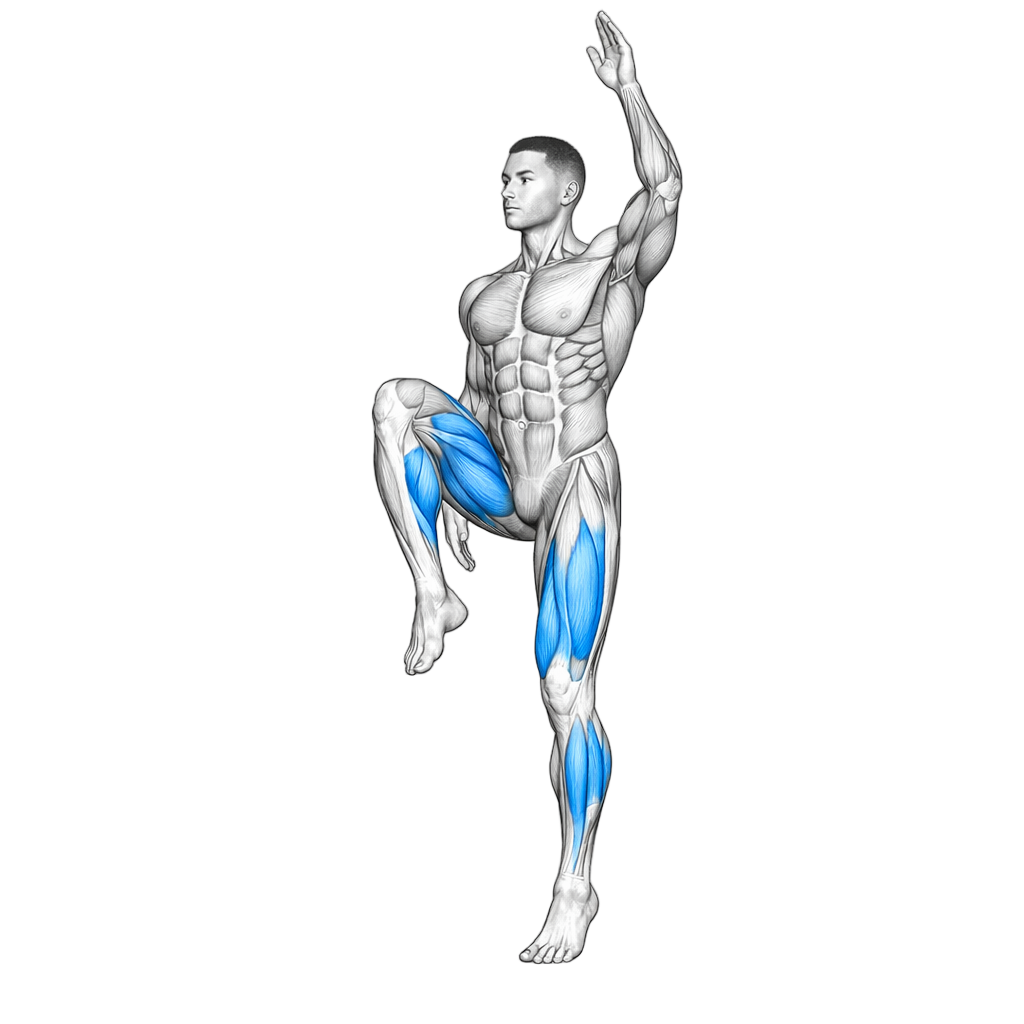
Keep your gaze up and your core lightly braced so you stride from the hips, not a slouch.
Walking is low-intensity cardio you can do every day without stealing anything from your recovery, and doing it outside beats pacing a treadmill for most people's consistency. A brisk pace nudges your heart rate into an easy aerobic zone, builds your work capacity, and helps you show up fresher for lifting sessions. It earns its place as the base layer of conditioning almost everyone should have.
Yes. A brisk walk raises your heart rate into an easy aerobic zone, and that low-intensity work builds the engine that supports everything else you do. It will not replace hard conditioning, but as a daily base it is hard to beat.
No. It is about the least interfering cardio there is, low impact and easy to recover from. If anything, the extra movement and blood flow help you feel better between lifting sessions.
Aim for a pace where you can still talk but you know you are moving, and take whatever time you have. Thirty to sixty minutes is a solid session, and hills or brisk straights are the easy way to turn the intensity up.