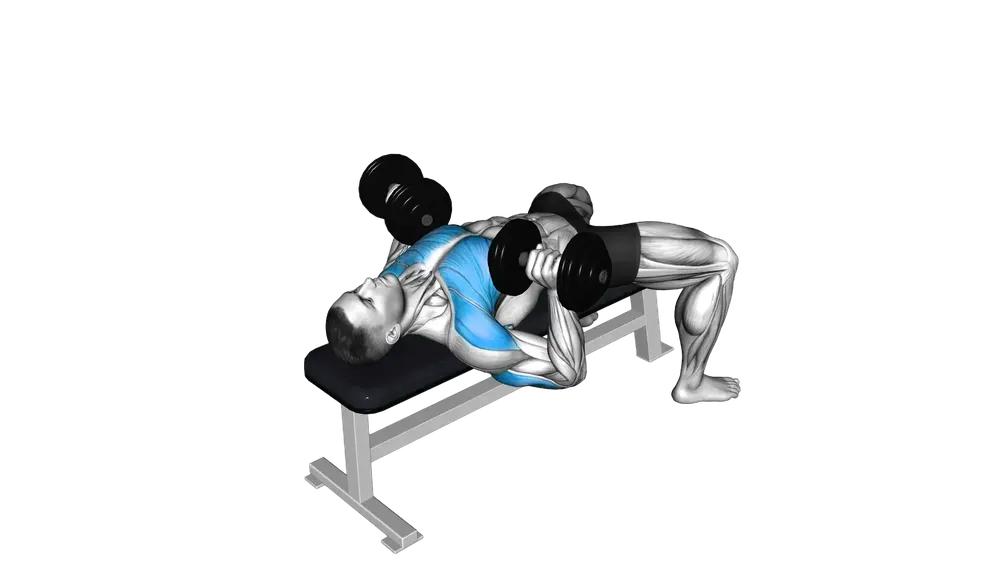
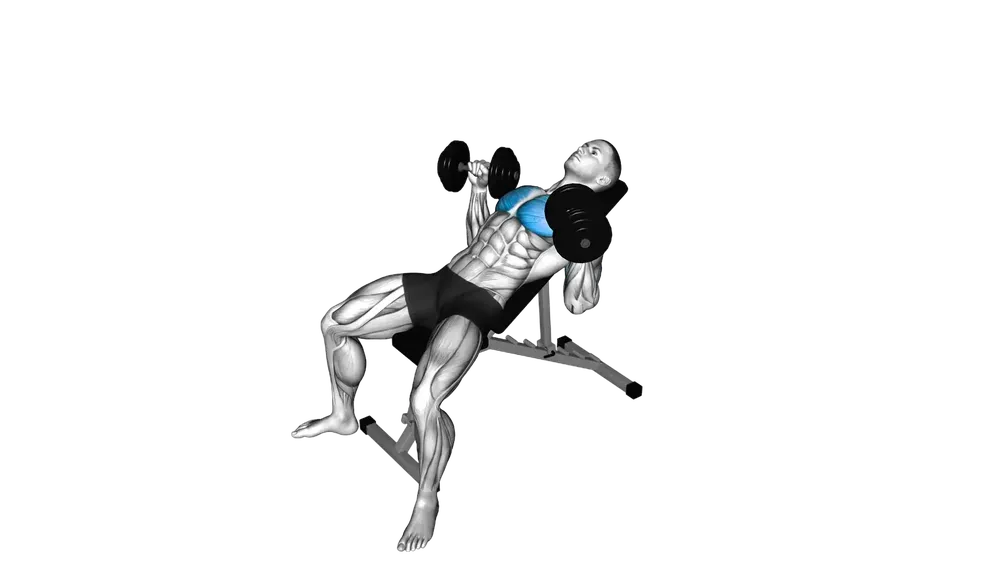
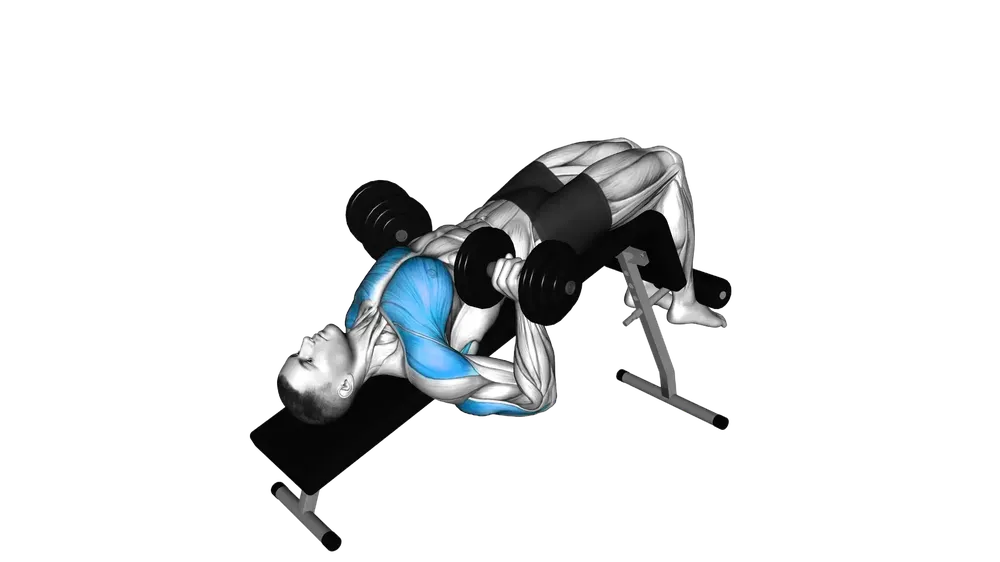
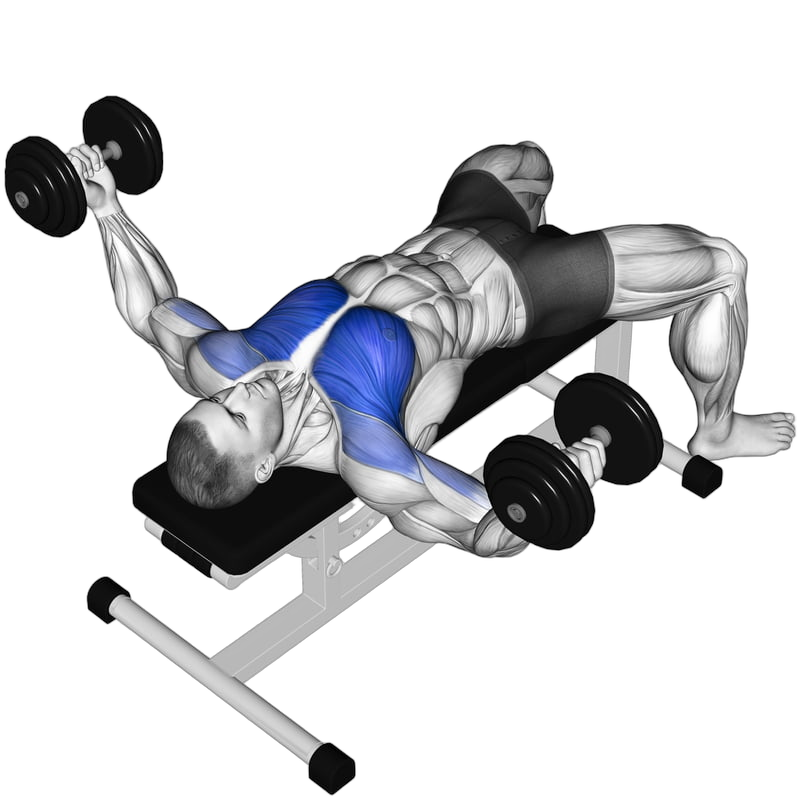
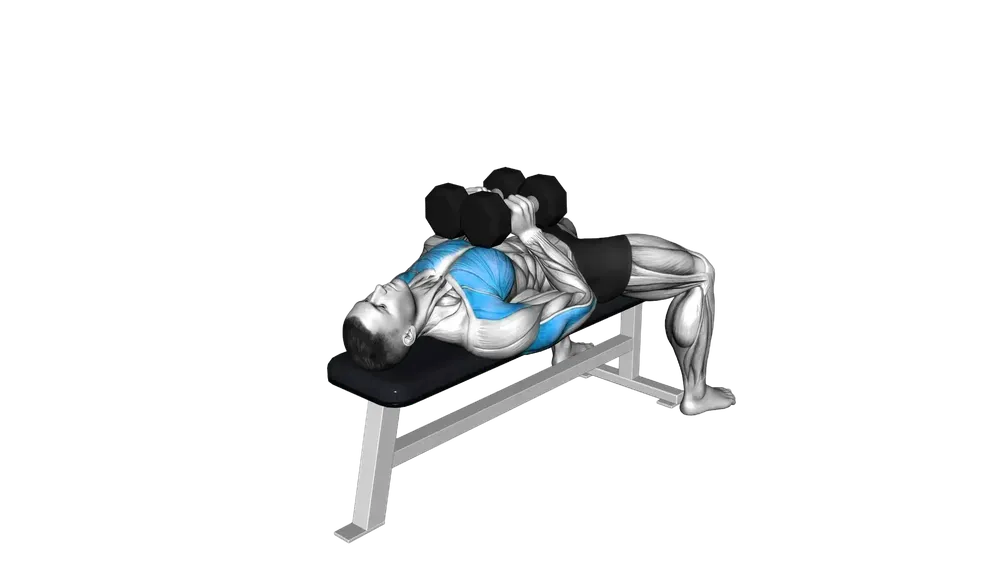
Squeeze the weights together and your chest fires before you even press.
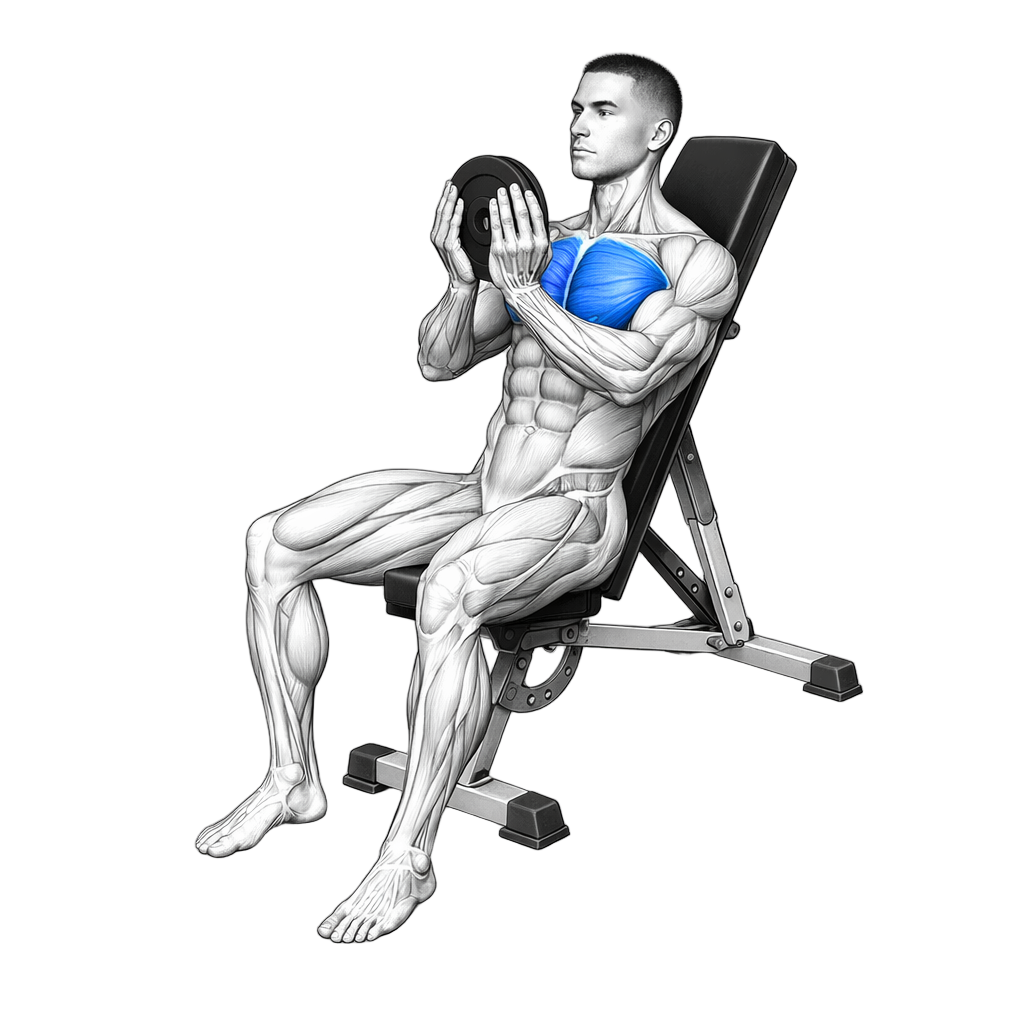
Go light. The whole point is constant inward pressure, not heavy weight.
Pressing two dumbbells while crushing them together means the chest never gets a moment off: the inward squeeze is a pec contraction in itself, and the incline aims all of it at the upper chest. The shoulders steady the pressing angle and the triceps handle the lockout, but the defining feature is that constant midline pressure that a normal press simply does not have. It earns its place as a light-load, high-tension chest movement for finishing sessions, warming up the pecs, or finally feeling an upper chest that heavy pressing never woke up.
Because the inward crush is the exercise, not the number on the dumbbells. Go heavy and the squeeze collapses, turning it into a bad narrow press. Light bells crushed together hard produce more chest tension than heavier ones drifting apart.
The classic Svend press squeezes two flat plates together, yes. Dumbbells pressed face to face give the same constant inward pressure with an easier grip, and putting it on an incline points the tension at the upper chest.
Either first, as an activation drill so you feel your chest during the heavy pressing that follows, or last, as a burnout when the heavy work is done. It is a tension tool, not a strength builder, so do not programme it like a main lift.