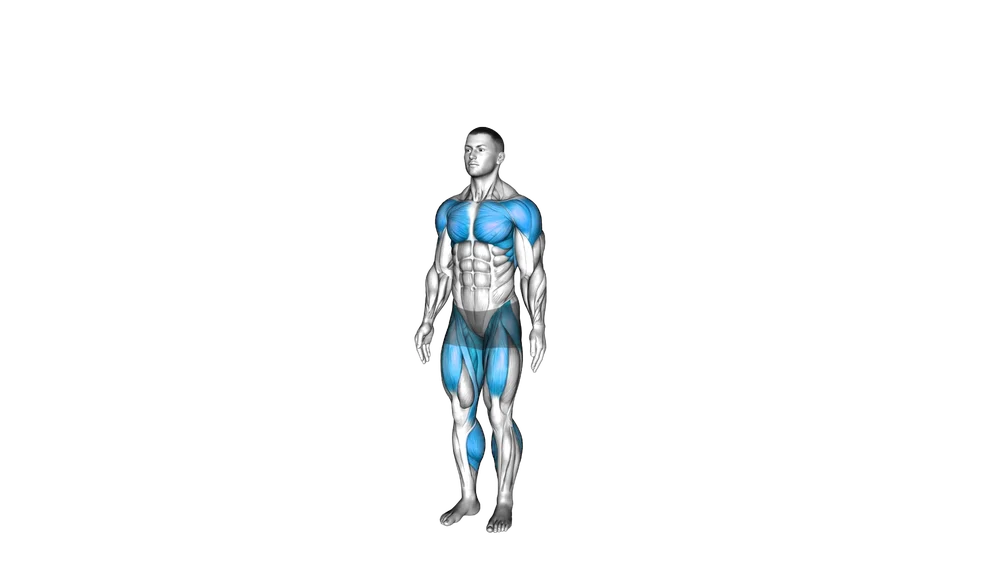
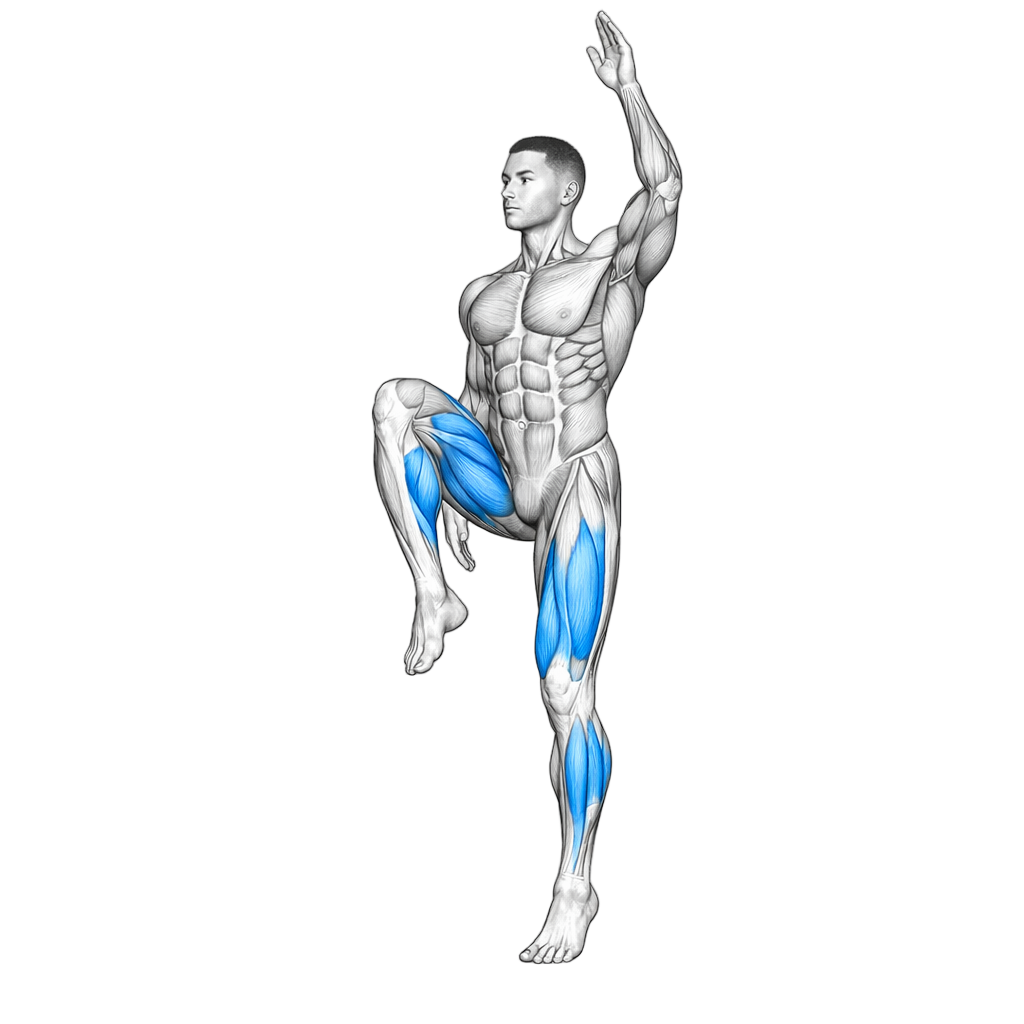
Go all out, rest, repeat. Maximum burn, minimum time.

Make the hard intervals truly hard. If you can chat through them, push harder.
High intensity interval training alternates all-out efforts with short recoveries, pushing your heart rate into ranges steady cardio rarely visits and teaching your body to recover fast between surges. The work-rest structure lets you accumulate more time at genuinely high intensity than a single continuous effort ever could. It earns its place as the time-efficient conditioning tool: big cardiovascular stimulus, short sessions, and endless flexibility in which movements you plug into the intervals.
Common splits run from 20 seconds on and 40 off for beginners up to formats like 40 on and 20 off as you improve. The exact numbers matter less than the honesty: the work interval should be genuinely hard, the rest genuinely easy.
For most people, two or three is plenty alongside lifting. True high intensity is expensive to recover from, and daily HIIT usually just means the intensity quietly drops until it is medium-intensity interval training.
It complements it rather than replaces it. HIIT builds top-end capacity fast, while easier steady work builds the aerobic base and is far gentler to recover from. Mixing both beats going all in on either.