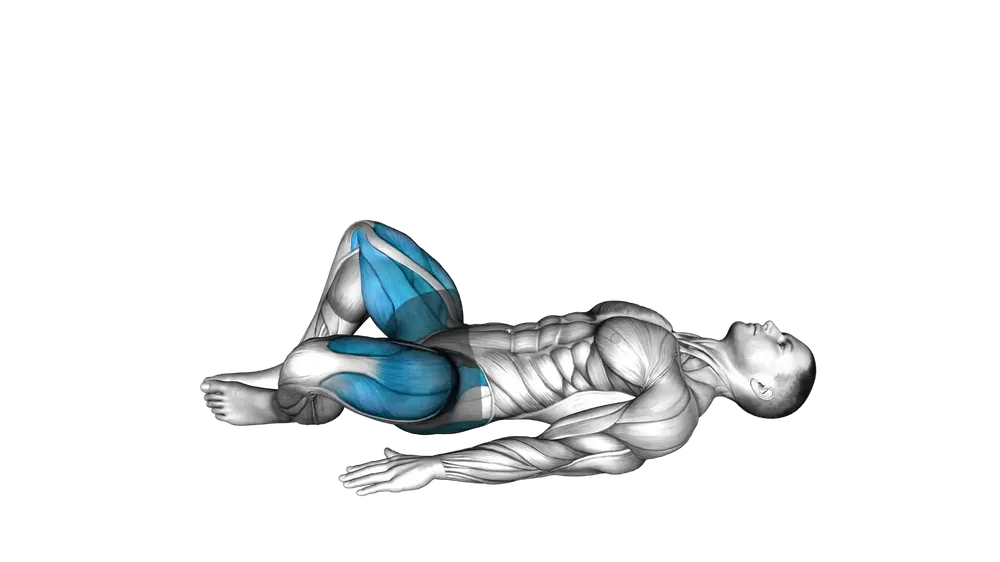
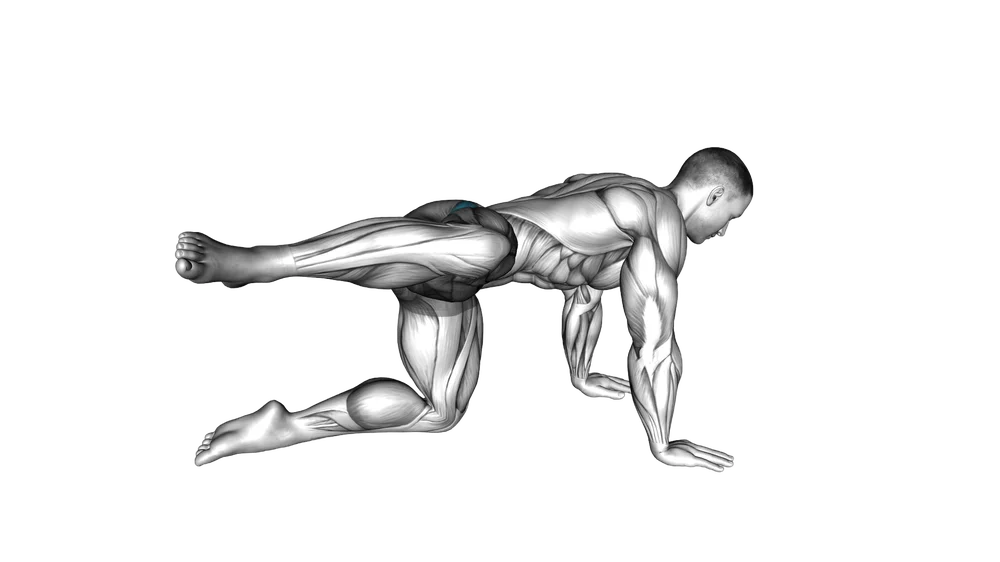
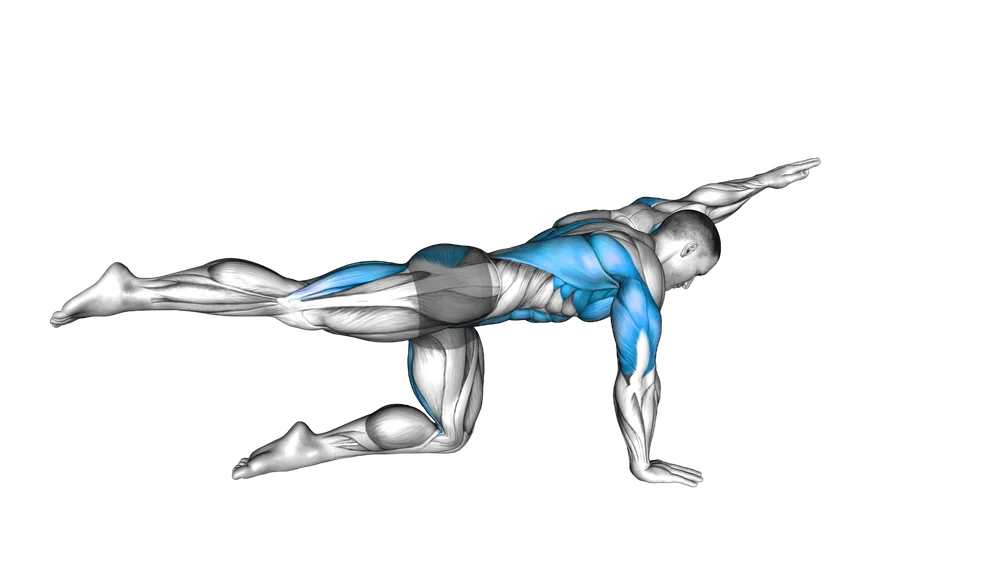
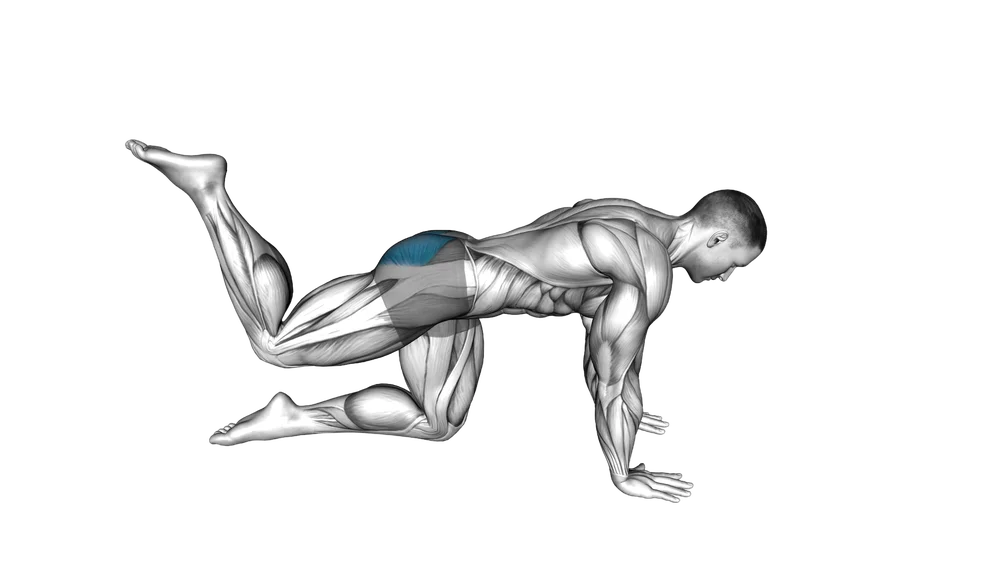
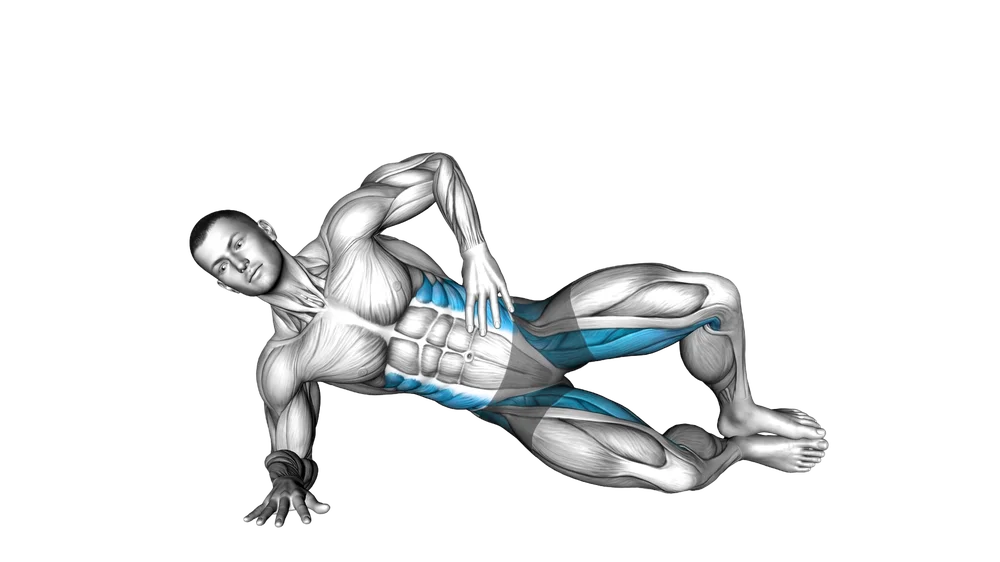
Hold a bridge and march, your core has nowhere to hide.
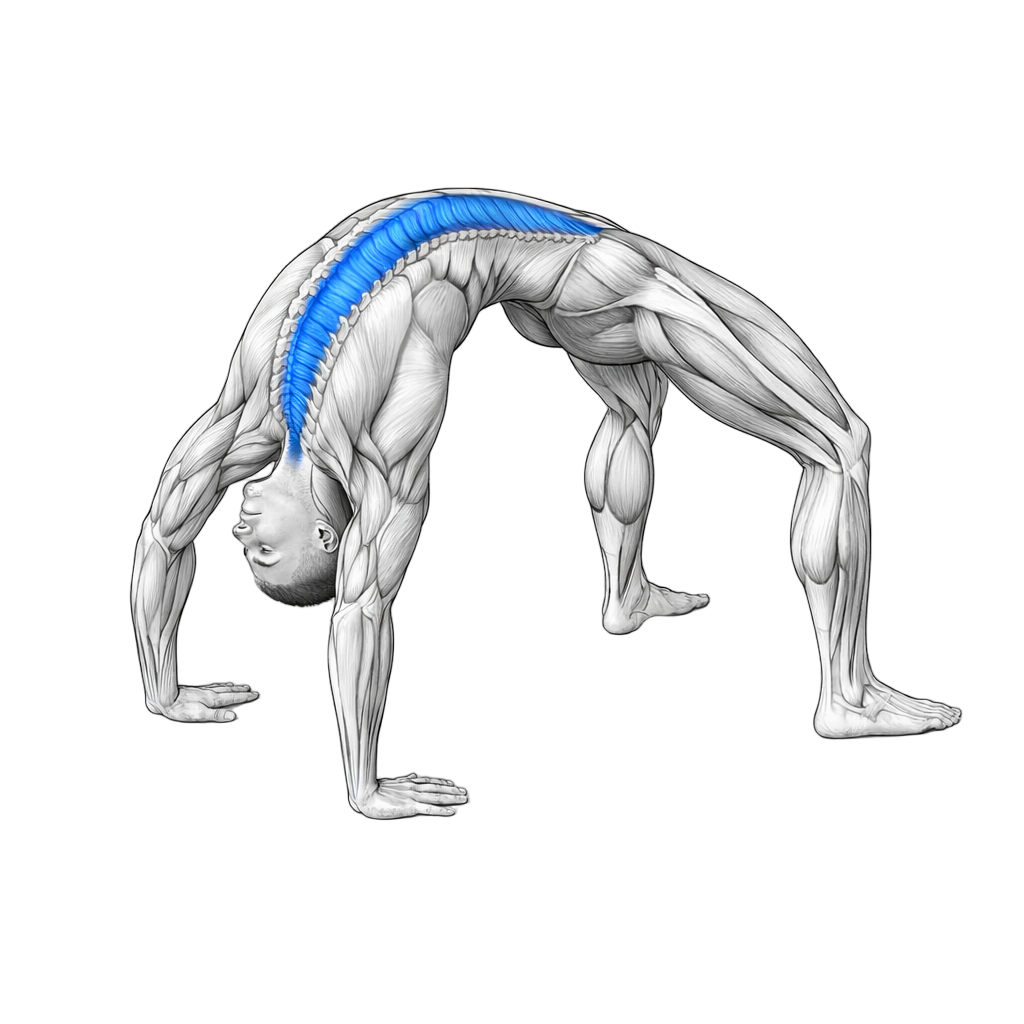
Lock your hips at the top. If they drop when a foot lifts, slow down.
The marching bridge turns a static hold into a stability test, every time a foot leaves the floor, your lower back and trunk have to fight the twist and sag that the missing support invites. Holding the hips high and level on one leg at a time is where the work lives, the march itself is just the trigger. It earns a place as honest anti-rotation training that needs nothing but floor space, and it exposes weak sides quickly.
Because one side of your trunk isn't ready for the load transfer. Slow the march down, pause with the knee up, and only move at a speed where your hips stay perfectly level, that's the actual exercise.
A single-leg bridge parks one foot in the air and reps the lift, the bridge walk keeps you at the top and alternates legs continuously. The constant handover between sides is what makes it a stability drill rather than a strength drill.
Aim for 10 to 20 total knee lifts with zero hip wobble. When that's clean, slow each lift down rather than adding more reps.