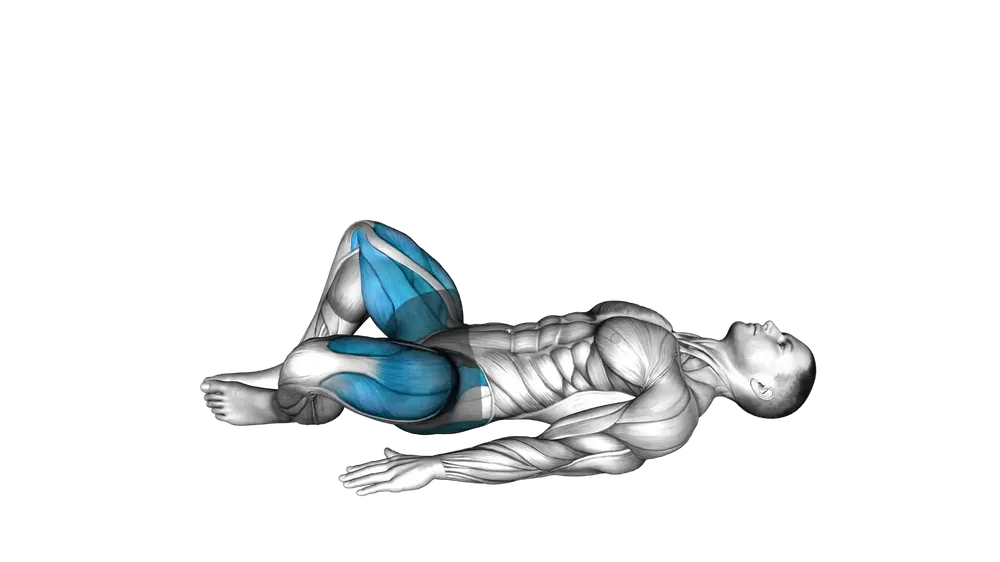
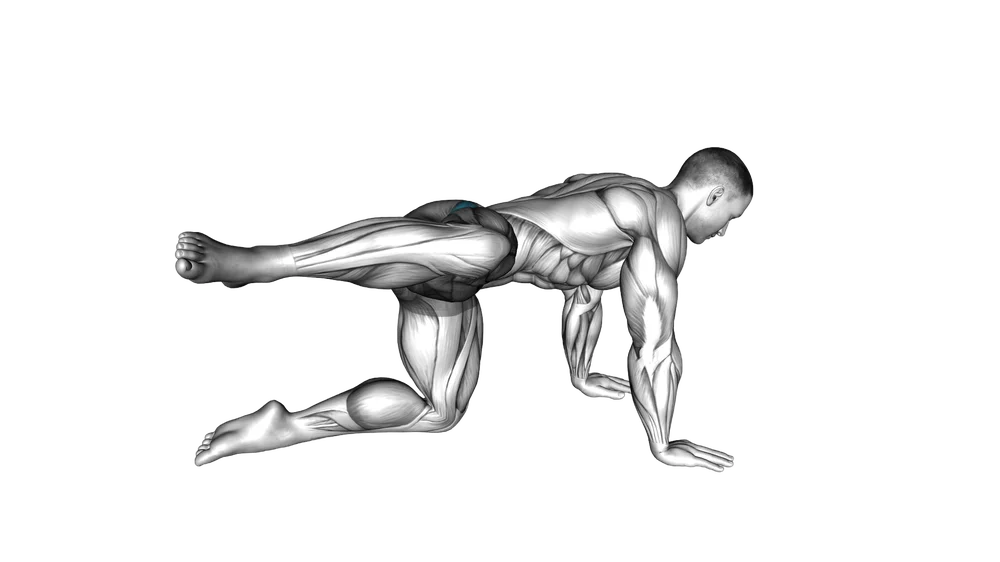
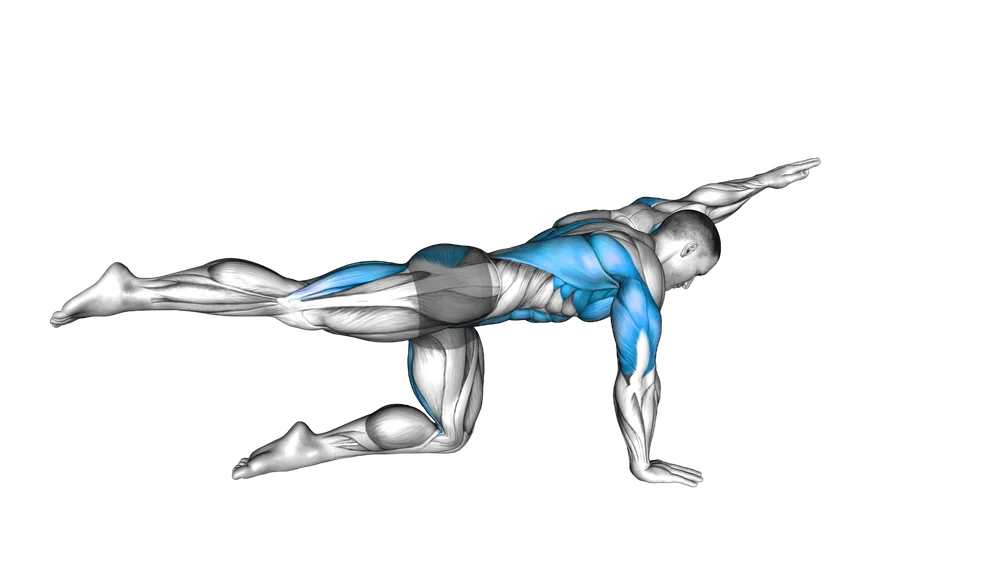
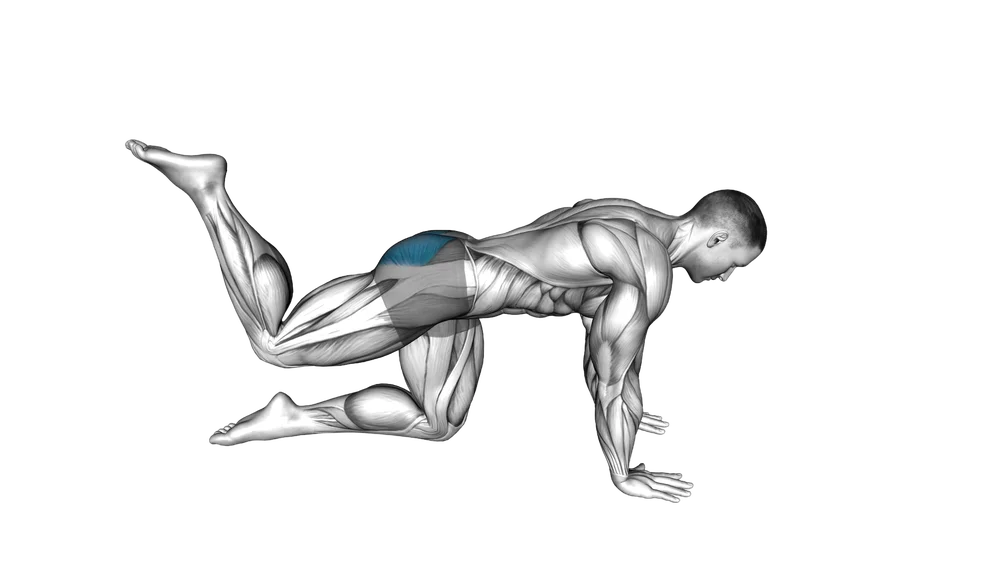
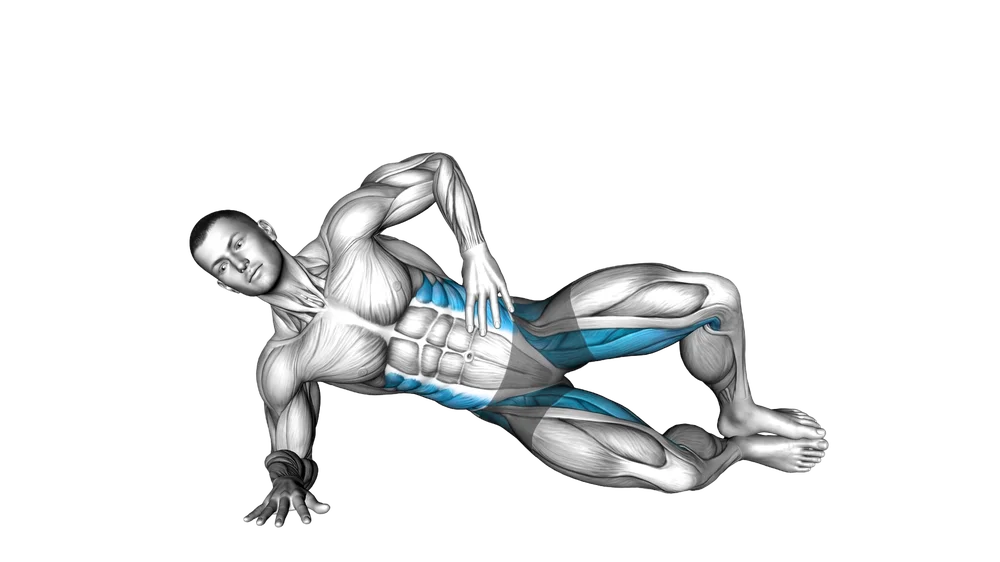
Hold the bridge, shift the load, dare your hips to drop.
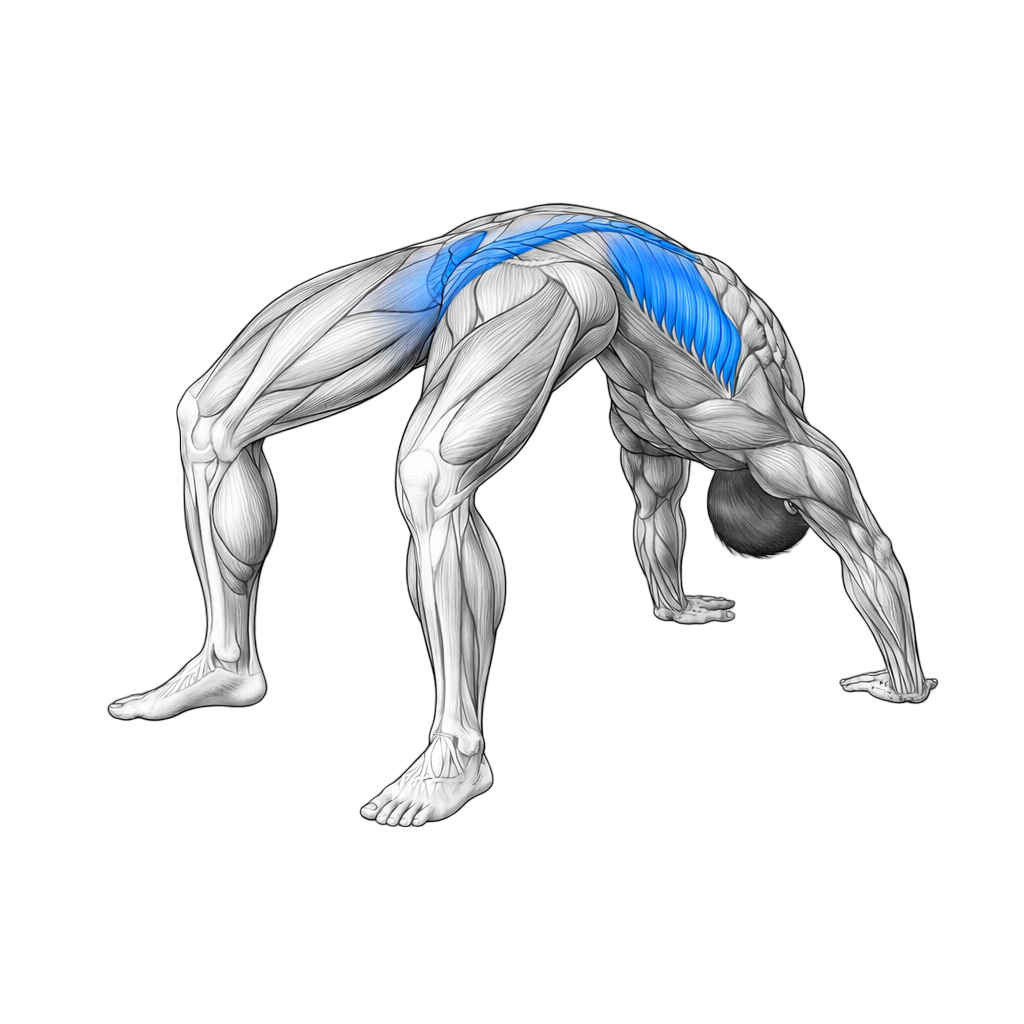
The win is keeping your pelvis from dipping. Brace your core hard.
Holding the top of a bridge keeps your lower back and the muscles along your spine working isometrically to lock your hips in extension, then shifting your weight foot to foot dares that position to break. The real exercise is the resistance, keeping the pelvis dead level while your base of support keeps changing. It earns a place as trunk stability work that transfers to any lift where your hips and spine have to hold position under shifting load.
Stability, not reps. The hold trains your lower back and hips to keep the bridge locked while the weight shift tries to tip and drop one side, which is the same battle your trunk fights during single-leg work.
Slow the shift right down and shrink the step. A small controlled shift with level hips beats a big sloppy one every time, and you can widen the movement as you get stronger.
It's a progression, not a replacement. Once holding a standard bridge feels easy, adding the side-to-side shift brings back a challenge without needing any equipment.