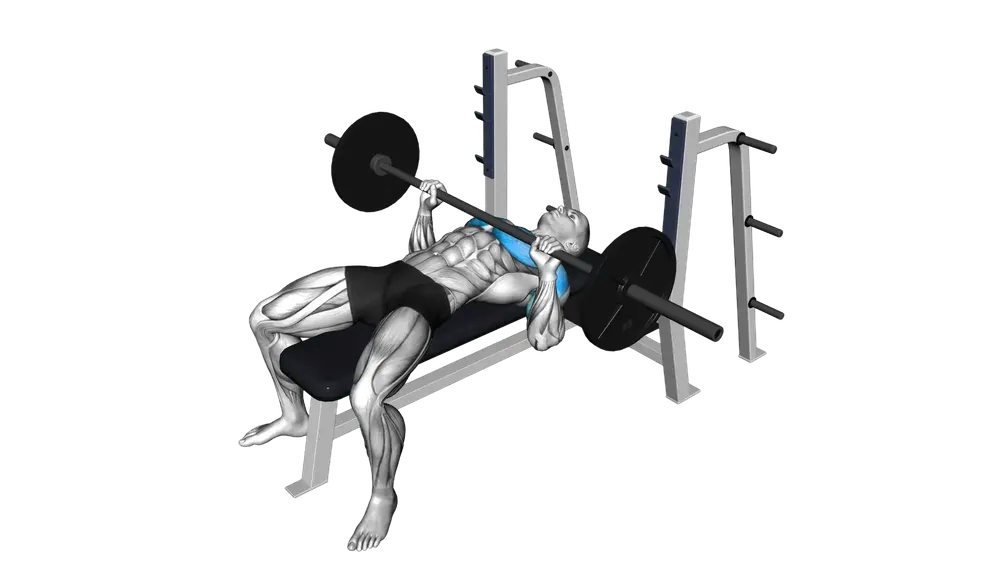
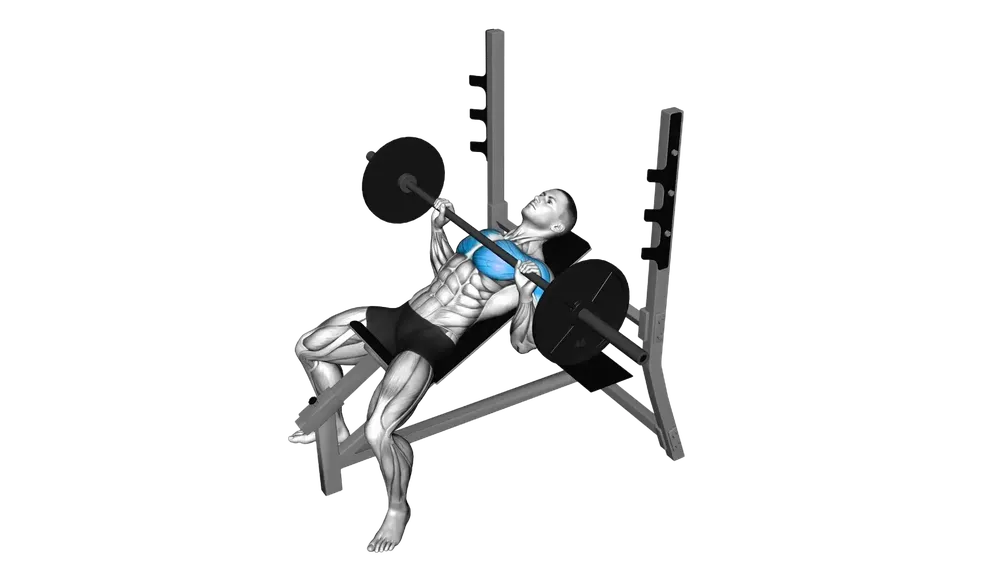
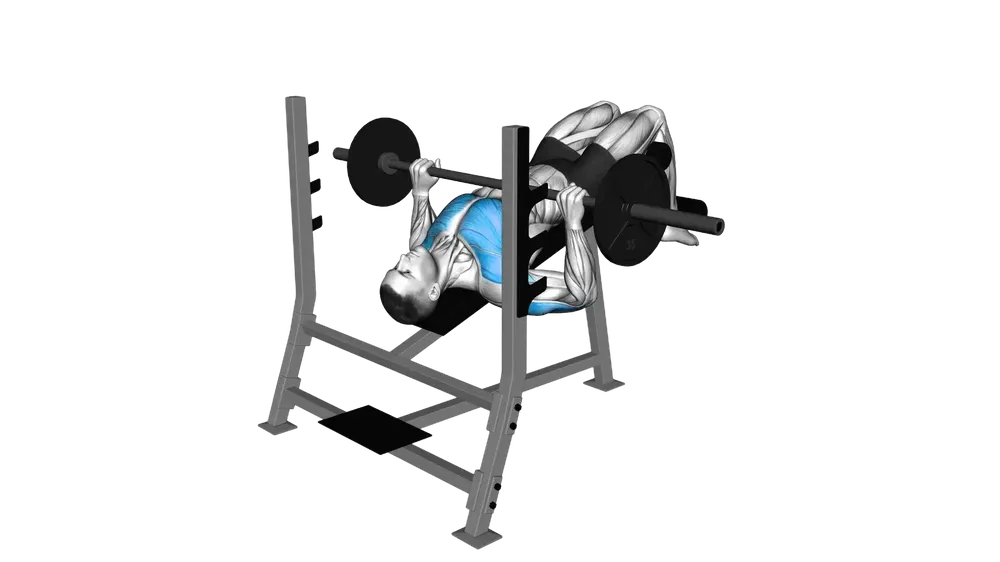
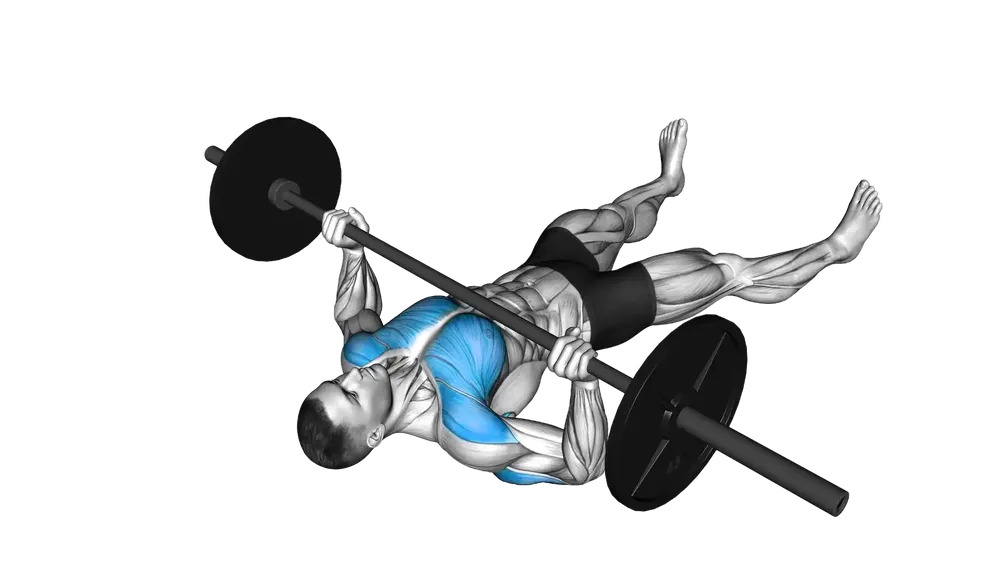
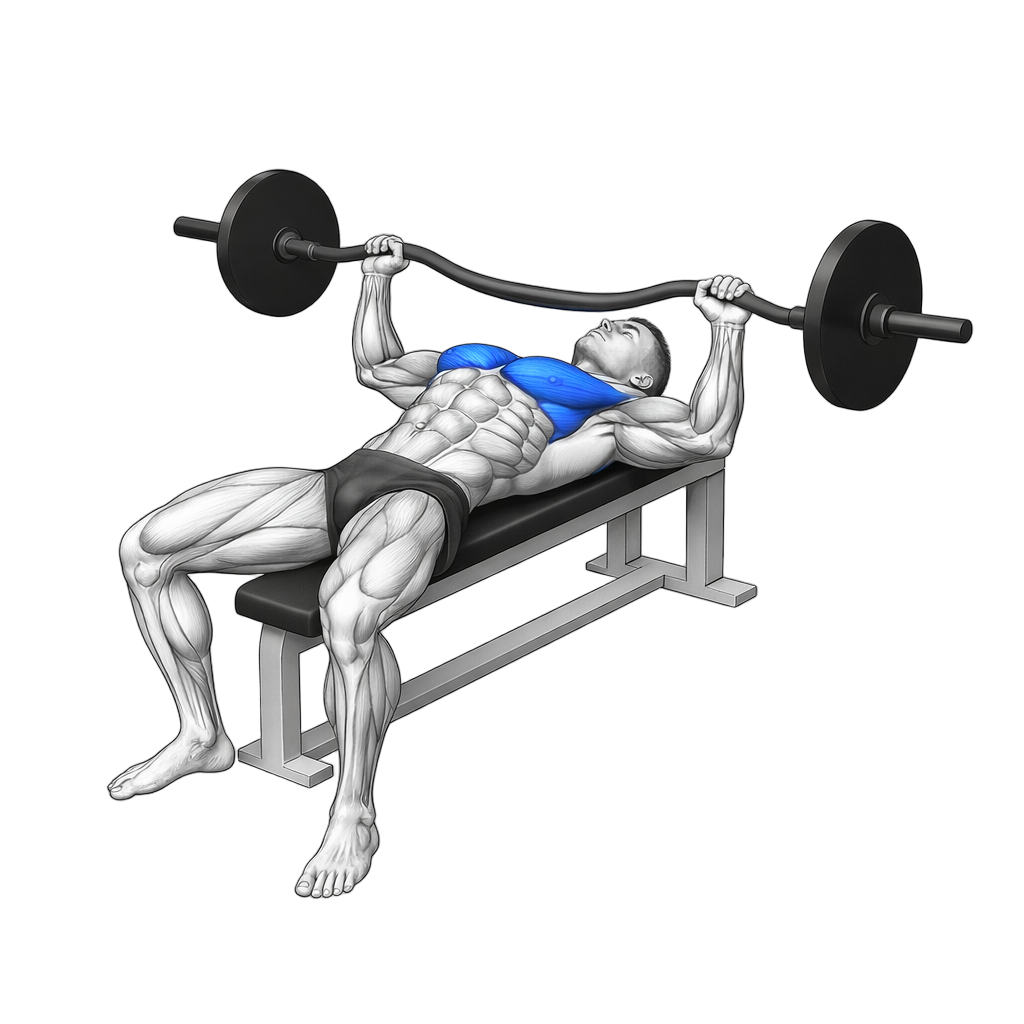
Bench from a dead stop. Build raw power off your sticking point.
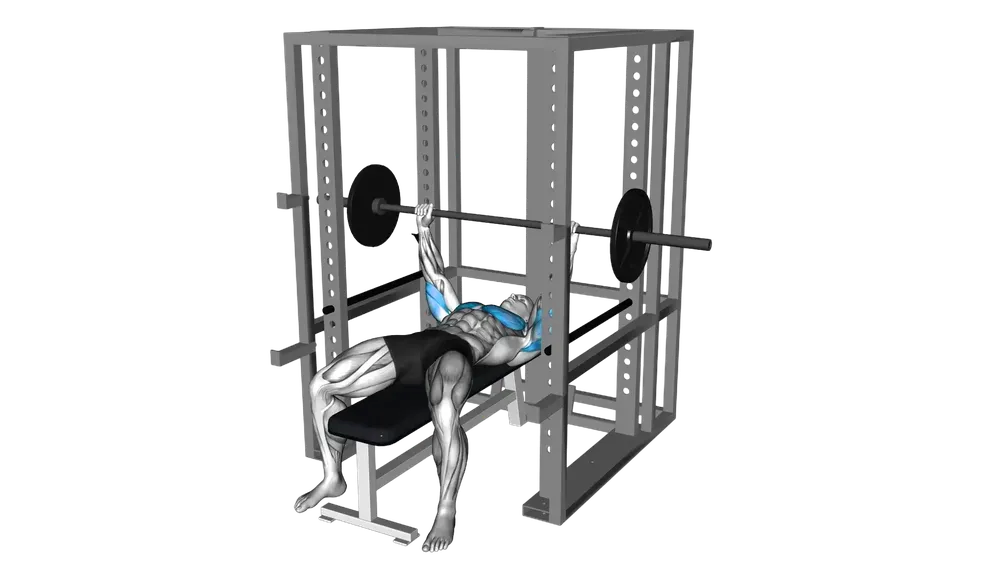
Start every rep fully dead on the pins, no bouncing or pre tension off the metal.
Starting each rep from bar-on-pins means the chest has to produce force from zero, with no stretch, no bounce and no stored elastic help. The triceps assist hard because pin height usually places the start right in the range where benches stall. It is the tool for attacking a specific sticking point, since you can set the pins at the exact height where your press dies.
At or just above your sticking point. Just off the chest builds bottom-end power, mid-range pins target the classic halfway stall, and high pins overload the lockout. Pick the height where your bench actually fails.
Both remove the bounce, but the pin press lets you choose the exact starting height while the floor press is fixed at wherever your triceps touch down. For attacking a specific sticking point, pins win. For a simple dead-stop press, the floor is easier to set up.
Because a normal bench rep borrows energy from the descent, and the pin press starts with none. Pressing a still bar off metal is pure concentric strength, so expect the weights to be humbler and the carryover to be real.