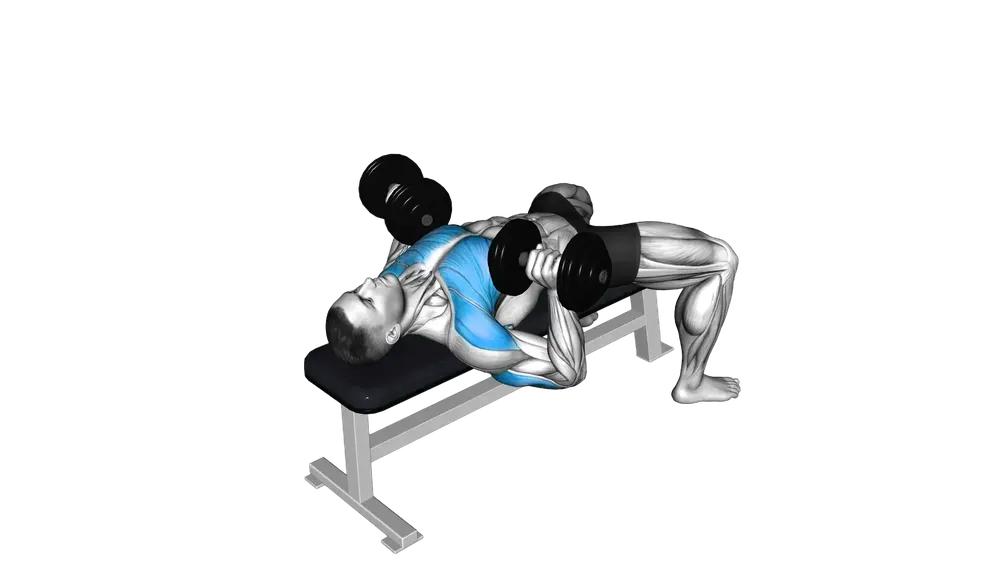
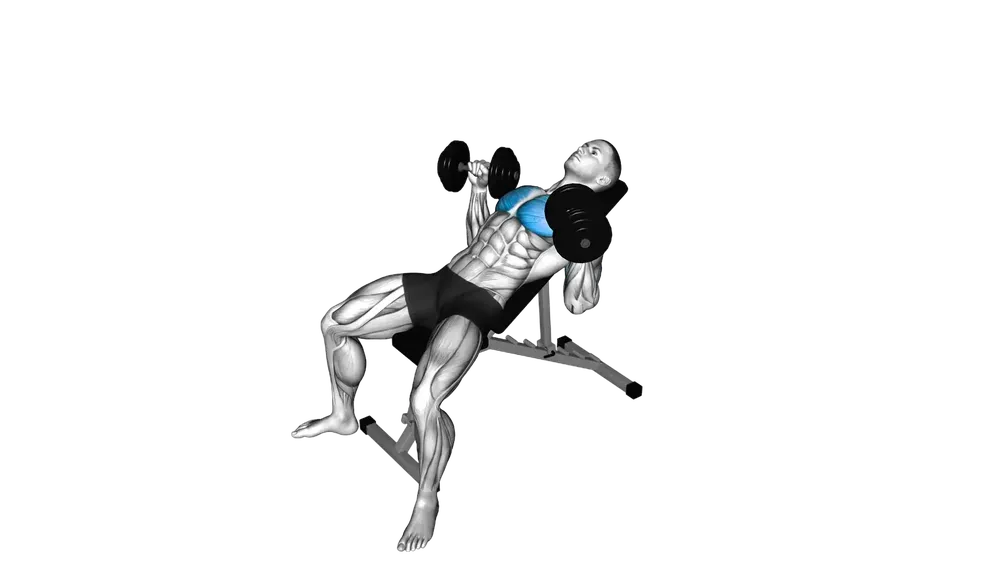
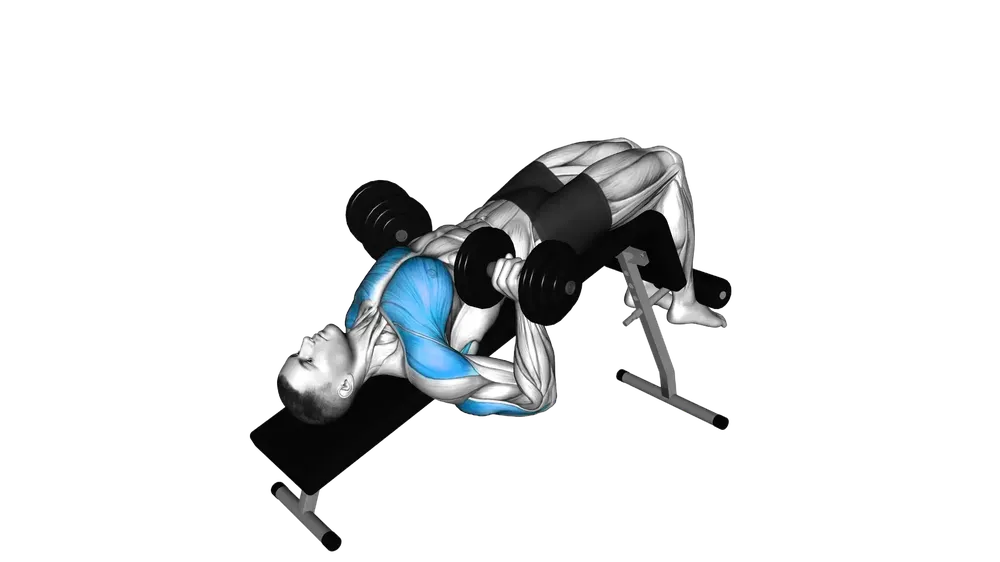
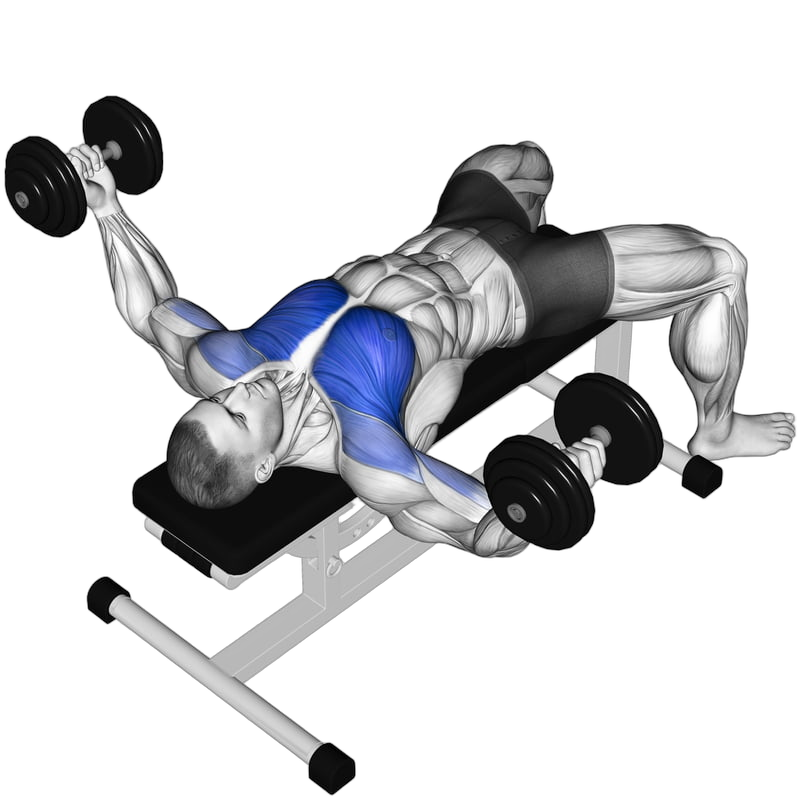
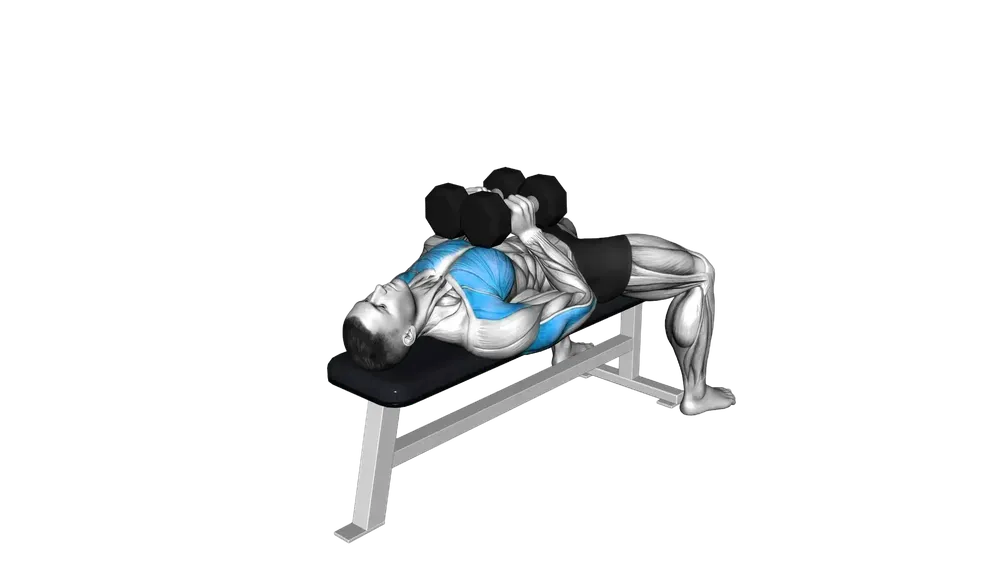
One side rests while the other works your core.
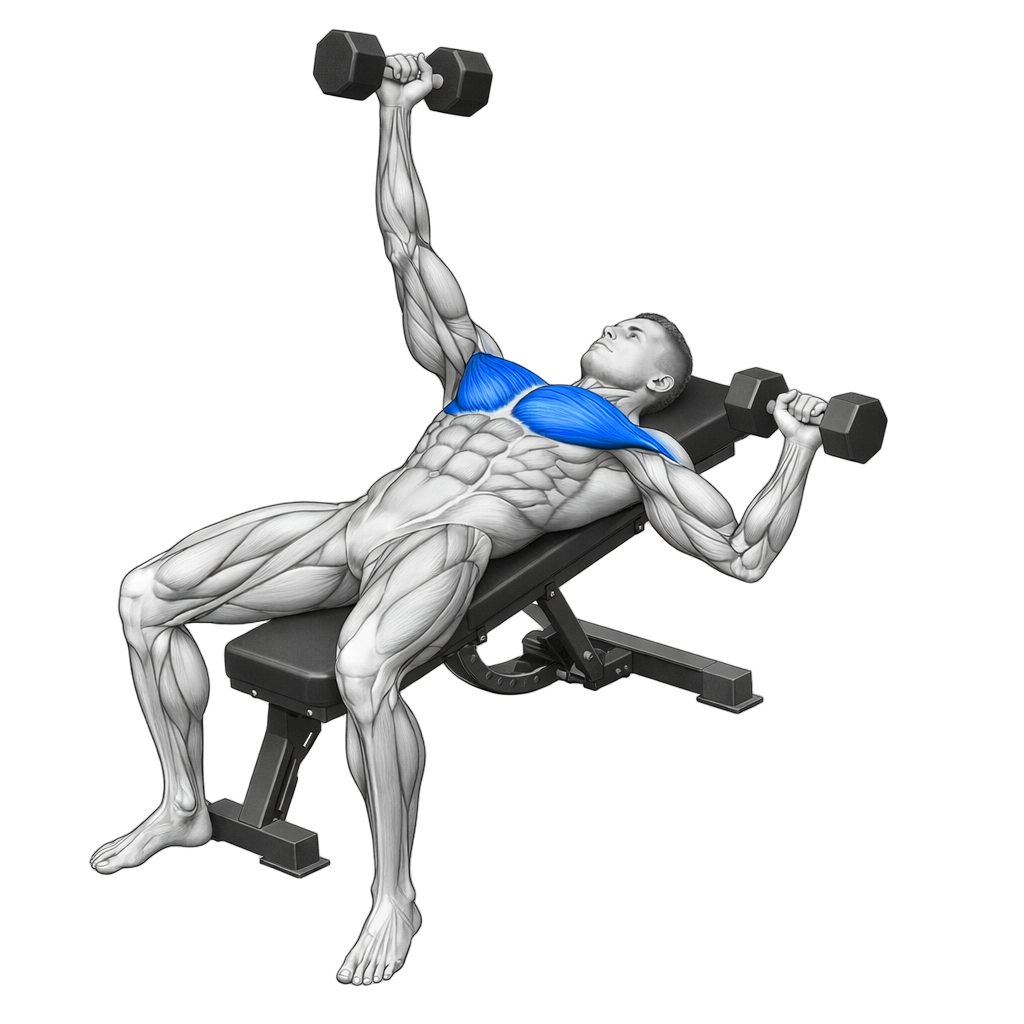
Keep the resting dumbbell pinned to your chest and your hips steady on the bench.
Pressing one dumbbell at a time while the other waits at your chest turns the bench press into a core exercise in disguise, the offset load tries to roll and twist you off the bench, and your trunk must refuse. The chest still does the pressing with the triceps finishing each lockout, but each side works one at a time, so your stronger arm can never bail out the weaker one. It earns its place for fixing left-right pressing gaps and adding stability work without a separate exercise.
Two things, each arm is fully responsible for its own reps, exposing strength imbalances, and the uneven load forces your core and shoulder stabilisers to work overtime keeping you flat on the bench.
At the chest, as the steps describe, that is the harder and more valuable version, because holding a dead weight low while pressing the other side maximises the anti-rotation demand. Keep it pinned and still.
Expect to use noticeably lighter dumbbells, the stability demand and time under tension per side are much higher. Start around two thirds of your usual pressing weight and adjust from there.